
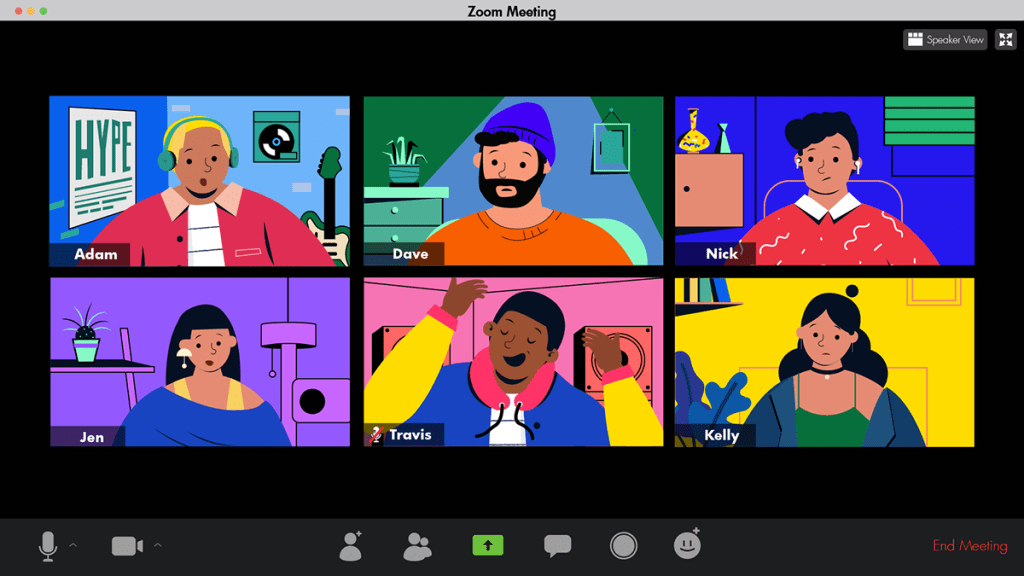
“Please turn on your camera,” “unmute yourself,” “let me in,” “please send the zoom link,” “join the zoom meeting,” “are you free to zoom,” “come on zoom” etc. How many times have we heard these phrases in the past 12 months? Probably more than we can count. Zoom has been a key to businesses, education and more sectors functioning smoothly during the pandemic. Zoom meetings became a regular thing for work, studies, and even talking to your friends. Needless to say, they were extremely successful during the pandemic and it definitely benefited them.
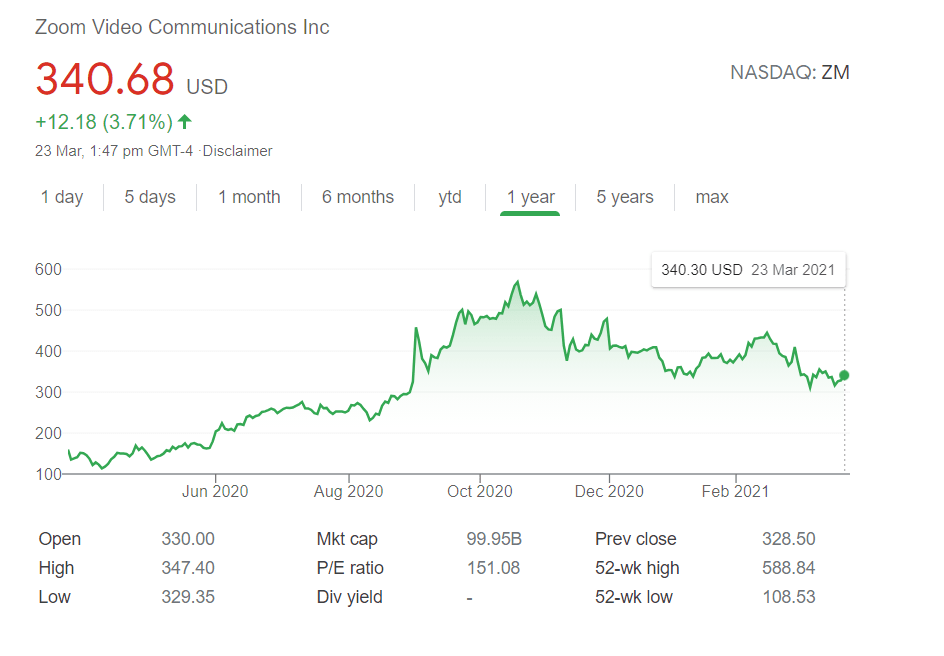
On 23rd march 2020, their shares were value at $159.56. They hit their peak on 19th Oct 2020, when it’s shares were valued at $568.34. And as on 23 March 2021, it’s shares are $340.30. It’s sales quadrupled to $2.7 billion in 2020! In October, it was valued for $170B and it’s stocks were zooming.
But then came recovery. People in every country are getting vaccinated and more companies are working on new COVID-19 vaccines. Employees are returning to their offices and students to school/college. This is all very good for most people and companies, but not for Zoom. Their shares fell 40%, which lead to them thinking of other ways to grow.
Last year, they announced OnZoom which lets people charge for event they host. This works well for fitness classes, music classes, concerts, improv shows, open mics and more.
On Monday, Zoom said they will sell their videoconferencing technology for other companies to embed it in their own websites, apps etc. The Chief Technology Officer Brendan Ittelson said that the calls would still be over zoom but it wouldn’t carry the company’s brand. Those who opt for this arrangement will have to pay Zoom on a per-minute basis, with the fist 10,000 minutes free. This can be used by healthcare workers for online checkups, social media companies etc.
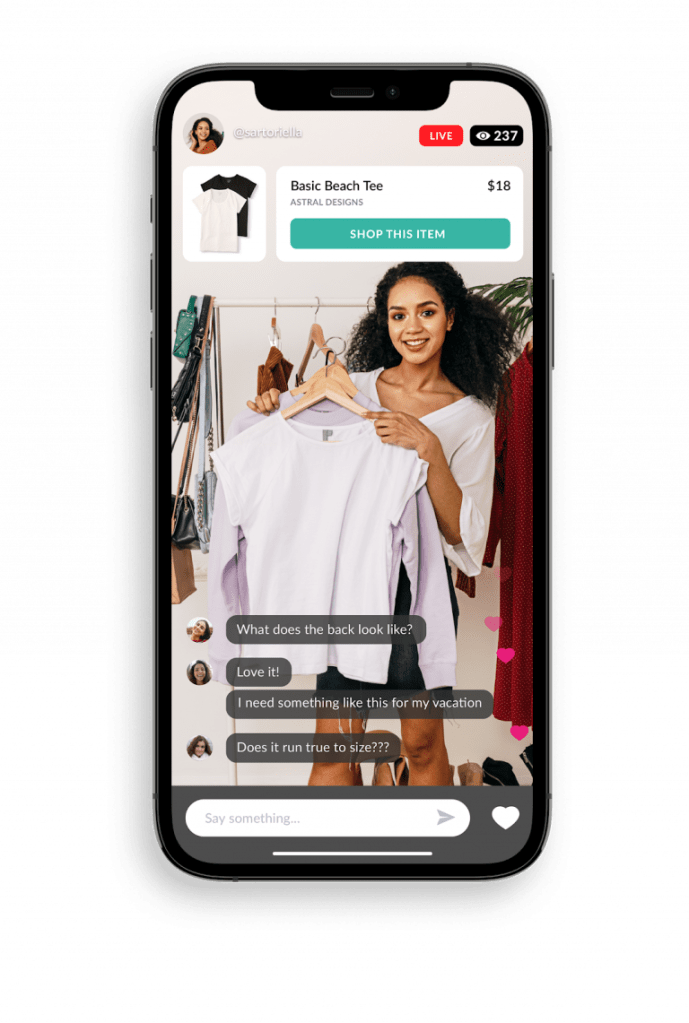
They will offer on-the-go live streaming with interactive chat. It will give developer’s a platform to build desktop gaming apps that offer newer opportunities for audience engagement. This one is for all the shopaholics out there, it can be used to create unique shopping experiences that are tailored to customers and drive revenue.


Now if you look at this venture by zoom from another perspective, it’s white labelling. A white-label product is a product or service produced by one company that other companies rebrand to make it appear as if they had made it.

A is a white label supplier, who has an unbranded product or service that can be used by anyone and branded as their own. A sells their product/service to B, the reseller. B then uses the product/ service and stamps branding on it and sells it as their own to the consumer, C. For C, the product/ service belongs to B but it actually belongs to A. A doesn’t get recognition for whatever it offers. However, it receives money from B as B has to subscribe to keep using the services offered by A.
An example of this is Shopify, a Canadian multinational e-commerce company. Shopify allows businesses to set up their own online stores. They provide you with necessary tools to set up an e-commerce website and let you brand it as your own. So anyone interacting with the site will think it belongs to the brand.
Zoom is going for something like this by integrating video calls in websites without mentioning it’s powered by Zoom. This might just be what Zoom needs in a pandemic recovering world.




 The Echo-nomist
Leave a comment