

Product placement is a sneaky little marketing technique that businesses use to advertise their products through film and other media. From all the cars in the Fast and Furious series to the search engine that The Vampire Diaries characters used to hunt down villains (Seriously, who still used Bing in 2010?), every branded product you see on your television screens is a calculated marketing decision.
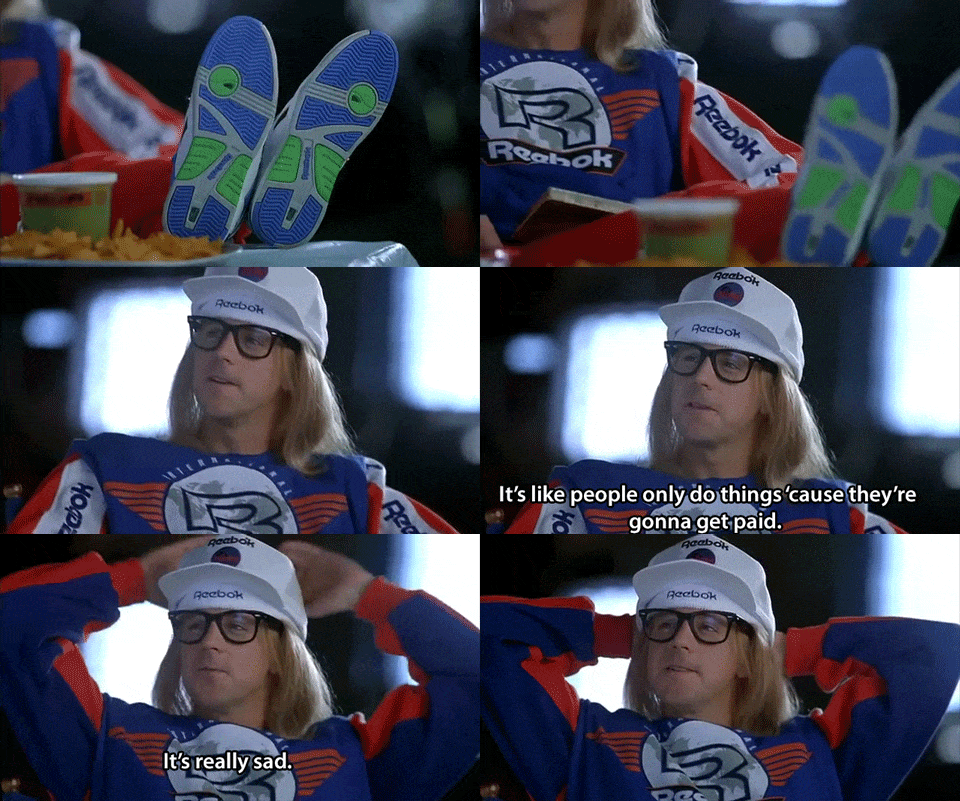
Let’s take a look at the type of mutually beneficial deals businesses make with film studios to grace the silver screen with overbearing brand appearances.
Money Talks
Brands often pay a fortune to appear on the silver screen. Several instances of this can be noted as follows.
- More than 100 brands (including Gillette, Nokia, and Carl’s Junior) offered a combined $160m to be featured in Man of Steel (2013), a movie that had a budget of around $225-258 million.
- Harley-Davidson paid $10m to get its electric motorcycle featured in Marvel’s Avengers: Age Of Ultron (2015).
- Heineken paid an estimated $45m for 7 seconds of screen time in the James Bond film Skyfall (2012).
In addition to just screen time, these big money deals often include verbal cues that have to be inserted into the movie scripts.

Props for Promotion
Surprisingly, most product placement deals don’t involve cash payments. Oftentimes producers agree to promote brands in exchange for props. Brands are more than happy to loan props at no cost in exchange for some exposure. The greatest example of such deals is the Fast and Furious franchise.
Over the course of production (first 7 movies only), the franchise wrecked a total of 1,487 cars, amounting to a modest estimate of $30m in prop costs. Of course, these costs are easier to stomach when brands are offering up their cars to be slaughtered for free.

Co-promotional advertising
Netflix has often stated that it does not accept payments from brands to display their products in their content, clearly trying to hold onto their no-ad reputation. However, anyone with a Netflix subscription and well, eyes can tell you that Netflix originals are no stranger to over-the-top product placement deals.

Now, Netflix may not be receiving payments for its product placements, but that does not mean all the brand appearances are purely altruistic. Netflix often enters into co-promotional marketing deals with brands. This means that the two companies trade promotions. So as Stranger Things slyly advertises Burger King,…
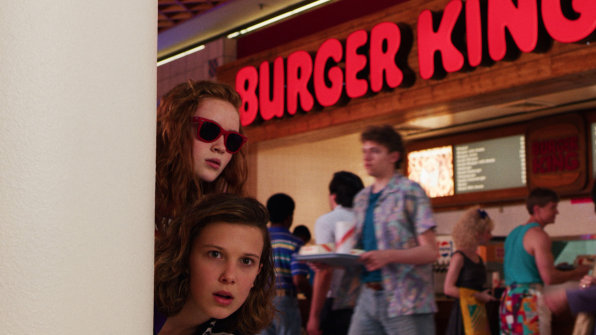
… Burger King, in turn, promotes the show.

Clearly, both parties got a pretty neat deal. Burger King now has cultural significance among the millions of people who watch Stranger Things, and the show was able to gain a larger audience by advertising to a wide fast-food consuming demographic.
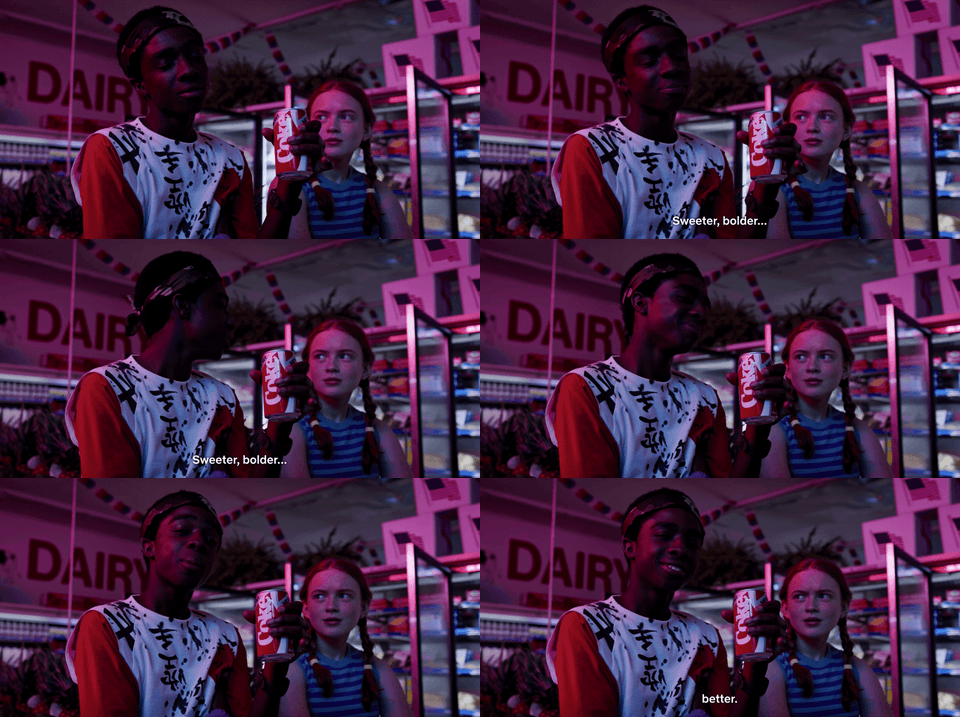
Now, I don’t want to be the one to call Stranger Things’ Season 3 a long drawn out commercial, but with Lucas delivering entire monologues about Coca-Cola flavors, can you really blame me?
While some people think product placement is just a harmless marketing technique that allows studios to save a little money, some are quick to judge studios for “selling out” and label their films as “cash cows”. For now, brand integration in media remains a hot topic for media critics and marketers alike.




 The Echo-nomist
Leave a comment