

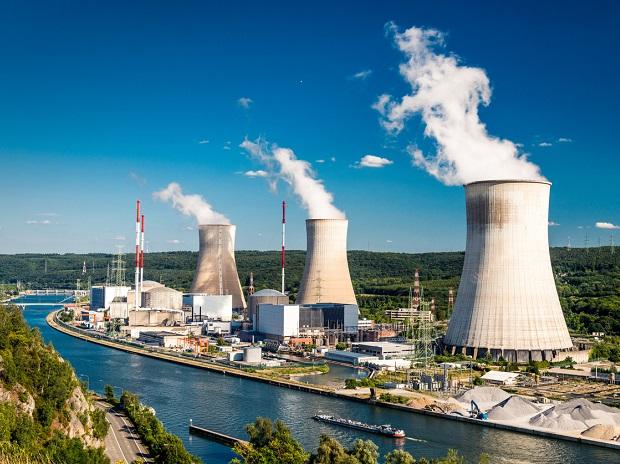
It’s no secret that fossil fuels are not a friend to the environment. Greenhouse emissions, smog, pollution, big floofy clouds of smoke escaping industrial chimneys are well known consequences of fossil fuel consumption. And yet, more than 80% of global energy needs are met from coal, oil and gas.
Alas, such is the way of the world. Sadly, questioning the status quo can be hard. You’re immediately shut down by a string of big brain words like, “cost effectiveness”, “transmission infrastructure” and god forbid, the eternally vague “feasibility”.

Most of us, including myself until fairly recently, have been under the impression that renewable energy isn’t widespread because it’s too expensive. But here’s what’s interesting. Solar energy got cheap. Like really cheap.
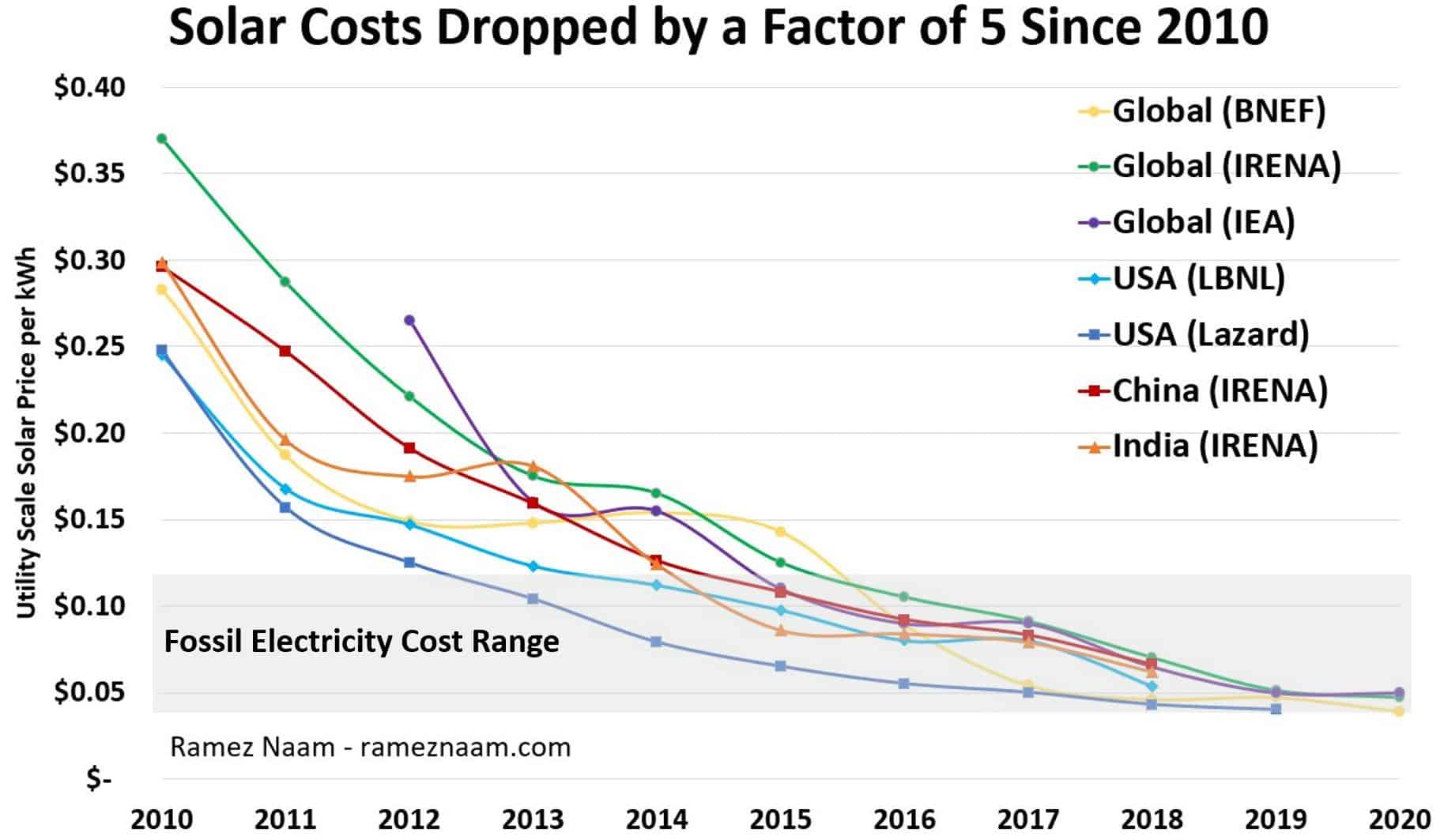
When it comes to the cost of energy from new power plants, renewable sources such as onshore wind and solar have now become the cheapest options—costing less than gas, geothermal, coal, or nuclear. Solar power, specifically, has cheapened at an alarming rate.
Upon its inception in the 1950s, solar energy was almost exclusively used for space technology because it was extremely expensive – one watt of solar capacity cost $1,825. However, this initial demand set off a “virtuous cycle”. As more panels were produced for satellites, their prices declined, which led to the usage of solar energy for more niche purposes.

Improvements in the technology and the rise of economies of scale further reduced costs. Soon, solar energy became a viable and accessible general purpose energy source. In fact, just within the past decade, the price of solar energy alone has fallen by 89%.
Now, this begs the question: What’s standing between us and a solar powered utopia?
Intermittency
One of the downsides of solar energy is the intermittent supply cycle. The sun doesn’t always shine, so supplying power during night time and cloudy days is a huge challenge. Especially since electricity demand peaks in the evening. This means that if solar energy is going to be a serious part of the power system, it needs to be accompanied by another form of electricity generation or storage that can seamlessly fill the power gap when solar cells stop producing electricity. Luckily, advancements in batteries and other energy storing technologies are in the works, which means the challenge of intermittency is not insurmountable.

Geography
If solar energy is derived from sunlight, what is the most optimum location to generate large amounts of electricity? The desert, of course! The only problem is that not many people live in the desert, so while it might be a great place to produce solar energy, the demand there is not too high. And most countries don’t have the infrastructure to distribute power from renewables over long distances. Better transmission systems can be built but that will require massive investments to develop and build the needed infrastructure.
Lock-in Effect
Solar energy may be a cheaper alternative when considering new plants, but that doesn’t apply to running an existing fossil fuel plant. The cost of producing one more unit of electricity from existing infrastructure is cheaper than building new infrastructure. So given that we’ve already paid the upfront cost of fossil fuel infrastructure, from a strictly economic perspective, it does not make sense to facilitate a rapid phase out of fossil fuel plants prior to the end of their life cycle. For now, the investments, policies, and very infrastructure of the energy industry are heavily leaning in favor of fossil fuels.
Despite the low costs and aesthetic appeal, solar technology has a long way to go before it can start replacing fossil fueled plants to meet our energy needs. However, with countless technological advancements on the horizon, the only thing standing in our way seems to be money. But is the money we save by delaying the implementation of renewable energy worth losing our planet?




 The Echo-nomist
Leave a comment