

#5- Women Entrepreneur series
Kiran Mazumdar Shaw, the executive chairperson and founder of Biocon had every reason to quit and be afraid. But despite the treatment and discrimination she faced as a woman, she pursued her dream. She is now the second richest self-made woman in India.
Her childhood in a progressive, middle-class family encouraged her to do something big and accomplish something academically. After a B.S in Zoology and an M.S in brewing, she thought she would have at least a few job offers. But no one hired her because they believed the job was too rough for a woman. Feminism wasn’t really a thing back in 1974.
A few years later, Leslie Auchincloss approached her. Back then, he was the owner of Biocon Biochemicals in Ireland. They manufactured enzymes for commercial use for use in textile industries, food-packaging, and brewing. She worked as a trainee manager there for a few months. At the time, Leslie was trying to break into the Indian market. But India hadn’t implemented its LPG (liberalization, privatization and globalization) model, so it was a closed market. They needed an Indian entrepreneur to set it up and foreign ownership was to be limited to 30%.

He saw that Kiran Mazumdar had the potential and chose her to start Biocon India.
She started Biocon India with just $10,000 and a plan to produce enzymes for beer, wine, paper, animal feed and detergents. After talking to multiple landlords, she finally found a garage in Bangalore in 1978. The landlord’s thought she wouldn’t be able to pay the rent consistently. She had trouble finding someone to work for her. Who would work for a woman in the 1970s?
Her female friend filled in as a secretary and the only employee. Banks refused to grant loans to a woman. Eventually, she got the money from a banker she met at her friend’s wedding.
Initially, one of the toughest challenges she faced was procuring orders from raw-material vendors. They insisted that she bring in a male manager if she wanted their merchandise.
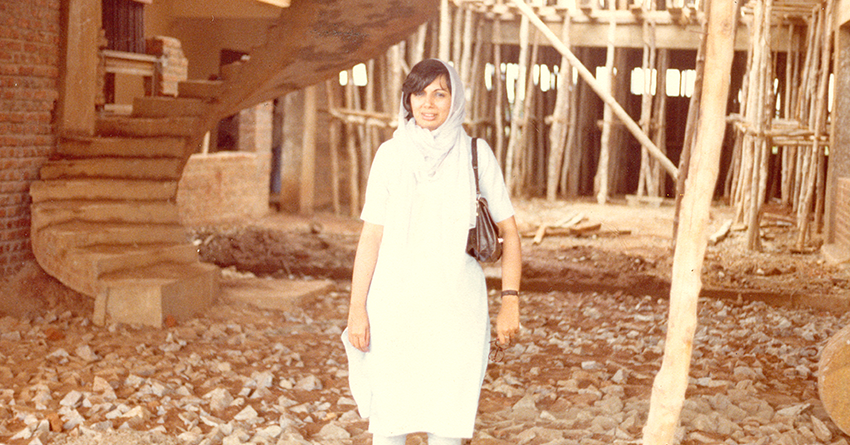
No one was very confident in the business because biotechnology was a new field in India, and her business model was quite untested. She also faced a lot of credibility challenges being a woman entrepreneur.
India was a country with poor infrastructure. Even good quality water, uninterrupted power, lab equipment and advanced scientific skills weren’t easily available. Finding a workplace wasn’t easy either. Convincing people to join her organization proved to be challenging. In fact, her first employee at Biocon was a retired garage mechanic.
Overcoming all of these hurdles and more is what makes her a successful entrepreneur. There were enough opportunities for her to quit and not enough to continue. And yet, she was determined to overcome these barriers.
Biocon India was able to produce industrial enzymes and even export them to Europe and the U.S. It only took her one year to do so. They were the first Indian company to export manufactured enzymes to Europe and the U.S.
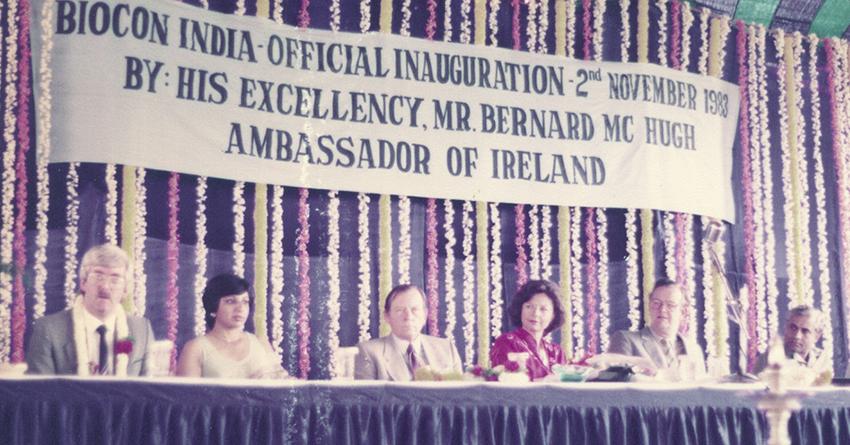
It only took her a few years to make it a profitable company. By the late 1980’s, the business was making profits of $1 million. Auchincloss decided to sell his 30% share to Unilever, but Kiran kept her 70%. But this did not mean she was free of the British rule. She has talked about how she has had to apprise the British rulers before taking certain actions, and meet with their managers before making a move.
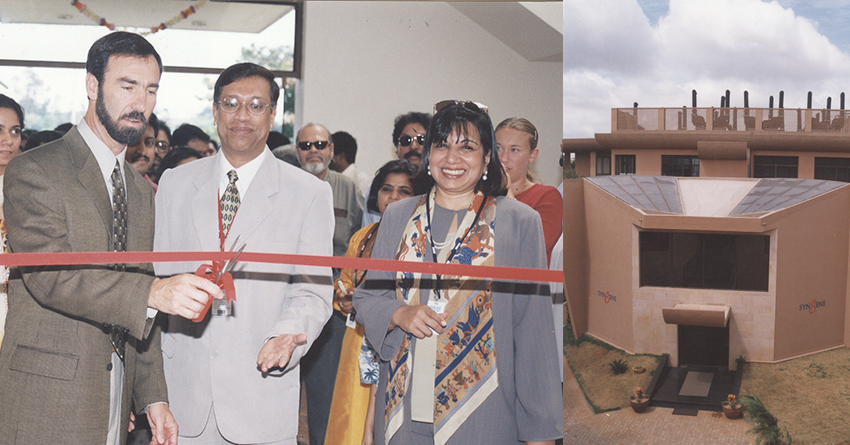
Kiran always figured everything out. She reclaimed some of her authority by founding Syngene, a drug services research outfit which provided early stage development for drug companies. Since it was a separate company, she didn’t have to report to anyone.
Unilever tried to buy Kiran’s stake in the company after India relaxed foreign ownership rules, but failed. In 1997, Unilever sold their chemical division, including Biocon, to Imperial Chemical Industries (ICI). Turns out ICI was least interested in drug research and offered to let their share of Biocon go for $2 million, on the condition that they were supplied with enzymes for 2 years. Somehow, Mazumdar collected the money and bought Biocon back.
It was finally all hers.
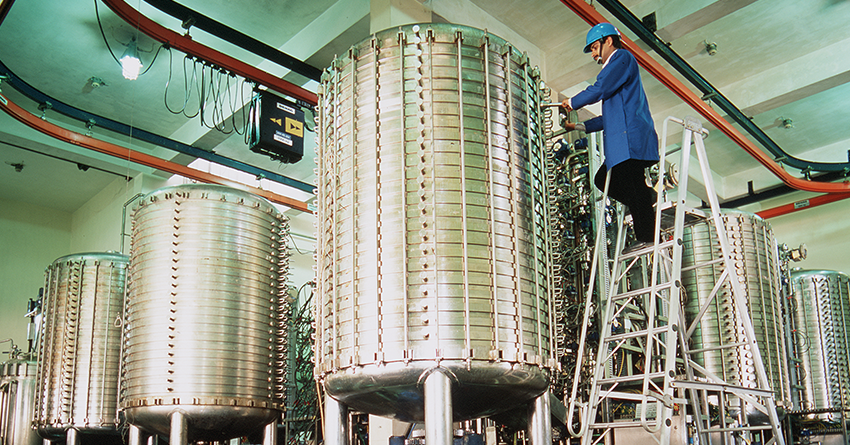
She ventured far beyond the shores, into insulin production. They were reversing the steps of Novo (a Danish insulin firm) and their prior expertise in fermentation definitely helped. 32 million diabetic people were patiently waiting and cheering her on. This would also give her the ticket to branch into other drugs.
But this new branch needed funding. Thankfully, it was easier to procure this time because Mazumdar had enough name recognition. Biocon got permission from Indian regulators to sell the generic in India. And this was only the beginning. Biocon became the first Indian company to get FDA approval to sell lovastatin in the U.S.
She took the company public in 2004. Their IPO was oversubscribed 33 times!
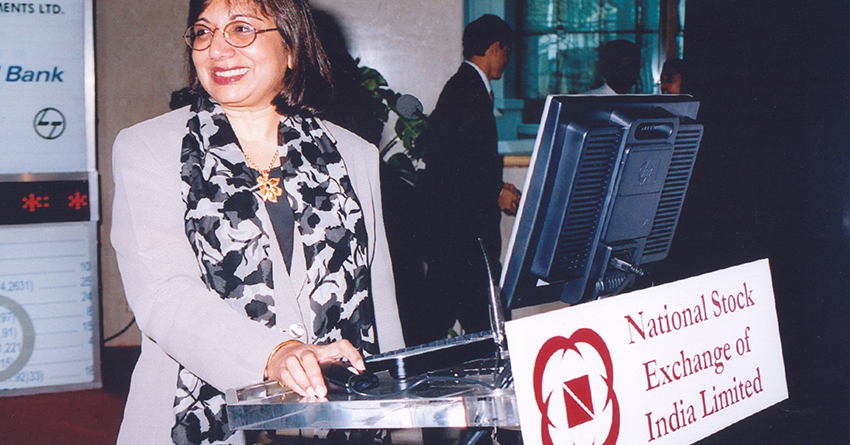
Since then, Biocon has expanded its operations to many countries. It’s now India’s largest biotech company and Asia’s largest producer of insulin. Her aim at Biocon is innovation and affordability. Kiran wants to use the low cost of manufacturing drugs in India to keep the retail price low and make it affordable.
Biocon has also successfully repurposed Itolizumab, an anti-inflammatory drug that can be used to treat Covid. They have collaborated with the US biotech company, Equillium, to conduct phase-III trials of the drug in coronavirus patients.
Mazumdar never let gender biases come in her way of becoming a successful entrepreneur. She overcame every hindrance and is an icon for the business of science in India, women and entrepreneurs.



 The Echo-nomist
Leave a comment