

Here’s a vision. It’s the year 2027. You are an MBA student pursuing a major in marketing. You wake up early in the morning to read an assigned case study before class… and you’re met with pages and pages of screenshots from a twitter war between Wendy’s and McDonalds. I really am lovin’ it.
The late 2010s witnessed the advent of a very interesting phenomenon, namely Fast Food Twitter, when corporate chains began turning their social media strategies upside down. Abandoning their previously dull yet civil presence on social media, fast food chains began relying on the power of memes, relatability and internet slang to promote their brands.
Let’s trace this crazy trend back to its origin. You might recognize Wendy’s as the king, or shall I say queen, of Fast Food Social media, but it all actually started with Denny’s on Tumblr. The blog was created back in 2013 and it did a pretty good job of replicating the popular surrealist humour of Tumblr teens at the time.
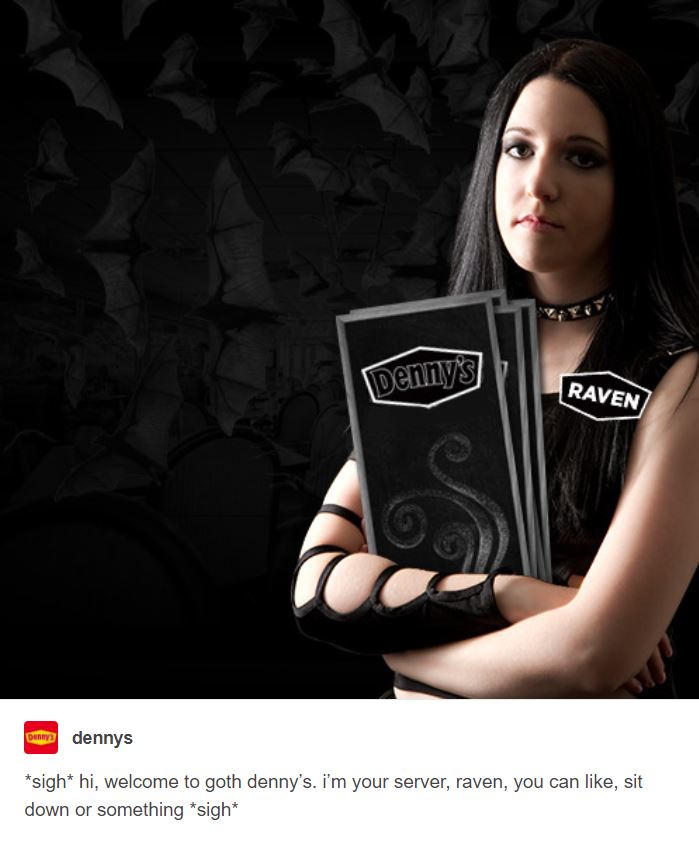
Quickly assimilating with the Tumblr community as a whole, Denny’s became the first fast food brand to establish a social media presence that went beyond generic promotional posts.
Soon the phenomenon spread to other social media platforms. Brands started to move away from generic informational promotions and started to dabble in newer content. From memes and pop-culture references to interacting with other users and competing brands, everything became fair game.
As expected, these social media accounts soared in popularity. The absurdity of fast food chains posting about existential dread or using stan twitter jargon was enough for their followings to multiply over the span of a few years.
It’s interesting how this type of marketing actually appeals to consumers. Advertisements, billboards, pamphlets, commercials are all promotional techniques, but no one particularly enjoys them. Most promotional content is an annoying nuisance to the average person and yet, twitter users willingly follow fast food twitter accounts.
So, the real question is – why does this type of marketing work?
Most popular fast food chains are several decades old, making these corporations almost historic. There’s something undeniably surreal about watching megacorporation’s pick petty fights with each other over twitter.
(I guess you could say Wendy’s and McDonalds have beef!)
The companies have feelings, thoughts and even personalities. Wendy’s is known for its snappy comebacks, Burger King is known for making jokes about existential dread, McDonalds is known for being political and “woke”. It’s almost as if the company is a real person.
These social media personalities not only build an emotional connection between companies and consumers, but also make the chains far more memorable. So, the next time you’re deciding whether to order food from Burger King or McDonalds, your choice might be influenced by which of the two companies has the funnier twitter admin.
On top of this, these companies are afforded free publicity every time any of their “meme-worthy” tweets go viral, quickly transforming these corporate twitter accounts into an internet phenomenon.
This type of social media marketing is particularly appealing to Millennial’s and Gen Zers. As our perceptions of advertising on social media have evolved, brands have realised that younger consumers want authenticity from the brands they engage with. For most chains, this means dropping the façade of professionalism and interacting with consumers in a more relatable manner.
This is the new age of marketing in the fast food industry. Free toys are a thing of the past, fast food chains are now armed with meme references and sassy twitter admins.




 The Echo-nomist
Leave a comment