

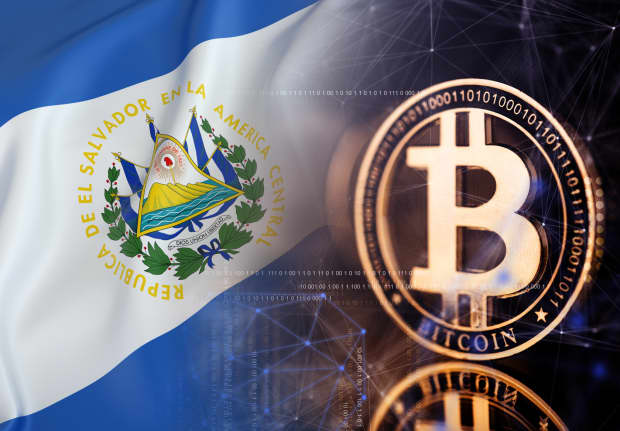
El Salvador is bidding goodbye to the US Dollar and welcoming Bitcoin as its legal tender. In a historical move, they have become the first country in the world to formally adopt a cryptocurrency as legal tender.
The law has been approved by a supermajority in the Salvadoran Congress as it secured 62 out of 84 votes.
Legal tender money basically means the money which can be legally used to make payments of debt or other obligations. The creditor is obliged by law to accept such money, if payment of debt is due to him.
So if you go grocery shopping in El Salvador and you pay the cashier using Bitcoin, he can’t deny your payment. El Salvador interpreted the term cashless economy quite literally.
It’s definitely a bold move. Social media users had mixed reactions to this announcement. It has been applauded and welcomed by cryptocurrency entrepreneurs and advocates as they also promised to create a tax haven for them. But many criticized this decision as well.
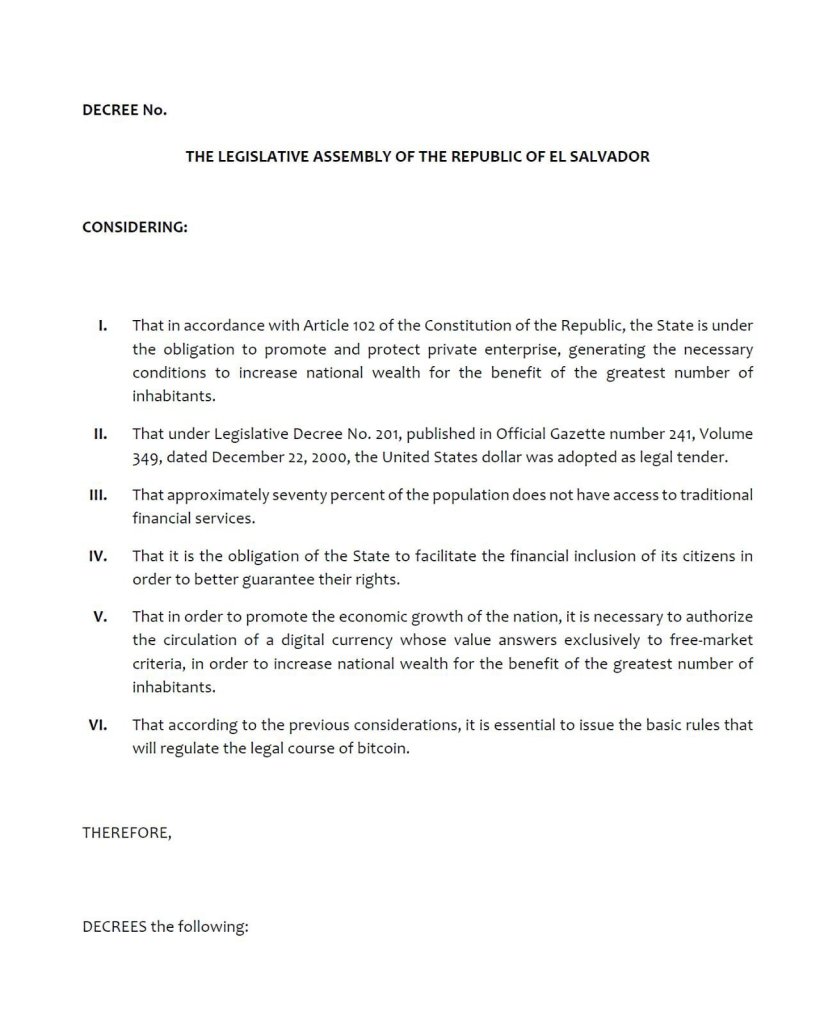
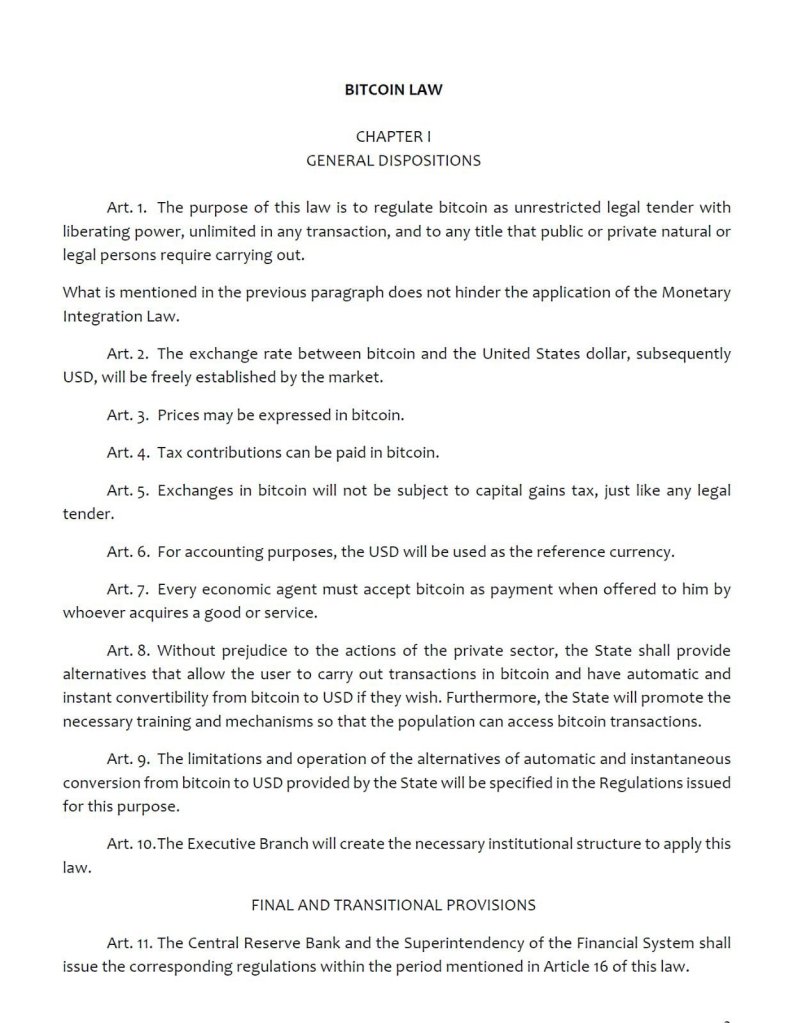
The official document describing the law 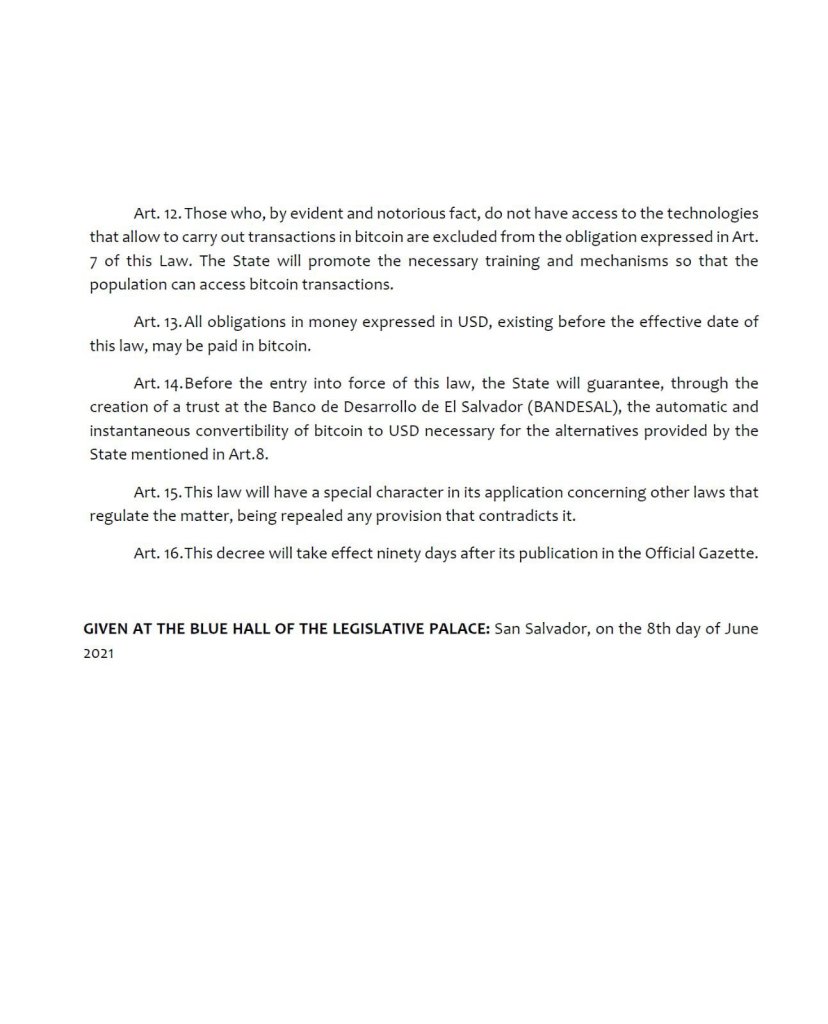
Analysts had a more careful, critical evaluation of this decision because of crypto’s volatility.
According to the law, “in order to promote the economic growth of the nation, it is necessary to authorise the circulation of a digital currency whose value answers exclusively to free-market criteria, in order to increase national wealth for the benefit of the greatest number of inhabitants.”
Further, bitcoin can be used for purchases or tax payments, and bitcoin exchanges will not be subject to capital tax gains.
El Salvador made the US Dollar its legal tender in 2000, and now it wants to end its reliance on the dollar. This is a step in that direction as bitcoin will join the dollar, not replace it. But it’s more confusing than you would imagine and has a lot of factors in play.
What does El Salvador wish to achieve by this, other than reducing its reliance on the dollar? According to the president, Nayib Bukele, it will bring financial inclusion, investment, tourism, innovation and economic development for the country.
What are the implications?
The long term impacts are really tough to forecast since they’re the first country to make a cryptocurrency as their legal tender. But there are other drawbacks which can they can expect. Let’s discuss some of these.
Firstly, they have a monetary downside as bitcoin derives its value primarily by speculative interest. It is not backed by any physical commodity or precious metal and relies on the dollar. Other than this, the transaction fees can prove to be quite expenses for small purchases and to fulfill day to day requirements. The average transaction fees in USD per transaction recently went up to $62.79, but it’s usually $4-$11. So if you’re going to pay for a $4 Starbucks coffee using Bitcoin, you’re going to have to pay $4 or more as transaction fees, making the price double! When you’re buying a flat, the transaction fees isn’t expensive. Bitcoin is, therefore, more viable for lump sums.
Secondly, the prices of bitcoin fluctuate, a lot. It’s very sensitive and its price constantly changes. It falls and rises because of Elon Musk’s tweets and statements, rumours of clampdowns on crypto, news and market related events etc. We talked about how the prices of crypto fell after some of the ransom bitcoin’s for colonial pipeline were recovered. All in all, it is far from stable and could cause problems for El Salvador’s economy.
Thirdly, rumours keep emerging about government regulations related to crypto. Cryptocurrencies are still comparatively new and governments aren’t sure whether to embrace it or curb it. A lot of times, there’s talk on the street that the government will clampdown on cryptocurrencies or create regulatory policies. In case a powerful country releases strict regulatory guidelines against crypto, it could hurt its public image.
Moreover, approx. 50% of the Salvadorians don’t have access to proper internet. This can pose a problem in access to the new legal tender. They are in talks with the IMF to seek a program of more than $1 billion. This shift to cryptocurrency could complicate talks for them.
Obviously, this has its set of benefits as well.
Salvadorians are highly reliant on remittances (a sum of money sent in payment or as a gift). According to the World Bank, personal remittances received make up 20% of the country’s GDP. Bitcoin could make this process cheaper, according to the chief executive of Uphold, Juan Pablo Thieriot.
Around 70% of El Salvador does not have access to traditional financial services. The incorporation of Bitcoin is seen as a way to increase financial inclusion.
They will start the use of bitcoin as legal tender in 90 days. No one really knows what to expect of it since it’s a first for crypto. It’s going to be interesting to see how this affects the economy of the country and its impact on prices of bitcoin. If it turns out to be successful, other countries will follow suit.
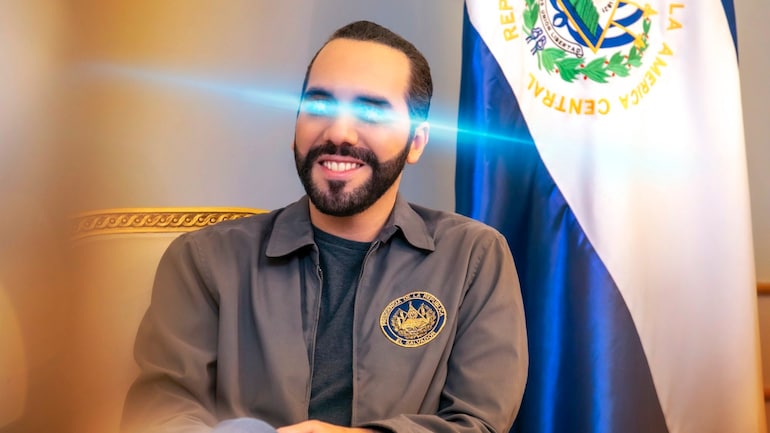
Meanwhile… Bukele changed his profile picture on Twitter to an image of himself with “laser eyes,” a symbol among Bitcoin proponents who are laser focused on the value of the currency reaching a hundred thousand dollars per unit.



 The Echo-nomist
Leave a comment