
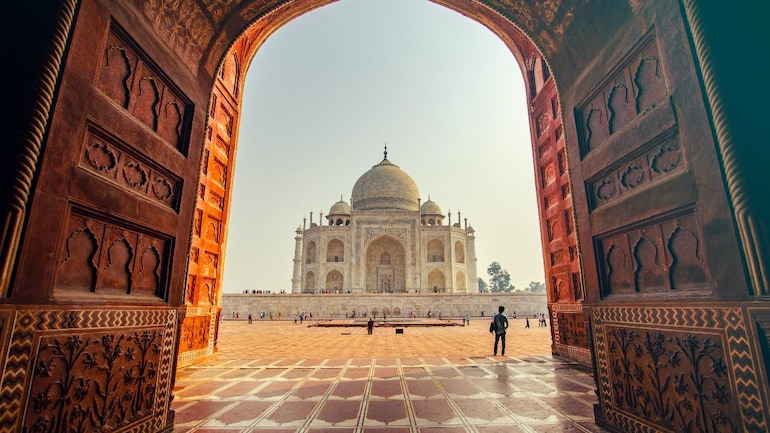
Complaining about India’s lack of buzzing tourism in the middle of a pandemic seems bizarre, I’m aware. It’s not our greatest concern at the moment. But it is interesting to note that even in the absence of COVID-19, India’s tourism sector has always been short of impressive.
From 17000 tourists in 1951 to over 10 million by 2017, the Indian travel and tourism industry has seen tremendous growth. It contributes to nearly 10% of India’s national income and provides tens of millions of jobs in the country. Yet, when it comes to tourism, India, despite being a country known for its diverse cultures, rich heritage, and its unique ability to change lives in Hollywood movies, has always been relatively far behind several other small countries like Singapore and Hong Kong.
A few challenges that hinder the growth of this industry are as follows:
- Infrastructure
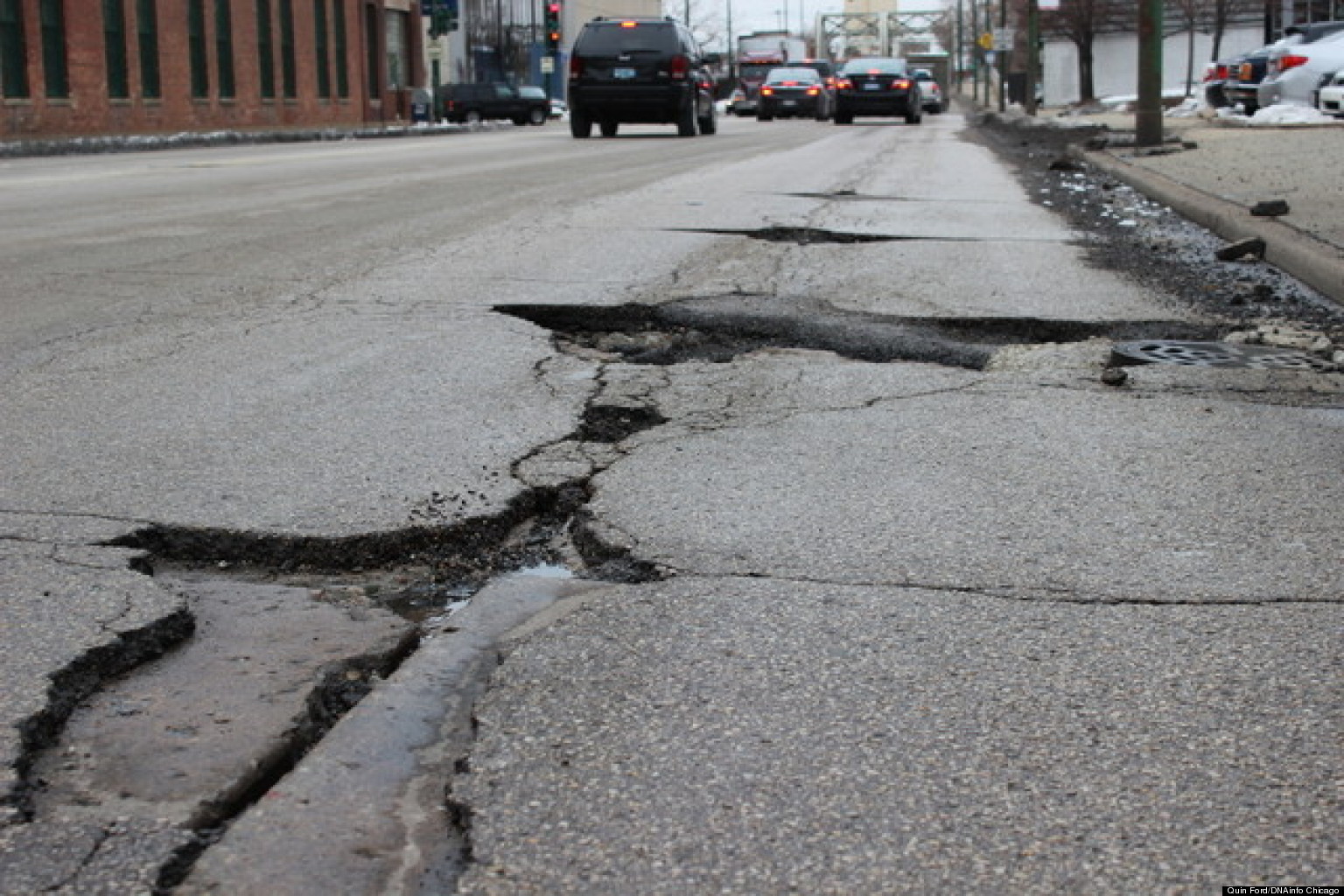
The tourism industry is heavily weighed down by infrastructure problems, including inadequate roads, water, sewage, hotels, and telecommunications. The air pollution in major cities and lack of proper sanitation are added complications. “Let’s build better infrastructure” might be a vague recommendation for this issue, but for tourism specifically, it is critical to build good roads and approach points to certain tourist spots to increase convenience for visitors.
- Safety and Security
India doesn’t exactly have the best reputation when it comes to safety, particularly when it concerns women. Increasing rates of sexual abuse, theft, credit card fraud, identity theft, terrorism, and public violence have significantly hampered India’s tourism.
- Promotion and Marketing
Promotion and Marketing are key factors to driving tourism in any country. However, despite the countless scenic and historic locations in India, there hasn’t been sufficient investment of money and resources into promoting these brilliant tourist destinations. From adventure tourism to wellness tourism, the scope for marketing in the industry is vast and it needs to be properly exploited.

- Visa rules
Visa rules in India are constantly shifting and this is often a cause of frustration for tourists and tour operators alike. Many have called for India to start offering visas on arrival, like other nations competing for tourist dollars.
- Accessibility
A spectacular number of beautiful and fascinating locations in India aren’t exactly hotspots for tourism due to lack of accessibility. Poor connectivity with cities, high cost of transportation, and lack of developed infrastructure in remote areas make these locations inaccessible to the general public. Furthermore, numerous places are not suited for tourists that are elderly or disabled.

- Neglected Heritage sites
A unique feature of tourism in India is its architecture and wealth of historic monuments and buildings. Sadly, very few resources are invested in preserving these historic structures and a large number of them are sitting in squalid environments. An effective solution might be to outsource the maintenance of these sites to businesses in exchange for branding opportunities at the location. Some think this is outright commercialization, but it can be argued that this outcome is better than abandoning these locations to decay.

At the moment, I wouldn’t consider India’s travel and tourism industry of critical importance. However, given its contributions to our national income and the service sector, it will always be an industry that is economically vital. Perhaps a COVID-free future will witness further growth in this industry. A girl can dream.




 The Echo-nomist
Leave a comment