

Lately, the news has been full of headlines relating to inflation and its influence on economic recovery. What is all that about? What’s the hype?
First, what is inflation? Inflation is basically the rate at which prices increase in an economy over a period of time. So even a tiny inflation means prices are rising! Some level of inflation is desired for the economy to grow, but it should be moderated as excessive inflation or deflation can have adverse effects.
When Covid induced lockdowns threatened to lead the world into recession, Central Banks world over increased liquidity and interest rates were slashed drastically. This resulted in higher disposable incomes in developed economies powered by lockdown forced savings and generous unemployment benefits.
In the last few weeks, stock markets have been choppy due to steadily increasing inflation numbers. Finally Fed has also started admitting that “temporary inflation surge may be longer than thought”

Inflation is in the picture because 1) Covid related lockdowns have impacted inflation and 2) How it is affecting fragile economic recovery in a pandemic affected world.
Inflation + The Pandemic Factor
How are the current inflation rates tied to the coronavirus pandemic?
Firstly, the suppressed demand during the lockdown period led to accumulation of savings in many households. Those who were unemployed, received stellar unemployment benefits in the developed countries. And those who remained employed did not have the freedom to spend too much of their money (due to restrictions). This resulted in revenge spending when the world started opening up, thus increasing prices.
Secondly, significant and widespread supply chain disruptions led to shortages hence increased prices – but these are likely to be transitory. Take, for example, the shortage of toilet paper in the western world when rumours of lockdown first emerged. People rushed to buy toilet paper in bulk causing turmoil in supermarkets. There was a 40% increase in demand for household toilet paper. Now this is a commodity which has a relatively stable demand throughout the year. Retailers generally keep only 2-3 weeks of sales in inventory and manufacturers operate their plants at 92% capacity. Stay-at-home orders had people worried that they would run short of toilet paper (that would’ve been a real problem) so they hoarded. This led to an increase in prices.
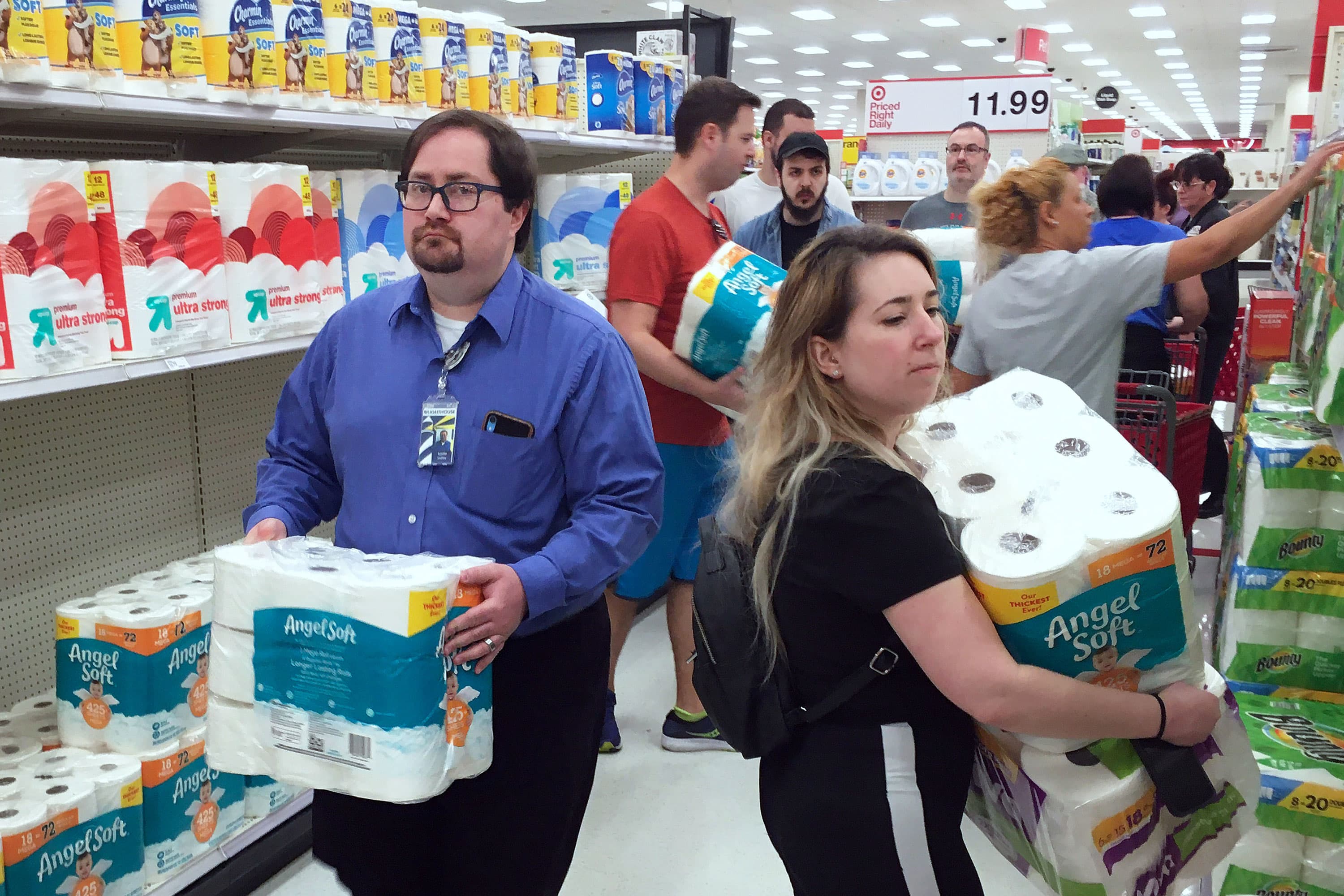
Building a new factory to meet this demand didn’t seem like a viable option since it would cost billions of dollars and take months before a single roll was produced. Instead, they just ramped up their plants to 100% capacity, reduced machine downtime and increased working hours. Some manufacturers even made larger rolls and others worked on improving distribution to local stores. And soon enough the problem was solved, as shelves started stacking up with toilet paper again.
A little increase in production from the manufacturers side and reduction in demand contributed to enough paper rolls. There are more examples like this which show price rise due to disruption in the distribution chain, suggesting the inflation caused by this is transitory. Some of these supply issues may take longer to iron out (like semiconductor chips- read more here and here) leading to ‘persistent’ transient price rise.
The third reason is low interest rates. The interest rates on borrowings are even near zero now. The Effective Federal Funds Rate (EFFR) in America was 0.06% as of May, 2021. They have been low since the start of the pandemic in most countries. Central bank’s lowered the rates to stimulate growth (as cost of borrowing becomes cheaper) and maintain liquidity. When the interest rates are low, businesses and people are incentivised to borrow cheap and invest or spend. This results in more and more money in the markets, which in turn boosts inflation. Housing market boom is a result of easy availability of low cost loans.

That’s the impact of coronavirus on inflation. Of course, there are more reasons at play here but these are few simplified ones. The inflation might not persist at a high level for very long because some of the reasons for rising inflation are impermanent. High inflation rates could be a thing in the near future, but not as much in the long run.
Turning track for economic recovery
It’s a turning pitch and it’s getting hard for the batsman (economic recovery) to judge the behaviour of the pitch and the ball (inflation).
What role does inflation have in economic recovery from coronavirus and how is it impacting it?
Inflation can have a positive effect on economic recovery or a negative impact.
Like I mentioned earlier, accumulation of savings during the initial lockdown phase, resulted in revenge spending by consumers as everything opened up. The products that consumers are buying during revenge shopping, cost more than their pre-pandemic levels. But if people continue to spend this money, regardless of price level, it will fuel the economy and boost recovery.
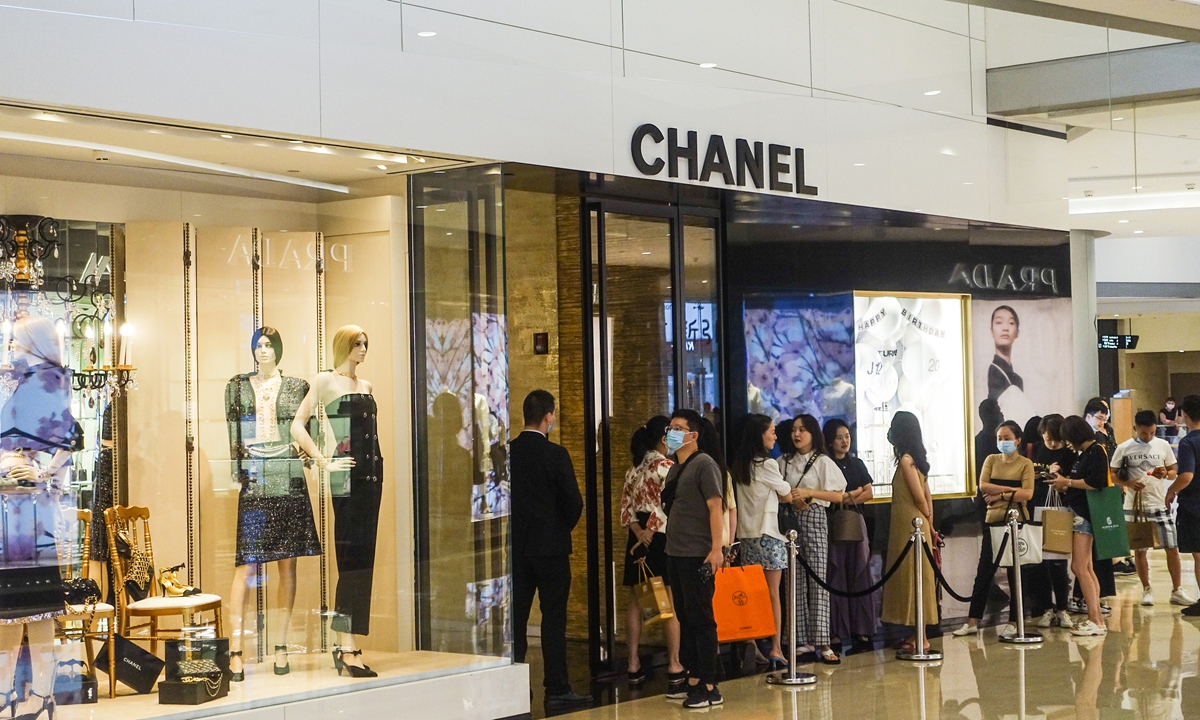
On the other hand, high inflation rates can raise the cost of living. Hence, the real income of an individual will reduce and they will have less money to spend on “non-essential” commodities. This will increase the gap between the rich and poor in a country as well as slow down economic recovery.
Inflation is a necessary evil. It is necessary for a growing and/or recovering economy, but it needs to be kept under check. It’s the government and central bank’s job to keep the economy in control and maintain the desired rate.
Central banks can increase the interest rates to curb inflation. However, that will increase the cost of borrowing and reduce offtake of loans from banks. This can adversely affect capital investment by the industry as well the money markets.
Central Bank world over are keeping a hawk eye on the inflation rate and are ready to jump in as required. I am sure secretly they are praying that they need not intervene too soon, else a fragile economic recovery may be stalled.
It’s complicated.



 The Echo-nomist
Leave a comment