
You know how everyone’s always complaining about a Lays packet having more air than chips? Well, I have some bad news… They’re probably going to increase the amount of air in that packet (or increase the price)!
A while back, we wrote about the increase in edible oil prices and its impact:
This might also result in an upsurge of prices of products, whose main ingredients consist of an edible oil. However, companies don’t want to pass on this rise to consumers so soon due to the market sentiment during Covid. If these prices persist, companies will have to take the decision to bear the cost or increase the prices.
Echo-nomist
These prices persisted. Now the time has come for FMCG companies to decide what to do about this price rise. They can do two things to make customers pay for it. The obvious option is to increase the price of the final product. Their second option is to make the customers pay for it unknowingly, by reducing the weight. Usually people don’t notice how much the contents of the packet weight. So even if they reduce this by a few grams (especially in lower pack sizes that cost ₹5, 10, 15), they will be able to pass on the cost to the consumers without a drastic fall in their sales.
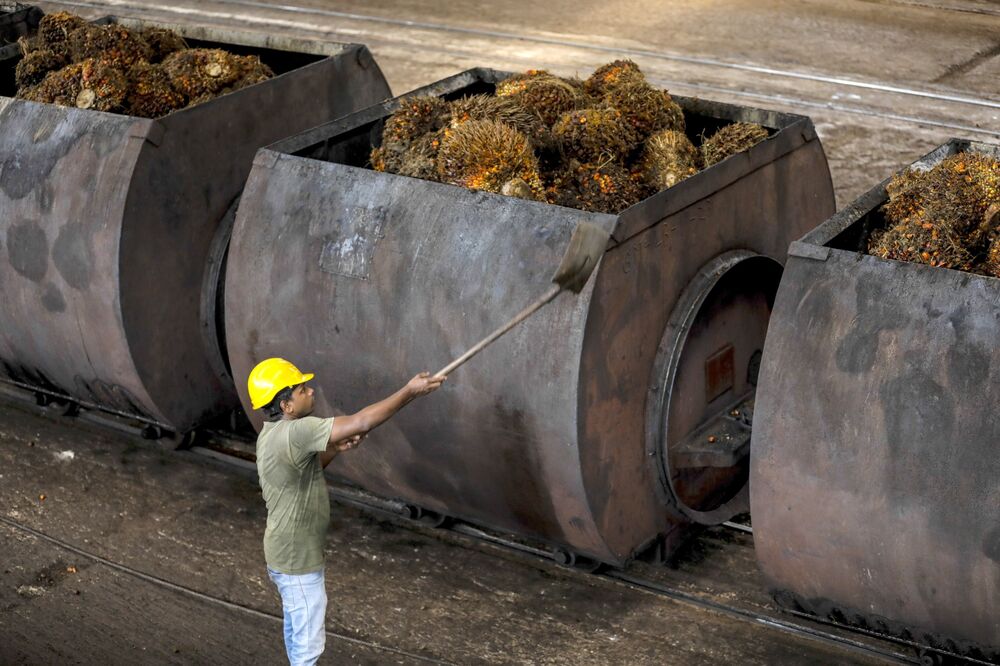
The packaged consumer goods industry has especially been affected by inflation in commodity prices. They tried to absorb the cost and protect consumer value when the prices were rising initially. However, the significant rise is input costs, palm oil and paper in particular, led to a pronounced increase in cost of production. In order to prevent losses, these companies are now revisiting their pricing.
While the prices of various edible oils have been on the rise, FMCG companies are mainly concerned about the price rise of one edible oil: Palm Oil. Their prices have risen more than 6% (source: Reuters) despite the government cutting import duty on palm oil. But as soon as India cut the duty, international suppliers raised prices. They have risen 9% since. The Indian government has even allowed import of refined palm oil from Malaysia and Indonesia (that’s where India imports most of its palm oil from). Earlier, we were only importing crude palm oil. The palm oil exporters are probably enjoying all the money and demand. With lower import duties and higher costs, their profit margin will increase a lot.
The corrugated box industry, on the other hand, is undergoing a crisis. Corrugated boxes are boxes usually made out of cardboard, used to store, pack and transport items. Their cost of raw material has risen 70% (source: Financial Express) over the last six months! The industry is in a lot of distress due to hike in the cost of their main raw material- Kraft Paper. The prices rose to ₹22 per kg from ₹10 per kg.

The inflated prices of packaging coupled with palm oil has increased the burden on FMCG companies. Now they’re trying to reduce this burden, by passing some of it on to the consumers. After all, sharing is caring…
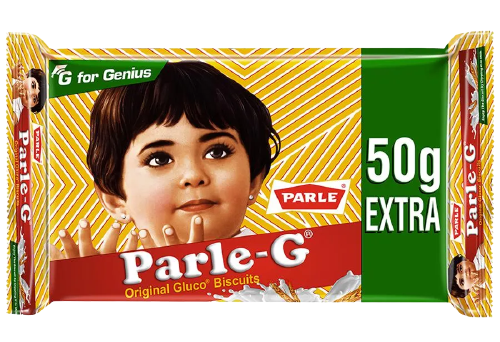
According to Mint, PepsiCo India (they manufacture Kurkure, Lays, Uncle Chips and more) may reduce the grammage for their ₹5 and ₹10 packets. Parle Products has reduced the grammage in their ₹5 and ₹10 biscuit packets and reduced the pack size for those that cost ₹30. In namkeens, they increased the prices on 400gms and 1kg packets. Similar trends are expected for such products manufactured by other companies.
There’s no telling when the inflation will reduce or when can we expect the prices to fall. The government tried bringing down the prices of palm oil but that backfired on them. They can’t do much about the corrugated box industry either since they are drowning in losses. So much so, that some companies in the industry might have to shut down. It’s possible that the exporters are making abnormal profits right now and hence the upward trend won’t continue for very long. We can just wait and keep a lookout for the grammage of those mini packets 😉



 The Echo-nomist
Leave a comment