

Diamonds are famously the hardest substance on earth. Unlike lesser valued crystals, which usually comprise a combination of elements, diamonds are made of only a single element – carbon. Formed deep within the earth’s surface over 3 billion years ago under conditions of intense heat and pressure, the oldest diamonds in the world today predate life on earth.
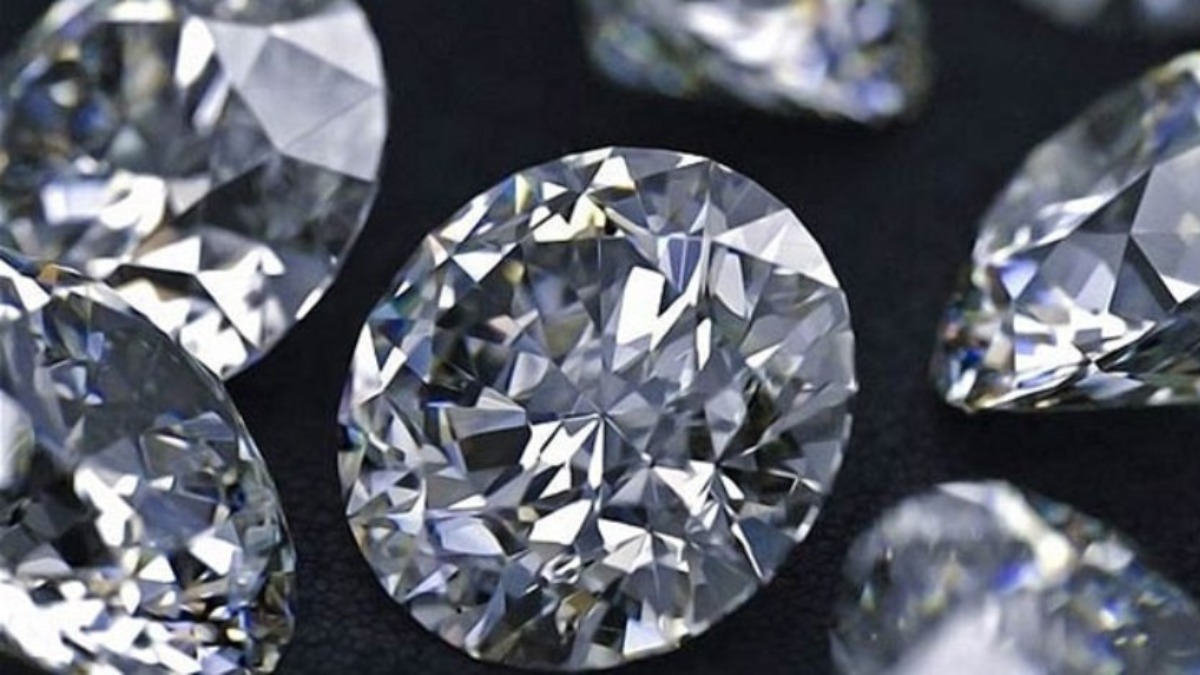
… And yet, when I see a diamond, my only real thought is “sHiNY”. Most of us buy into the cultural infatuation with diamonds without placing any value in its scientific and historical uniqueness, and we burst our wallets wide open to purchase them.

The fact of the matter is, diamonds are not the most brilliant gems, nor are they the rarest. With more and more mines of diamonds being discovered, the global supply has increased tremendously over the past few decades. Additionally, lab-manufactured diamonds are growing in popularity because they are essentially indistinguishable from traditionally-mined diamonds.
So one might wonder what makes diamonds so precious to begin with. In fact, the mystery of how diamonds came to be so valuable is actually one that can be explained by economics.
Before the 1800s, diamonds were a symbol of wealth, power, and status and were valued for their brilliance and rarity. However, when a veritable diamond trove was unearthed in Kimberly, South Africa, there was a chance that the newfound supply would flood the markets and bring down the value of these precious gems.

And this is when DeBeers, a diamond corporation founded by Cecil Rhodes, intervened, dominating the diamond industry for over a century and amassing a fortune by strategically manipulating the diamond market.

DeBeers not only purchased the mine but also started buying up its competitors to maintain tight control over the global supply of diamonds. By consolidating mines and companies, DeBeers gained control of around 90% of the world’s diamond supply within two decades, effectively constructing a monopoly. To maintain the illusion of rarity and luxury, DeBeers released very few diamonds annually and this seemingly sparse supply inflated prices.
But limiting supply is not enough to make profits. Creating demand was the next step. The slogan “A diamond is forever” was key in turning this gem into the cultural touchstone it is today. Countless advertising campaigns reinforced the same slogan. Paintings by some of the world’s biggest artists advertised diamonds as a work of art.

Hollywood musicals like Gone with the Wind, songs like Diamonds Are A Girl’s Best Friend, RomComs like Breakfast at Tiffany’s and several other pop culture influences were monumental in popularizing diamonds. In fact, Hollywood movies are held largely responsible for turning diamonds into a symbol of eternal love, necessitating that every affianced woman’s hand is bejeweled with one. It was perhaps the most culturally significant example of product placement. After all, a diamond is forever.

The creation of demand and the restriction of supply was definitely successful. Despite the existence of an ever growing supply of diamonds, they continued to be a symbol of wealth, power, status, and now, even a symbol of enduring love. The prestige offered by the ownership of this gem further fueled demand by way of conspicuous consumption, i.e., the purchase of lavish items as means to enhance one’s prestige. To this day, ownership of diamonds is linked with one’s professional success. Diamond watches, diamond chains, even diamond toothbrushes exist to serve this purpose.

The concept of the 4Cs is also responsible for high prices. DeBeers promoted the 4Cs – Colour, Clarity, Cut, and Carat – as factors based on which the value of a diamond should be measured. The supposedly “ideal” diamond should be appropriately proportioned, clear, colorless, and big. Conveniently, a lot of their diamonds met this criteria. The existence of this criteria made diamonds that fit this description even more valuable.
DeBeers ran some of history’s most successful advertising campaigns all over the globe and completely revolutionized the cultural significance of diamonds. It is neither science nor rarity that is responsible for our society’s adoration for these brilliant gems, but in fact marketing and economics that are the true culprits.





 The Echo-nomist
Leave a comment