
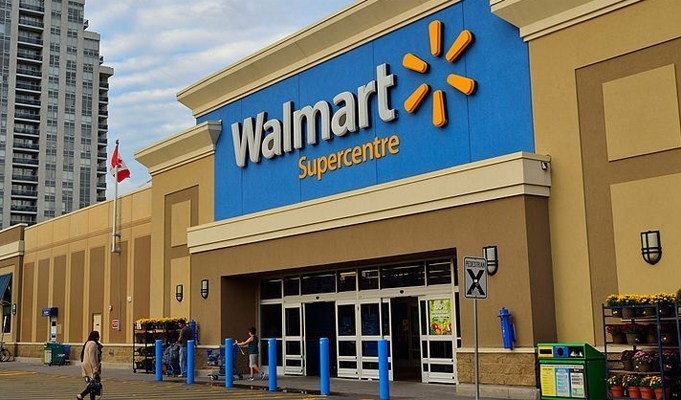
“I’m going to Walmart to pick up some groceries. Need anything? Back to school supplies? Clothes?”
Walmart is an American multinational retail corporation known for their grocery stores. With over 4700 brick and mortar stores in the US and a well-known online presence, they’re America’s retail giant. 90% Americans live within 10 miles of one of its stores (source: Robinhood Snacks). They released their second quarter earnings and it was terrific.
They exceeded Wall Street expectations as they expected the business to be hit by the Delta variant. Besides, back to school always has Walmart’s back.
Their revenue increased 2.4% from Q2 in FY20, to $141 billion. That’s more than the GDP of Costa Rica! Their operating income rose 21.4% year-on-year. (source: Walmart’s Q2 reports)
What contributed to their growth with the delta variant looming over them?
Firstly, groceries. Their 6% sales growth in this category, evidenced strong market share. They saw their food category grow and develop a broad-based strength. Pets, beauty and baby products found a substantial consumer base, which maybe here to stay.
Secondly, health and wellness. Strong sales in this segment did better than when Covid first hit. This year, it’s because of vaccine administration and branded drug inflation.
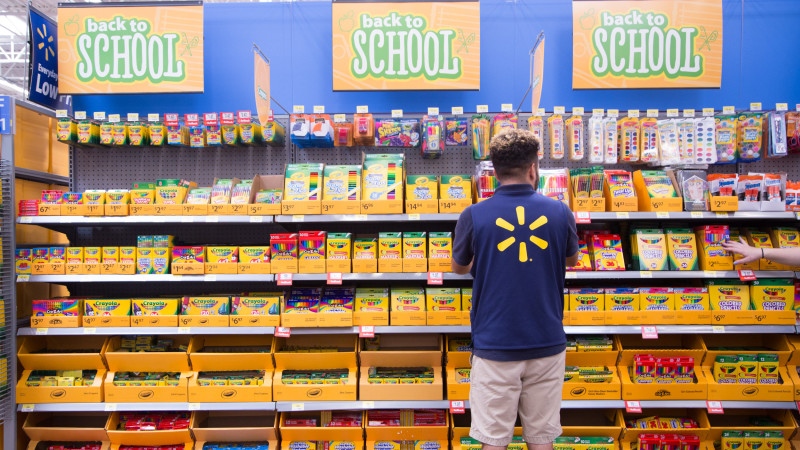
Thirdly, back to school. This comes under Walmart’s category of ‘General Merchandise’ but I think it deserves a special mention considering the sales it managed to generate. Schools have started opening up and kids finally have to opportunity to go to school. But it’s not as easy as it sounds. They need to think about what they’ll wear, buy new bags, fancy stationery etc. Lucky for Walmart, they have the back to school supplies these kids are looking for.
As borders opened up, travel started. This meant strength in apparel and travel-related categories for Walmart. Their automotive categories benefited from the closure of Auto Car Centres.

Walmart wasn’t the only company happy to see customers back in store. Home Depot posted their highest quarterly revenues in its corporate history. That’s huge! Walmart’s rival, Target, also topped Wall Street expectations. Something was in the air and it was not Covid!
Walmart’s profit got a lift from vaccination drives and lower covid-related spending (and higher spending on miscellaneous items). However, these gains were muted by higher supply chain costs and increase in wages.
During the past few months, companies were faced with employees leaving because of low wages and benefits. Many companies, Walmart included, increased their wages and provided incentives for their workers. It was a step they had to take to retain their employees, otherwise, like McD, they would’ve been short of personnel. But this also increased their cost, thus reducing their profit margin. This was coupled with a disruption in supply change because of the pandemic, further reducing their profits.
So while their revenue experienced a solid increase, their profits did not see a proportionate rise. Nevertheless, their statements were forward looking. In fact, they had to sharpen their forecast for the year after Q2 results.

If you look closely, Walmart’s successful quarter is owing to the fact that America is opening up. As Covid norms relaxed and the cases started reducing, people shifted from online shopping to shopping at offline outlets. This raises questions about the delta variant’s affect on their sales.
Biggs, the CFO at Walmart. said the company is watching the delta variant closely as COVID cases rise, but so far hasn’t seen a change in consumer shopping patterns. Masks are back up. However, the influence Covid cases had on consumers in March/April 2020 was not evident this time. So far so good…
US retail sales fell 1.1% in July, as against the the previous month. Prior to this, a 0.7% gain was seen in June (source: FT). The decline, however mild, in vehicle, clothing and grocery sales could be a sign that the delta variant is affecting consumer sentiment. Contradictory to this, a continued recovery can be seen in spending at bars and restaurants.
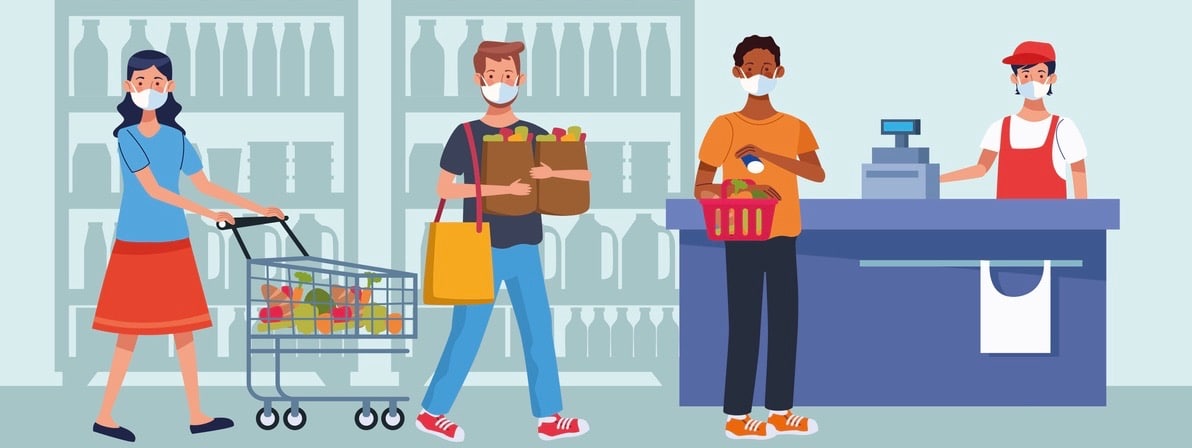
For Q3 they’re going to carefully monitor coronavirus cases and change their strategies accordingly. Their aim will be to increase brick-and-mortar store sales. When someone comes to shop offline, they browse through aisles, get distracted by products they didn’t come to buy and end up buying them. It’s why stores would prefer customers offline.
As a part of the US government’s boosted child tax credit, they started sending $300 per month for each child to the parents. This is likely to boost spending in family friendly stores like Target, Walmart, Dollar General, Costco etc. Especially since it’s back-to-school season, all those fancy school supplies seem attractive!
Will the delta variant take consumers back to their 2020 selves when rampant hoarding was taking place or will it take them back to pre-covid times when they splurged on clothes, food and basically anything they laid eyes on? Only time can tell…




 The Echo-nomist
Leave a comment