

With a change in leadership, Afghanistan’s economy might experience some major changes. Their currency, the Afghani, lost over 7.5% of its value against the US dollar since last week, ATMs are out of cash and banks are shuttered. Also, their central bank governor is in exile. (source: The Ken)
For the past few years, Afghanistan’s economy was mainly propped up by US aid. While they were still one of the poorest countries and have a low GDP, they also made progress during that time. Their life expectancy grew, their literacy rates increased, more students enrolled in primary schools. Now that the Taliban have taken over, they will make some major changes which are bound to impact Afghanistan’s economy.
But what about India’s economy? How will the Taliban takeover affect India’s economy?
India offers some quality medical facilities at cheaper rates compared to developed countries. This is helpful in attracting patients from around the world, including Afghanistan, and fueling medical tourism. Afghan medical tourism patients and their travelling family and friends contributed around $3 billion to the Indian economy (source: Moneycontrol). Max Hospital, Delhi, treats around 8,000-10,000 Afghan patients every year.
With all the uncertainty in Afghanistan, India expects the medical tourism from Afghanistan to decline in the next few weeks. If the situation continues, it may cause a billion dollar hit to India’s medical tourism. However, once the situation stabilises, hopefully patients will be able to get medical assistance in India.

Other than this, trade between the two is at risk…
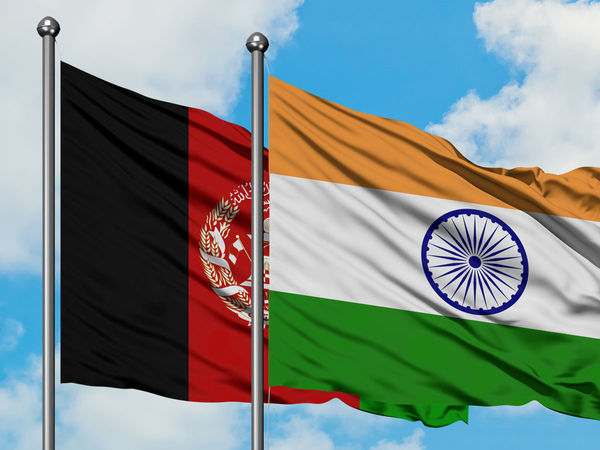
In 2011, India and Afghanistan signed a strategic partnership agreement which included a clause about trade and economic cooperation. It aimed at creating a favourable environment to promote trade and investment and achieving a sustained expansion of bilateral trade and economic ties, among other things. (source: text of agreement)
The total value of exports and imports between the two countries tallies crossed $1.5 billion in 2019-20. India’s exports to Afghanistan touched $997.58 million and imports from Afghanistan were valued around $530 million. While that might not be a lot, exports grew 89% and imports grew 72% in 2019-20 as compared to 2015-16 levels. If the trade had continued without any of the current disruptions, who’s to say how much it would’ve grown… (source: Moneycontrol)
The Taliban are said to have blocked land trade routes between India and Afghanistan, halting all trade via the transit routes in Pakistan. In spite of land roadblocks, they have established an air-freight corridor for the smooth flow of bilateral trade. According to reports, the Dubai route, through international North-South corridor is still open.
But what does India import and export from/to Afghanistan?
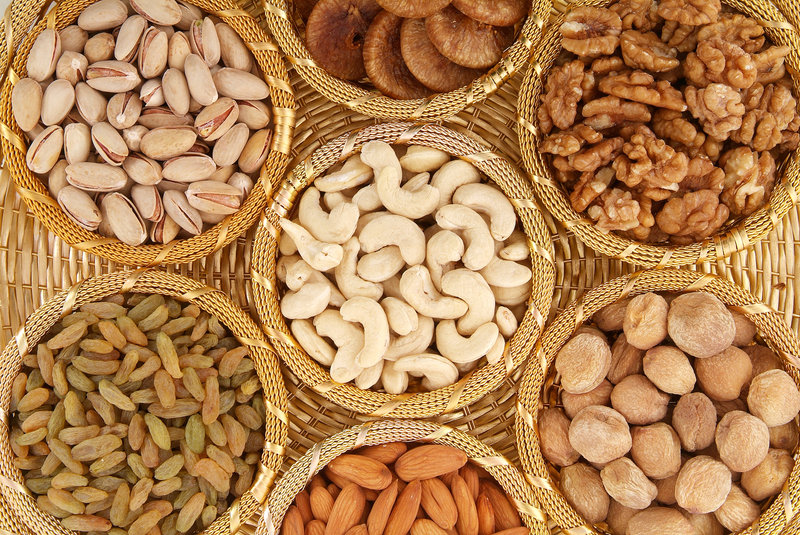
India imports 85% of its dry fruits along with most of the piquant spices from Afghanistan. India’s imports from them include: fresh fruits, dry fruits like fig, walnuts, almonds, apricot, green and black raisins, figs. We also import spices like asafoetida (known as “heeng” in Hindi) from them. Almost 70% of asafoetida is imported from Afghanistan and is a crucial ingredient in Indian kitchens.
Prices of dry fruits have tripled in India, over the past week. That’s a great concern, especially with Diwali approaching! “I am preparing for losses worth 150 million rupees (S$2.73 million) every month, especially in the upcoming Deepavali season when people usually celebrate by gifting almonds, figs and raisins” said Mr. Krishna Tewari, a trader in Khadi Bawli, one of New Delhi’s biggest dry fruits market. (source: Straits Times)
India exports garments, pharmaceuticals, medical equipment, computers, hardware materials, cement, sugar and synthetic fibre to Afghanistan. They’re the second largest buyer of Sugar from India. The problem is, the sugar is transported through the transit in Pakistan (the same ones that are blocked).
So while India’s exports and imports with Afghanistan only accounts for 0.02% of exports and 0.015% of imports, the material being traded is important for both countries.
Other than exports and imports, India has assisted them in reconstruction and development. Their development portfolio in Afghanistan amounted to $3 billion, with over 400 projects. India also provides assistance to Afghans under it’s programmes like: Indian Technical and Economic Cooperation (ITEC) and Indian Council for Cultural Relations (ICCR). More than 65,000 Afghan students have studied in India under scholarships. They have aided human resource formation and skill development in the country. (source: Mint)
Why did India invest so much though?
Strategic importance.
They see Afghanistan as a gateway Central Asia, as it offers access to the energy markets and connectivity projects in Central Asia. Since India has complex relations with it’s neighbour China, they must find roundabout routes to reach these markets. Establishing themselves in these market is important for a country like India. With the Taliban in control, it might not be easy for India to maintain its relations with Afghanistan. Although India’s is waiting to see what will happen to their relations, New Delhi closed all its consulates and evacuated 120 of its embassy staff from Kabul.
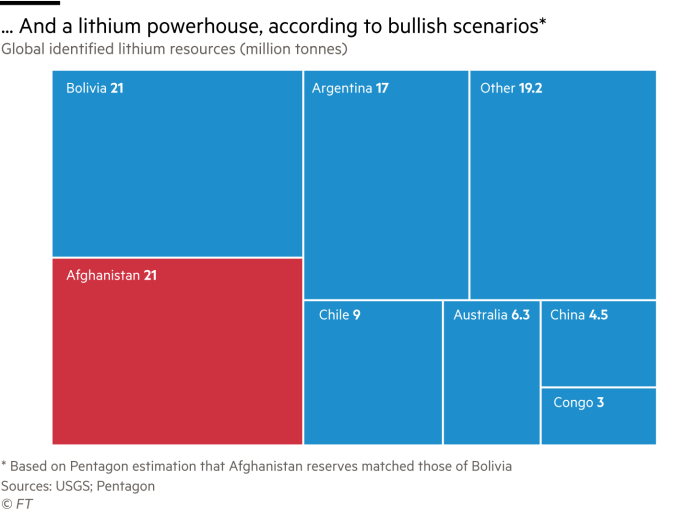
Other than strategic importance, Afghanistan is well endowed with gold, copper, gems and lithium. Their total mineral deposits have been estimated at $1 trillion (source: FT)! Countries are eying at lithium because it’s a basic, but important, ingredient in the battery of an electric-vehicles. And EV’s are gaining popularity faster than anticipated as climate concerns grow.
Some of the other rare metals found there are used in satellites, aircrafts etc. China is looking into tapping these resources…
It seems that India is unsure as to how to react right now. Should they engage with the Taliban and come to an agreement with them? Or slowly let go off trade agreements with them? Everyone is just waiting and watching. What we do know is that this can’t be too good for our economy.




 The Echo-nomist
Leave a comment