

In 2020, the Indian government released certain rules for e-commerce companies. After all, no business can function without regulations. Now, in 2021, the government has drafted certain amendments to this rule. But people weren’t happy with these and they faced a lot of criticism. So much so that they agreed to relook at these rules. But let us take a look at the rules and understand what kind of impact it can have on e-commerce companies.
The first rule is the one that’ll effect consumers the most. No flash sales. Well, they didn’t outright ban flash sales. Soon after the amendments were published they clarified that this wouldn’t apply to conventional flash sales.
That means “back-to-back” sales or sales that limit customer choice, increase prices and/or prevent a level playing field aren’t allowed. Companies are still awaiting government clarification since the definition of conventional flash sales isn’t clearly stated.

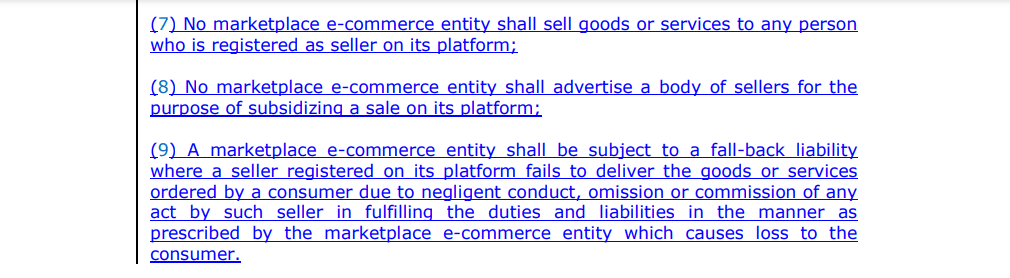
Next up is the concept of “fall-back liability.” This says that e-commerce firms will be held liable incase a seller on their platform fails to deliver goods or services due to negligent conduct, which causes loss to the customer. Usually when you buy a product from, say, Flipkart, that is sold by a third-party, Flipkart will direct you to the seller (third-party) to solve any problems, disservice or damage. With the option of fall-back liability, you will be able to reach out to Flipkart directly.
They also mentioned something about cross-selling. Suppose you’re getting ready to go camping over the weekend and you’re missing some supplies like a tent, torchlight etc. You type Amazon.com and buy the required products. Next time you sign in to your Amazon account, you will see recommendations for camping equipment. This is an example of cross-selling. Almost every industry today, including e-commerce, uses such techniques. According to the draft rules, e-commerce companies are required to disclose the “name of the entity providing data for cross-selling.” It’s a confusing statement and no one is sure how this will play out in real life.
The rules also provide a boost to domestic manufacturers aka Make in India. If the goods being sold are imported, the company will be mandated to identify goods on the basis of their origin. In addition to this, they must have a filter on their site regarding the origin of goods. And if imported goods are being sold, desi alternatives should also be suggested.
These are the highlights of the draft rules. The ecommerce draft rules are ostensibly to make life better for the consumers but they also seem to be an attempt to break the duopoly of Amazon and Flipkart.

Why don’t e-tailers like these rules so much? To begin with, they can’t follow these rules free of cost. Their compliance cost will increase significantly, as will their potential liability. Mandatory registration, mandatory appointment of a Chief Compliance Officer, Nodal Contact person and Resident Grievance Officer- all of these will contribute to the increased costs. And the introduction of fall-back liability will contribute to their increased liability.
With so many compliances, e-commerce will seem like a less exciting venture. Larger e-commerce companies have enough funds, and large operation scales which will help them subsume any liability but smaller e-commerce companies will be driven away. This is the opposite of what the government wants to achieve.
The “one size fits all” approach was used while drafting these rules which is surprising. What happens around the world is that digital companies of a certain size have specialised targeted regulations and this has gained global acceptance now. In US, the Federal Trade Commission has been vocal about regulations for the big tech. Even in India, the new IT rules distinguished between companies on the basis of their size. But according to the draft rules, everything is the same for big companies like (Amazon and Flipkart) and small companies.
Also, there isn’t enough clarity. A lot of rules are ambiguous and are creating confusion among businesses. Flash sales are bothering them the most. What exactly is a conventional flash sale? If a company wants to clear it’s collection and they announce a 3 hour long sale on an e-commerce platform with reasonable discounts is that allowed?
Confederation of All India Traders (CAIT), Internet and Mobile Association of India (IMAI), Flipkart, Amazon and more sent their comments and suggestions to the government (source: Inc42). These responses are being reviewed and the Central Government is actually considering to add some changes in these rules and provide clarification. Until then, what are your thoughts?


 The Echo-nomist
Leave a comment