

It’s a well known fact that the pandemic has cause supply chain disruptions. Since the covid pandemic started, we have experienced and read about all kinds of shortages. Some of them extremely bizarre (like Ketchup packets) and some of them more believable (like the very serious chip shortage). Today, UK is facing another kind of shortage- Lorry drivers.
Say what?
UK is experiencing a chronic shortage of Lorry drivers and it’s definitely caused losses to businesses.
From beer brands to Coca Cola to McDonald’s and Nando’s, all of them can feel the shortage and it’s affecting their business…
Why is there a shortage of lorry drivers?
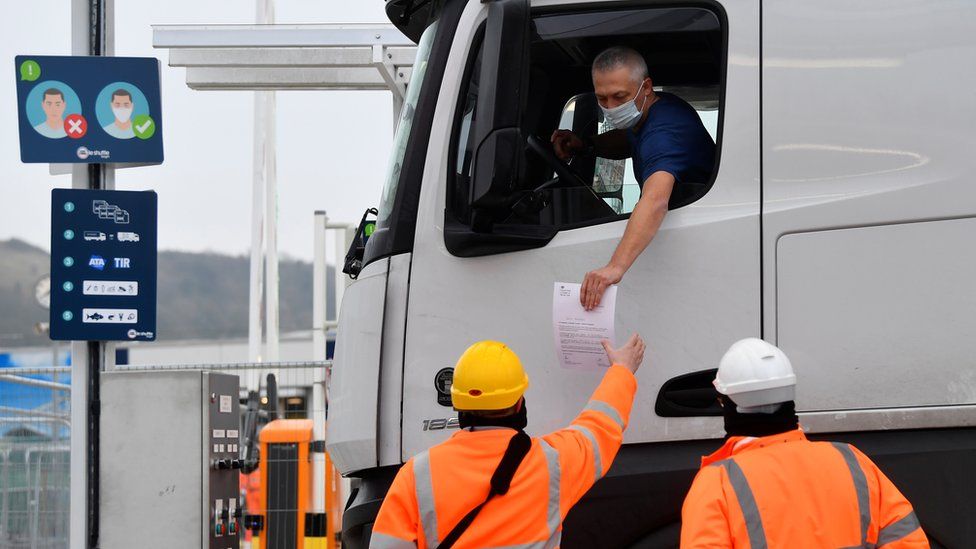
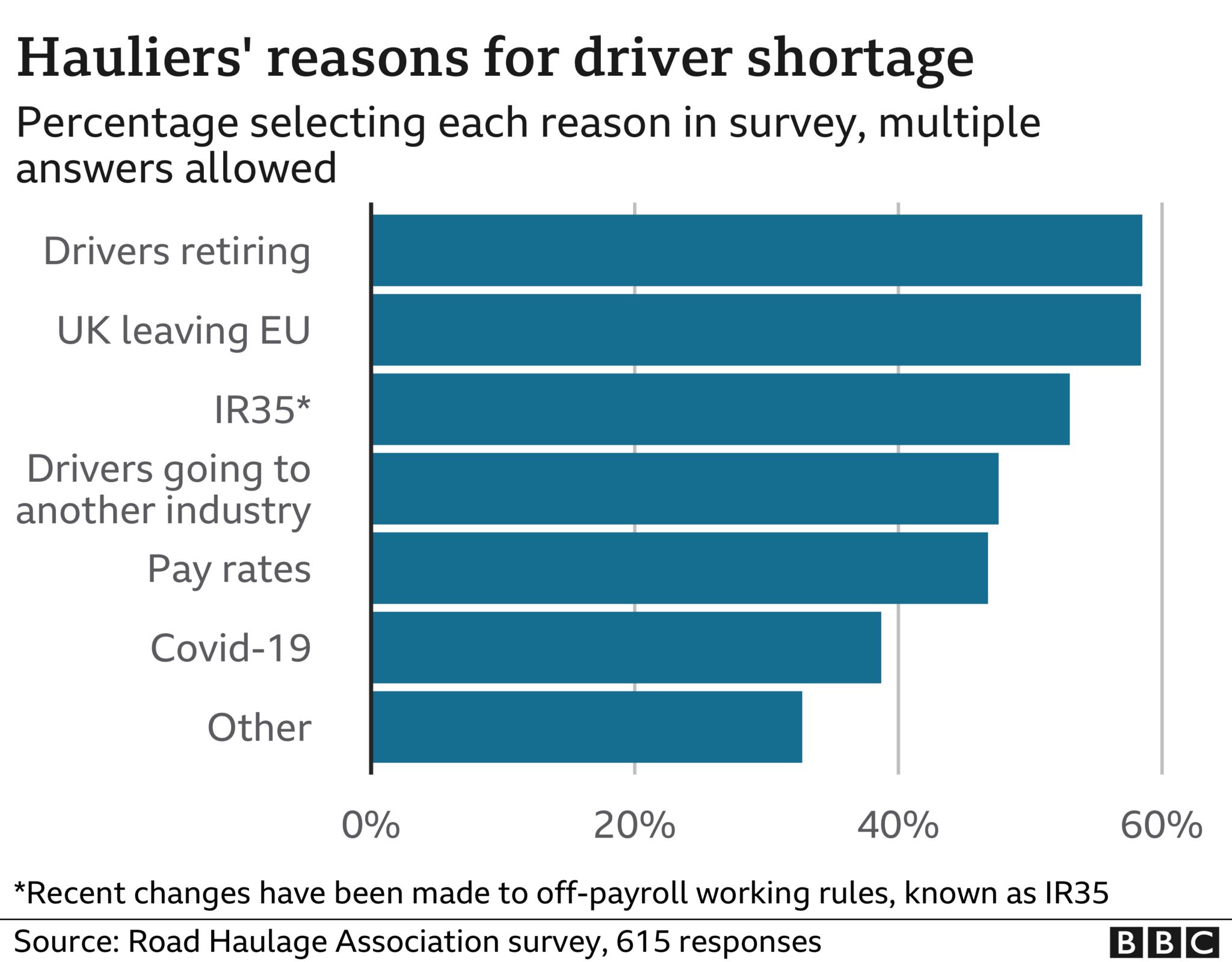
It’s mainly due to a combination of Brexit and Covid. With several countries imposing lockdowns and foreign travel restrictions, large parts of the economy shut down. With restrictions on movement and extended lockdown periods, many of the European drivers went home. According to haulage companies, not many of them have returned.
Due to the rising Covid cases, vocational driving tests were completely shut down for much of 2020. It led to a loss of over 30,000 test slots and only 15,000 new drivers were produced (25,000 drivers less than 2019). Since testing centers were shut, the pending applications couldn’t be approved and this resulted in a large backlog on the Heavy Good Vehicles (HGV) driver tests. (source: A letter to the Prime Minister from the industry)
Britain’s exit from EU also has a role to play. When UK was a part of a single market, the lorry drivers were free to come and go as they wished. But since Brexit, security at the borders tightened and driving in and out of UK was too much hassle and inconvenienced them. Since many of them are paid by the kilometer/mile, time is money for them. Not going in and out of UK will save them time, which means more money 💲💲💲. Evidence suggests a shortage of HGV drivers throughout Europe, but it’s more pronounced in UK.

There are other reasons as well, like taxes and working conditions. Changes in taxation policies in the UK has made it more expensive for drivers from other European countries to work or be employed in UK. This means there isn’t any incentive to work in UK because they’re going to earn less money.
The working conditions and wages of a lorry driver aren’t ideal. Long shifts, regularly sleeping in the lay-by and impolite strangers… The wages they get aren’t enough for the hardwork that goes into it. With more awareness about labour laws, the drivers realised this and demanded higher wages. Some of them quit because their employer didn’t pay them enough. However, the shortage has significantly pushed up wages for the HGV drivers still continuing.
Now we know why the shortage exists. But what are the repercussions? And is it really that serious?
This shortage is further causing shortages. Haha.
The food industry has been one of the most affected due to this. No haulage is taking place and hence they aren’t receiving packaged food or raw materials. KFC and Nando’s had to remove certain items from their menu because of supply restrictions. Nando’s even shut down 50 sites, temporarily, blaming supply chain issues. McDonald’s ran out of milkshakes in England, Scotland and Wales. Currently, bottled drinks and milkshakes are unavailable in their UK outlets. Haribo, popular for their gummy bears, has said they’re struggling to deliver candy to UK.
Even beer companies have been affected! The Wetherspoon chain said that they were facing a dwindling supply of beer. Heineken, Carling and Coors have been affected the most. A packaging company that bottles Coca Cola’s drinks, said Diet Coke isn’t available in supermarkets due to the driver shortage.
Ikea, a furniture giant, is struggling to supply around 1000 product lines to UK customers and is facing shortages in all 22 stores in UK.

I don’t know about a snow storm, but UK will definitely be hit with a ‘perfect storm’ of shortages. If this issue isn’t resolved soon, stores are saying they will face empty shelves in the days leading up to Christmas. September-October are the months that grocery stores generally began stocking up for the holiday season. But that can’t be possible if the trucker shortage persists.
The shortage is pretty serious. According to the director of policy at Road Haulage Association, Rod McKenzie, 95% of everything in Britain comes in the back of a truck (source: NYT).
The HGV shortage has led to a disruption of the supply chain, which is why the effects can be felt by various industries. And this is just the onset of shortages.
There was a shortage of HGV drivers even before the pandemic. However, the shortage is more acute now. Earlier they were 60,000 drivers short of the requirement, now there are 100,000 drivers less than needed (source: Letter to PM). When companies need to tackle such deficiencies, they look for immediate results. That’s why they buy skills instead of creating resources, because training and development is a long and tedious process which takes time and costs money.
As a short-term measure, the government has suggested that British Army personnel with HGV qualifications help with deliveries of food supplies, medical goods and other essential goods. While this is a reasonable suggestion to keep the economy going, in the long-term the government needs efficient training and recruitment programs so that such a problem doesn’t arise in the future.
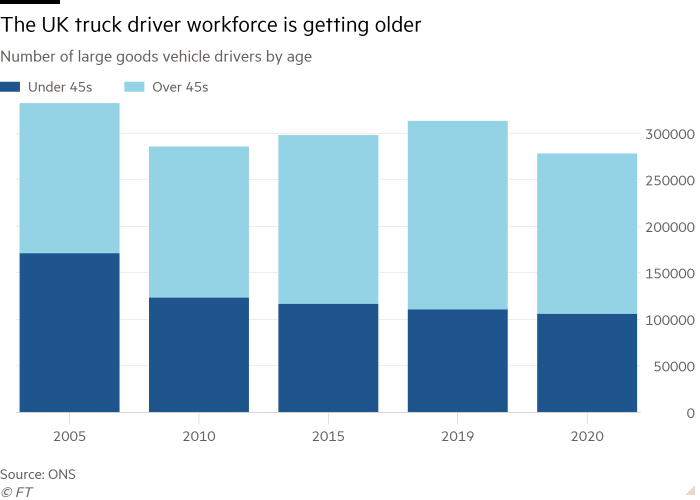
Since the drivers who moved to other European countries are earning more money there and it’s closer to their home, they don’t see a reason to return to UK. The average age of HGV drivers is 55 in UK, which indicates that younger workers need to be attracted. Also, Britain had fewer than needed drivers even before Covid, thus indicating that they need to focus on human resource creation in this industry.
Lorry driver is an underappreciated profession in the terms of pay, as well as the role it plays in the supply chain. That’s about to change… They can expect a better working environment and of course incentives, at least till the shortage lasts. Tesco is already offering £1,000 or more to attract drivers. (source: SM)





 The Echo-nomist
Leave a comment