
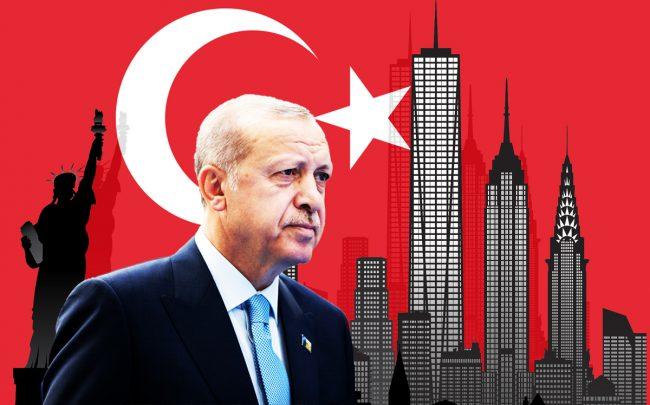
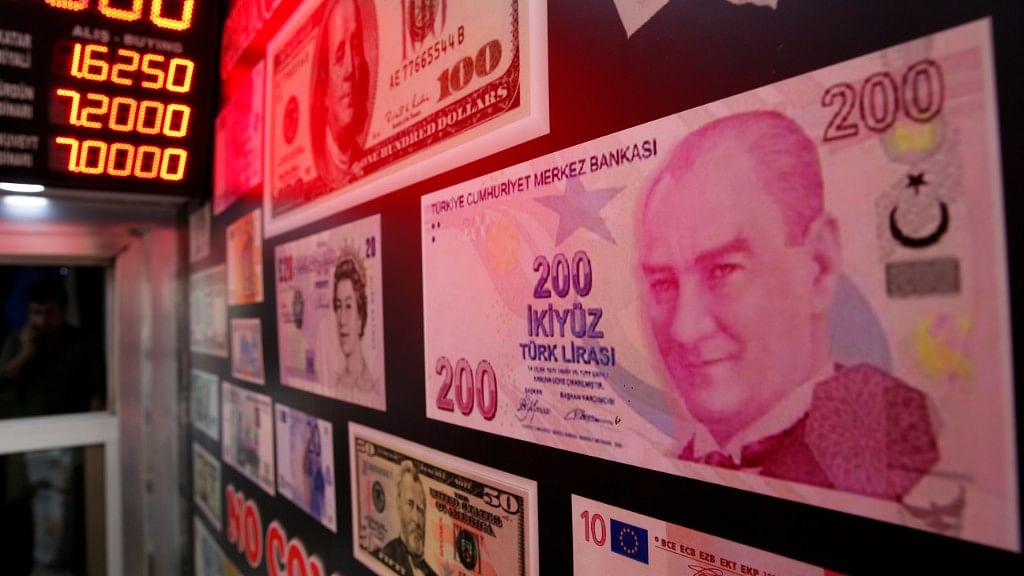
Turkey’s going through a currency crisis and it’s like the kind of thing you would see in apocalyptic movies. Their currency, the Lira has been flirting with record low prices. Lines outside grocery stores and gas stations, farmers defaulting on loans and street demonstrations. The signs of economic distress and the people’s plight is all too obvious.
Their currency crisis is actually an unusual case… To begin with, the value of Lira has been depreciating at a really fast rate. To give you an idea, the value fell by one fifth in just 2 weeks and has fallen 50% since the beginning of this year (source: WSJ). This may come as a shock, but it has not been caused by problems in the country’s economic fundamentals. Instead, they posted a current account surplus for the second month in Sept’21, thanks to a huge surge in exports and increase in foreign tourists. This came as positive news since they have long suffered from current account deficit. This crisis is a reflection of the erratic and influential decisions of the one and only president Recep Tayyip Erdogan.
Mr. Erdogan, the Turkish politician, has been the president of Turkey since 2014. Prior to that, he was the Prime Minister of Turkey from 2003-2014 and the Mayor of Istanbul from 1994-1998. He sure has had a long run. Ironically, the country recovered from the financial crash in 2001 under his leadership.

Coming back to the ongoing crisis, Erdogan obviously blames outside forces for it. But the real problems began in March, when he fired Naci Agbal, the head of the central bank. He was the third governor to lose his job in 2 years who tried to increase interest rates! As his replacement, he appointed someone loyal to him: Sahap Kavcioglu. This led to the lira dropping 15% shortly afterwards, before it recovered a little (source: FT). Doesn’t this pattern seem similar?
This was followed by a steep drop in the beginning of November after the central bank cut rates for the third time in three months.
Erdogan strongly believes in low interest rates. That’s not illogical. Many governments reduced interest rates as it increases the money supply in the economy and stimulates the flow of money. It allows businesses to borrow at more affordable rates ad helps them grow and expand. Makes sense. All of this is especially relevant when economies are contracting due to a pandemic. But this logic ceases to hold true when your currency is already weak.
Also, nothing is good in excess- moderation is key. Everything else remaining constant, the money will fail to hold value, thus triggering inflation.
At this point, going by economics and logic, a step towards recovery would be to increase interest rates and make borrowing a counterproductive activity. In the past, this has helped Turkey and other countries to suppress inflation. Mr. Erdogan believes otherwise though. He is an ardent supporter of low interest rates and hates high interest rates. He refuses to raise interest rates. Instead, he thinks low interest rates is the way to tackle inflation. According to him, the economic growth stimulated by low interest rates will help the country raise production of goods and services and help control inflation. To prove his point. he is putting everything at risk and so far, it’s not going so well.
Inflation can be a problem for the citizens sometimes. No one likes it. Think about Indian’s going crazy over how expensive tomatoes are, or the oil prices. Much like that, Turks are complaining about everything being too pricey. Many blue-collared workers, students and pensioners are not able to afford basic necessities Housing has become expensive as. rents have skyrocketed and the cost of buying a house is increasing (as it’s mostly pegged to the dollar). For most of the population, holidays to foreign countries and buying imported products is out of reach. Many young professionals don’t see a future in Turkey. This is reflected in the emigration figures. Around 3,000 doctors are said to have moved out of Turkey since the start of last year and another 8,000 doctors are planning to join them.
The pro-government media is trying to look at the bright side of this but it just seems like a cruel joke. The minimum wage has sunk from $380 to $220 and the media channel said this is a chance for foreign countries to move their production to Turkey (source: Finshots). One ruling-party parliamentarian suggested the Turks should eat less.

Various industries have been negatively affected. Take, for example, the hazelnut industry. The thousands of small famers, who grow most of the nuts, are battling high production costs. Fertilizer prices have nearly tripled, making it too expensive for many of the farmers- especially small and marginal farmers. Many prosperous farmers who earned a livelihood by selling hazelnuts are living in uncertainty right now. Turkish hazelnut industry is the largest in the world employing 4 million people, producing 70% of world’s hazelnuts! (source: WSJ). The cost of raw material is rising and farmers can no longer afford pesticides and fertilizers, thus reducing their output. This hazelnut is used for milk, Nutella and other items produced across the globe. This is just one example of how this shortage could have global implications. If this crisis continues, it’s going to affect the entire world, not just Turkey.
The opposition is hopeful that this is Erdogan’s last year in power and the elections in 2023 will bring an end to this vicious cycle. His popularity is fading as people are unable to afford food and other household essentials. The inflation is already running at an annual rate of 20%. If the same interest rate regime continues then the lira will fall further and prices will rise relentlessly. The only option left for Turks to protect their savings would be to turn to a currency outside Erdogan’s control or make the central bank truly independent. How much more damage can be done to the world’s worst performing major-currency?



 The Echo-nomist
Leave a comment