
The economic effects of the virus became observable in the second year of the pandemic. There were many interesting, some bizarre, phenomena and a change in consumer spending. Low interest rates, emerging industries, revenge spending and more.
This year was indeed a chaotic one with Covid relaxations, followed by the dangerous second wave. The Omicron variant was the cherry on top, a third wave to end the year. Let’s look at some of the highlights from the year.
Lipstick Effect

Interestingly, lipstick sales can be taken as an indicator for how the economy is doing! It was coined by the former Estee Lauder chairman, following the dot-com bubble burst and 9/11 attacks. The US economy was in recession in 2000-01 due to this, when Leonard Lauder made a perplexing observation in the wake of the attacks- the company’s lipstick sales had nearly doubled! Accordingly, he developed a theory that during unstable economic times, people buy small, more affordable luxuries like makeup products. They refrain from spending large amounts on expensive items and hence fulfill their wants with comparatively cheaper items.
Lipstick effect isn’t limited to lipsticks, it extends to other products like mascara, fake lashes, eye liner etc. Companies said that they saw a rise in the beauty and personal care segment over the past year. However, the lipstick theory doesn’t have enough data to definitely prove or debunk the theory. Economists are divided over whether the lipstick effect is actually in play or not. Either way, eye makeup sales boomed this year (more than lipstick sales since the lipstick isn’t even visible with a mask)!
Here’s the full story:
–The economy went lipstick shopping
Housing Boom
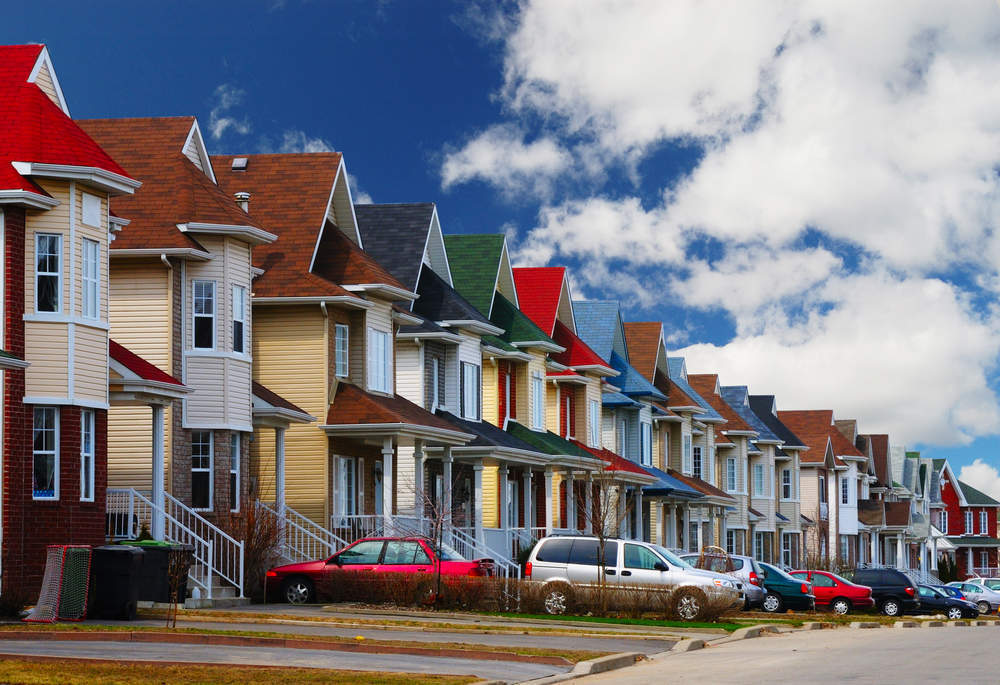
In the beginning of the pandemic, the government reduced lending rates in order to increase liquidity in the market. The cost of borrowings was nearly 0% at one point. This was coupled with changing requirements during a pandemic. Work-from-home became the new norm, which called for an office space in the house. Those with children also required extra rooms as schools are either completely online or hybrid. Both of these encouraged people to buy houses. Loans were readily available at low prices, mortgages were low and requirements were new.
A lot of buyers rushed to buy houses. The boom and intense competition that followed was unforeseen.
Investors usually buy houses and single family homes in neighbourhoods with attractive services (think: good schools, metro-cities etc.). They are competing with middle class families to buy houses. Since they have the money, they are paying 20-50% over the asking price, hence outbidding normal home buyers by a large margin. Further, they rent these homes at high prices to families desperate to live in that neighbourhood. The average sales price of privately-owned houses increased from $383,900 in 2019 to a whopping $430,600 in May’21.
Here’s the story in more detail:
–Wall Street is outbidding the American dream
Inflation!
High inflation rates has been all over the new recently. What’s that all about?
The suppressed demand during the lockdown period led to accumulation of savings in many households. The direct impact of this was revenge spending when the restrictions eased, thus increasing prices. Supply chain disruptions caused an imbalance in the supply and demand which was also a significant contributor to higher prices of commodities.
When covid began, central banks slashed lending rates drastically. Since the interest rates were low, businesses and people are incentivised to borrow cheap and invest or spend. This results in more money in the markets, which in turn boosts spending. These are some of the factors at play for high inflation rates. Recently, the prices of commodities has been increasing and inflation is becoming harder to curb.
To know more about inflation:
–There’s talk on the street on Inflation, it sounds so familiar
Vaccine incentives

The coronavirus vaccines were quick to roll out, bringing out the trust issues in some people. Vaccine hesitancy is common among people in every country. Vaccination drives eventually lose the momentum because after a point, only anti-vaxers or people reluctant to get the jab are left.
From a young age, we’ve been taught to respond to incentives and so governments turned to incentives. There were some very creative and bizarre incentives created. The White House partnered with online dating platforms such as Match, Tinder, Bumble etc. Those who get vaccinated will get access to premium content without paying! According to OKCupid, vaccinated people receive 14% more matches than those who aren’t. That’s just an added incentive 😉
Anyone who received their shot in May’21 could redeem a free beer at one of the participating breweries in New Jersey. West Virginia hosted a vaccine giveaway with money prizes, scholarships, custom outfitted trucks etc. Krispy Kreme offered a free glazed donut everyday for the rest of the year if you’re vaccinated. Who doesn’t love a free donut?
However, incentivizing vaccines on such a large scale might make it difficult to convince the population to get the booster dose or other doses in the future. Incentives are effective in the short-run, but what happens when the reward is taken away? Along with monetary incentives, they also have to promote the rationale behind getting jabbed.
Here are some more interesting vaccine incentives:
–The vaccine incentive game: who’s winning?
OTT

Over the top platforms are streaming serves on demand. OTT platforms are ad free and have a wide selection of movies and tv shows to watch from the comfort of your couch. Now more than ever, people are switching to OTT platforms like Netflix, PrimeVideo, Disney+ as cinema halls are shut. Besides, how do you get entertainment when you’re inside the house for most of the day.
Since the subscriptions to these platforms are paid, the companies had to come up with creative ways to attract customers. They produced original content ie. content that can be exclusively found on the respective streaming platform. Over the year, they got more creative. Netflix unveiled their online store where they’re selling original merchandise from their TV shows. Amazon’s PrimeVideo acquired MGM which will help them in providing their customers with a wider library. The companies are going to have to be even more creative this year with increasing competition…
Here are some OTT-related stories:
–Over the top platforms are over the moon!
–Continue shopping: Netflix original merch
–Amazon likes its library shaken, not stirred
Meme Stocks
Speaking of movies, cinema halls have been shut for a long time. AMC is an American movie theatre chain, whose revenues were affected negatively due to the pandemic. They had announced that their cash reserves would be largely depleted by the end of 2021 if business continues like this. They had borrowed huge sums of money and paying it back was tough since they weren’t earning very much.
They managed to pay back debts of $600 million by allotting shares. For this, they have Redditors to thank. Their rallying sent the stock prices up, which gave the debtors a reason to accept shares as a method of payment. Their shares rose as much as 500% month-on-month. After a bad year for AMC, many investors shorted the stock. Redditors made it their agenda to fight the funds that had massively shorted the stock.
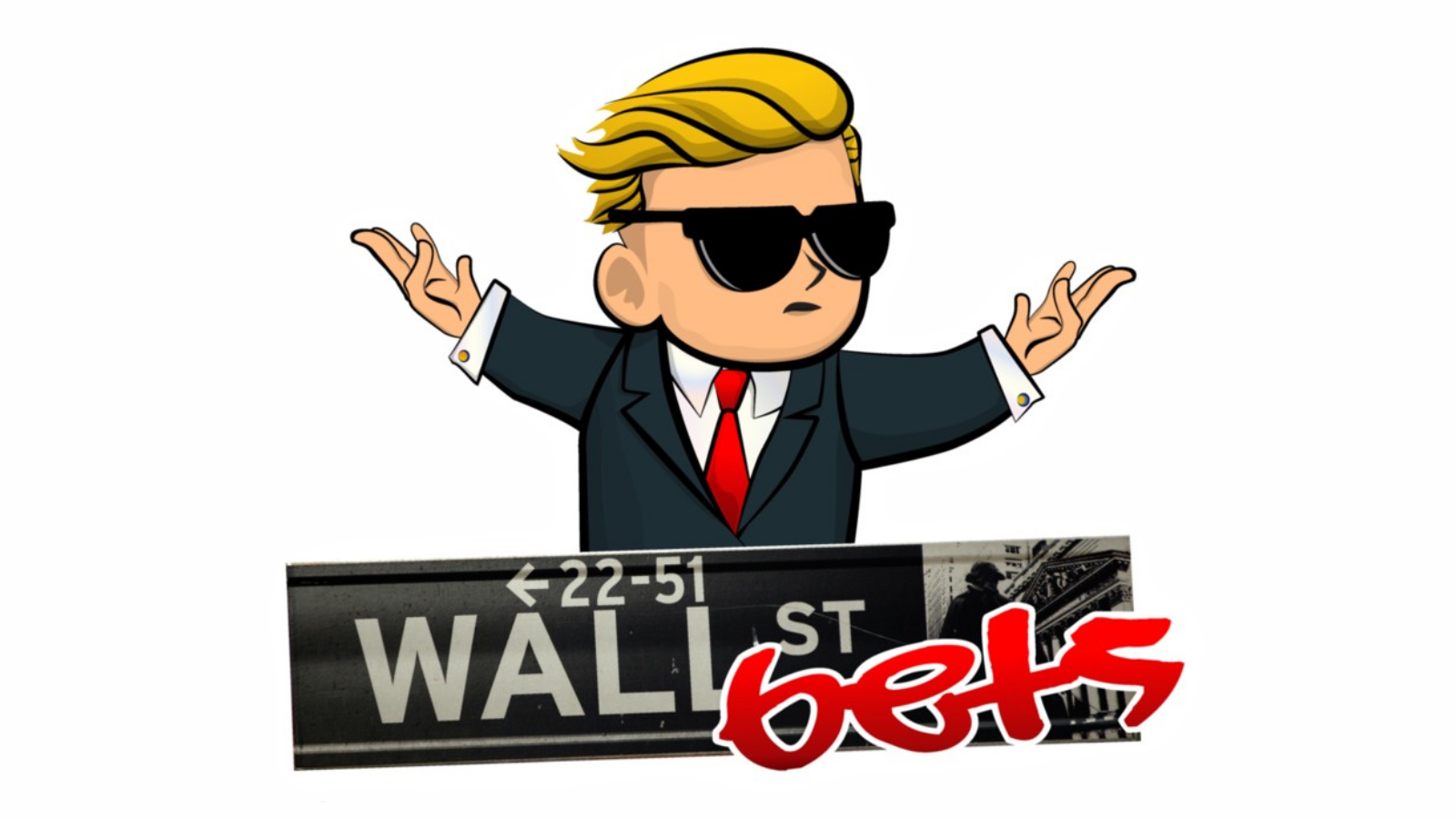
Redditors reacted similarly to GameStop in the beginning of 2021. These stocks, whose popularity is generally because of social media and memes shared among traders on platforms like Reddit’s r/wallstreetbets are called “meme stocks.”
AMC used this to their advantage and gave incentives such as a free large popcorn, invitations to movie screenings and other surprises. This will ensure that the investors hold on to their stock, which prevented it from falling as fast as it rose. Also, the investors will actually have to go to the theatre to avail the free popcorn thus keeping their business alive.
Here’s more on this story:
–Free popcorn with your capital gains🍿
Fashion trends
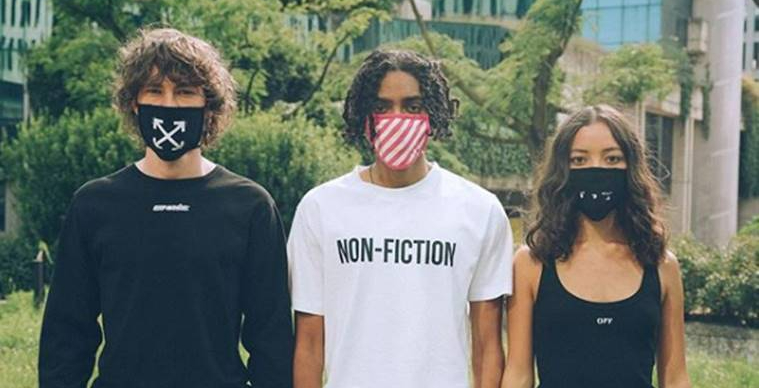
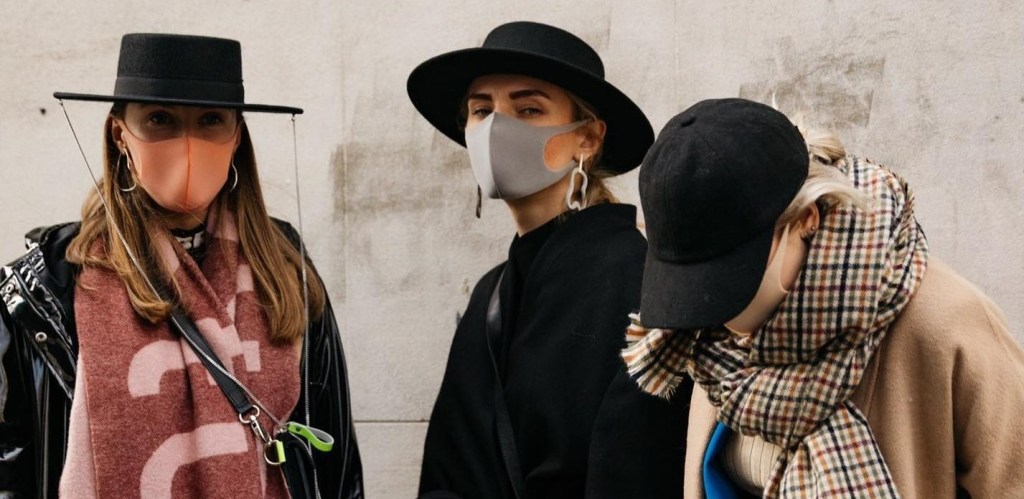
Lockdown and the pandemic bought about huge changes in almost everyone’s closets. Gone are they days where you have to wear business casuals during the day and dressy outfits for nights out. With no where to go, people switched to comfier, around-the-house alternatives. And everyone chose to pair their outfit with a quintessential accessory, the mask. Loungewear, cozy slippers, active wear, sneakers, pajamas, sweatpants, shorts, tie-dye clothes, hoodies and “zoom tops” (to wear in office meetings) etc. gained popularity. Some of the old fashion trends like tight tops, wide leg pants, vintage aesthetics and more have made a come back.
Levi’s reported a growth in sales of tops from 11% of total revenue to 21% of the total revenue. Kering observed that their most formal clothing segment hasn’t been doing well.
Other than what consumers were buying, the mode of buying also changed. Brick and mortar store sales were extremely low. However, e-commerce/online sales were high as people binge-shopped. All the companies reported a significant rise in the e-commerce sales. Philip-Van Heusen Corp.’s experienced a 43% growth for digital channels. Nike’s e-commerce sales also rose 49% and H&M’s rose by 38%. The pandemic has definitely reshaped the fashion industry.
Here’s the full story:
–No money, suit and tie
Doppelganger Effect
Doppelgangers in the share market end up causing a lot of confusion among investors. This has happened fairly often since the pandemic began. Zoom started gaining popularity when the pandemic began. It was a company barely heard of before March 2020 and now it’s so popular it’s a verb (“let’s zoom”). To cash in on the Zoom-mania investors flocked to buy the shares of ZOOM Technologies on Nasdaq, pushing their price up more than 240%!! But someone realised that they were in fact, buying the shares of the wrong Zoom. They had meant to buy stocks of Zoom Video Communication…
When India was struggling with the second wave, one of the main shortages was oxygen cylinders. While the situation wasn’t good for the people, medical oxygen companies were making a lot of money due to the rise in prices. The investors decided to buy the stocks of Oxygen companies to earn some profits. They got so caught up in it, they bought the shares of any company with “oxygen” in their name. In doing so, they pushed up the share price of Bombay Oxygen more than 100%. However, the company is actually a Non-Banking finance company! They used to manufacture and supply industrial gasses but they stopped operation a few years back. So the investors got the wrong stock once again… Signal, Clubhouse, Luminar Technologies and more have similar stories.
Here’s the article with similar stories:
–Doppelganger Effect in Share Markets
Samaritans

The second wave of coronavirus in Indian was deadly. It was infectious and a large percentage of the population required oxygen cylinders and hospitalisation. Neither of which were available easily. The healthcare system was overburdened and almost collapsed. In such desperate times, some companies really rose to the occasion in order to ease the pain and suffering caused by the virus to their employees and their families. Most companies organised vaccination drives for the employees but some of them took the responsibility to directly support their employees.
Borosil, which is especially known for its heatproof glass utensils, lost 4 employees to the virus. The company acknowledged the loss and the Managing Director announced that the families of any employee they loose due to Covid, will be provided 2 years worth of salary. They also pledged to pay for their children’s education till graduation in India.
Urban company, which follows a gig worker model, set up a relief fund in honour of an employee they lost due to Covid. They founders and employees directly contributed ₹1 crore. They will also match all contributions made to the fund to double the amount. The aim of the fund is to provide medical assistance and bereavement support to their gig workers affected by Covid.
Here are some more heartwarming initiatives by companies in India:
–Samaritans of India Inc – but we need more!
Fitness💪

People are making dramatic lifestyle changes that are also changing businesses. Many people are becoming more conscious about what they eat and their health. The packaged food industry are introducing healthier snacks and advertising it with keywords such as baked, not fried, less fat, multigrain, low calorie etc. Juice and drink companies are also making changes to their products. Coke, Pepsi introduced sugar-free, zero calorie, diet Coke/Pepsi. Companies are branching to probiotic drinks, energy bars, enhanced water etc. This industry is showing constant growth and is expected to grow at a CAGR of 10.94% reaching $198.12 billion by 2026!
Other than food and beverages, shift to home-workout and fitness craze has given a push to companies like Peloton which deal in exercise equipment. They are especially known for their gym bikes. the sale of fit-wear and gym clothes has also risen this year. Online fitness apps have become popular and are charging money to access premium content. People’s lifestyle changes are shaping an entire industry!
Here’s the full story:
–Hold my juice – What the health?
These are just some pandemic things…


 The Echo-nomist
Leave a comment