
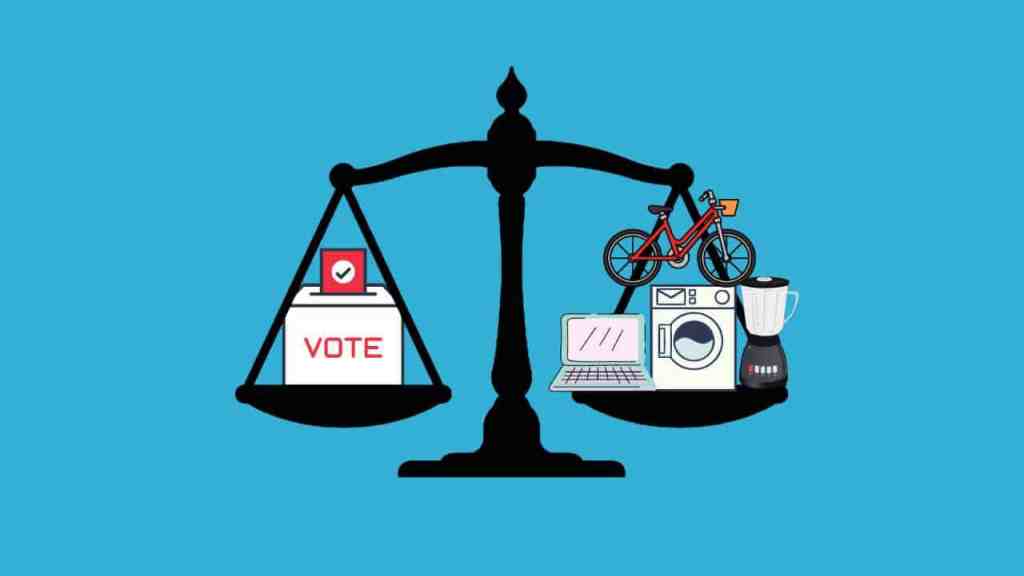
Currently, elections are going on in 5 Indian states- Punjab, Uttarakhand, Uttar Pradesh, Manipur and Goa. The elections that begun on 10th Feb’22 in UP, will have various phases and eventually conclude on 8th March 2022.
Needless to say, Political Parties have been busy planning their election strategy and conducting rally’s and mobilising the people. They’re also busy with planning how they’re going to lure the voters into voting for them. Questions like what promises will appeal to people, what can we give away to the voters.
Over the years, political freebies have become an integral part of the electoral process and it’s no different in the ongoing elections in the aforementioned states. These freebies can be in the form of anything- Free electricity supply for a month, free water supply, monthly allowance to unemployed (unemployment benefits), gadgets like laptops, smartphones. etc. in order to secure the vote of the people. Recently, the parties have gotten more creative because of the competition and free amenities (like water and electricity) are just not enough. Some of the more recent examples are promise of 15 lakh in our bank account, loan waivers, aid in construction of houses and more.
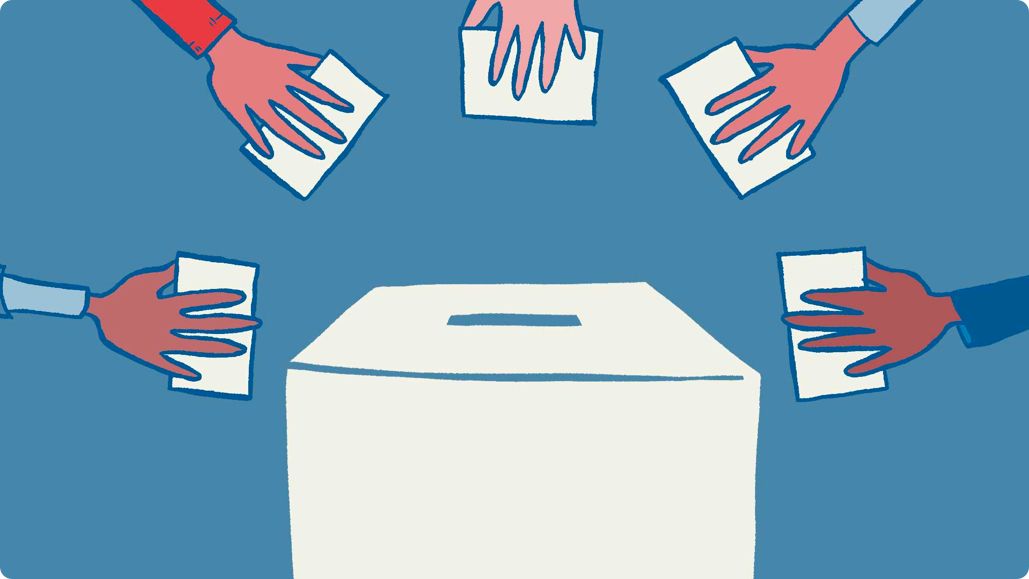
Freebies are a form of incentives. And it is a common known fact that people respond to incentives. We’ve been taught to respond to incentives from a young age. If you break a rule in school, you’re suspended. If you stay out after your curfew, you’re grounded. The political parties, here, are incentivizing people to vote for them. Freebies are often tiny objects with an astonishing power to change the situation, at least in theory. The political parties use it to get what they want.
The use of freebies in the election process raises a lot of questions. Is it legal? Should political parties engage in freebies? Do freebies really impact the election result?
There’s two sides to every story. Let’s look at the positive side of this one.
Freebies and other benefits given to the people help create demand. The multiplier effect comes into play. This effect states that an increase in spending, causes an increase in consumption and national income greater than the initial amount spent.
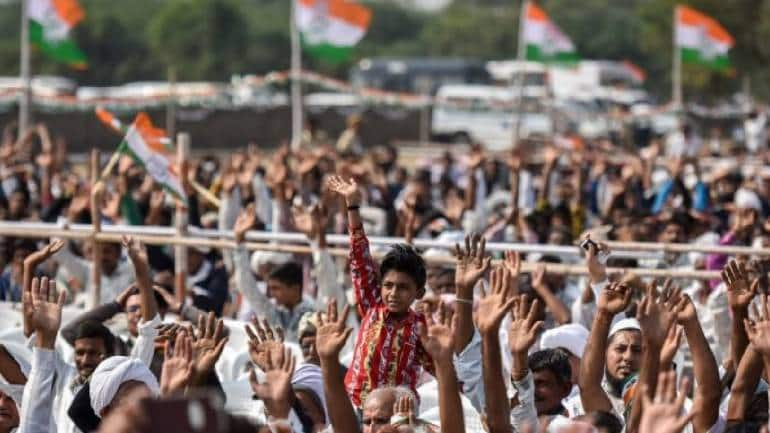
They also ensure that the voters can stay afloat in a fiercely difficult economic environment and underdeveloped areas. In states that have a comparatively lower level of development, freebies become a need and they are an integral part of the upliftment of those people.
They play an important role in fulfilling the expectations of the voters. People expect political parties to bring about a positive change. In less developed areas, the expectation is connectivity, growth expansion. And in developed areas, they expect them to maintain the level of development or take it up a notch. Upon the emergence of elections, these promises give the people an idea about the thinking of the parties. Further, when people from other states (with different ruling parties) get freebies and you don’t, it’s disappointing. So, they help meet comparative expectations.
Freebies has more to do with needs than wants. So why does the need for freebies arise? The economic policies in our country haven’t been able to pull people out of poverty and provide everyone with a basic standard of living. A large percentage of the population is unemployed, and this was made worse because of the pandemic. If people aren’t in a situation to afford 2 square meals a day, these promises by political parties seem very attractive. Note that these promises aren’t directed to those living in metro cities and the upper-middle class and the upper class.

However, meeting these promises made during the time of elections burdens the government’s finances. This brings us to the other side of the story. Offering freebies, ultimately, has an impact on the money available to spend on the public. Most of the Indian states do not have robust financial health and have limited sources of revenue, the main one being tax paid by people. When a party comes in power, they pay the freebies out of the state’s budget. They don’t have a separate allocation for it in the budget, so it’s an extra expenditure which will increase the revenue deficit. Also, since taxes are a large percentage of their revenue, it means that the people themselves are paying for it! Remember, there is no such thing as a free lunch.
According to a review by the Reserve Bank of India (RBI) on “State Finances: A Study of Budgets,” the combined fiscal deficit (excess of total expenditure over total receipts) of all the states has been consistently rising from 1.93% of GSDP in 2011-12 to 2.6% in 2014-15 and 3.1% during 2015-16 and further to 3.5% in 2016-17. It touched a whopping 4.6% in 2020-21 as against the 3% threshold required to be maintained under the Fiscal Responsibility and Budget Management Act (FRBM) (source: RBI Report).
UP’s capital expenditure in 2020-21 was 16% lower than the budgetary outlay, which is a sign of strained finances. In Punjab, experts led by Montek Singh Ahluwalia, warned that the its capital outlay at 0.7% of the Gross State Domestic Product (GSDP) was the lowest and subsidy burden was the highest among similar states (source: Adda247) . Under this scenario, states giving unviable freebies will end up hurting citizens in the long run. Honorable CJI Shri NV Ramana commented, “It’s a serious issue. The freebies budget goes beyond the regular budget… sometimes it’s not a level paying field for some parties.”
In the assembly elections in 2021, the election commission seized cash, liquor, drugs, precious metals and other freebies worth ₹1,001.43 crore meant for distribution to voters in the ongoing assembly elections. It crossed ₹1000 crore for the first time in any Assembly electoral process, according to the EC (source: The Hindu). The amount spent on freebies is increasing each year and the competition is becoming more intense, and each political party is trying to beat the other. Thus creating an unfair playing field for those candidates who don’t have as much money or funding.
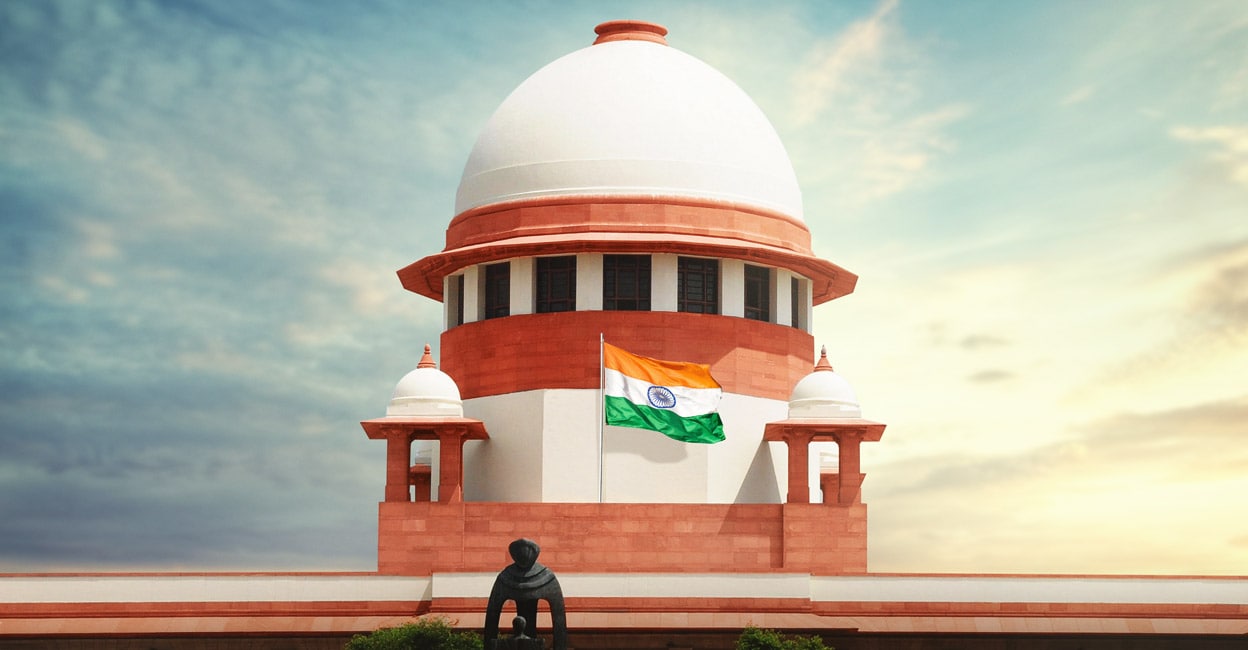
There have been ongoing debates about whether or not freebies should be used in elections. A petition that talked about the lack of implementation of freebies was filed in the supreme court. The petitioner, Ashwini Kumar Upadhyay, contended that the offer of those freebies amounted to bribery and undue influence. He said that arbitrary promises of irrational freebies violate the ECI’s mandate for free and fair elections. The Supreme Court of India gave a ruling in favour of offering of freebies. They said it’s not a corrupt practice as it is mentioned in the election manifesto.
India isn’t the only country where this practice is common in elections. Various countries have come up with various methods to maintain fairness in electoral competition among political parties. In the United Kingdom, the electoral authority has the power to issue specific guidelines for manifestos as part of the campaign material. In the USA, political parties have developed an internal mechanism to govern the charter of the party. In some Asian countries like Bhutan, the Election Commission has the power to approve the content of an election manifesto before it’s in circulation for mass consumption. (Election manifesto is a document containing the promises made to voters).
See, freebies aren’t that bad. It is a part of social welfare. However, using freebies to lure the voters undermines the democracy. It clouds the voters’ judgement in choosing a good leader, because they vote on the basis of who is offering them more free stuff.
While offering freebies, political parties should focus more on providing the citizens with free healthcare, free education, offering free meals at school, welfare schemes targeted at the right people will lead to development of human resources and benefit the population and state more in the long term. Infrastructure and development will follow. As they say, “give a man a fish and you feed him for a day. Teach a man to fish and you feed him for a lifetime.” That’s the approach political parties should have while framing their election manifesto and they should be held accountable for it.



 The Echo-nomist
Leave a comment