

A comedian turned prime minister, invasion of a country, airstrikes, casualties, weeks of tension whose tremors can be felt across the globe and a tough time for people.
Here’s a brief on the Russia-Ukraine crisis.
After the Soviet Union collapsed in 1991, East European countries including Estonia, Poland, Czech Republic etc. moved away from the Russian sphere of influence to join NATO. The North Atlantic Treaty Organisation (NATO) is a military alliance of a group of 30 European and North American countries (US, UK, France, Germany included). Unlike the other East European countries, Ukraine maintained close ties with Russia. At the time of the split, Ukraine had the third largest atomic arsenal in the world. US and Russia worked together with Ukraine to denuclearize the country. After a lot of convincing and a series of diplomatic agreements, Kyiv gave its hundreds of nuclear warheads back to Russia in exchange for security assurances and protection.
These assurances were put to test in 2014 when Russia invaded Ukraine. They annexed the Crimean Peninsula and backed a rebellion led by pro-Russia separatists in the Donbas region. Russia’s assault grew out of mass protests in Ukraine that overthrew the country’s pro-Russian President Viktor Yanukovych. Since 2014, Ukraine’s presidents haven’t exactly been pro-Russian. From 2014-19 Petro Poroshenko was the president, followed by Volodymyr Zelensky who is the current president.

Now, Ukraine wants to join NATO. The United States, who are the arch rivals of Russia, also happen to be a part of this group. NATO, too, is open to making Ukraine its member which annoyed Russia. There’s multiple reasons for that. If Ukraine becomes a part of the group, it will expand NATO’s footprints to Russia’s borders. Also, Ukraine will be eligible for military backing and collective support by all the members in case of any attack. The group has a principle of collective defence, which states that NATO considers an attack against one or several of its members as an attack against all. NATO really said “we got your back!”
Russia is therefore demanding the West to pull NATO forces out of eastern Europe and never expand into Ukraine. They demanded that NATO shall not deploy military forces and weaponry on the territory of any other states in Europe and refrain from further enlargement of the organisation. But they didn’t want to cede to these requests as the group believes any sovereign country should have the right to decide its own fate.
There were talks, but that didn’t help. Diplomatic solutions couldn’t bear fruit. Tension peaked and had to be released at some point. Thus, the invasion.
The invasion is definitely impacting Russia and Ukraine’s economy. But it is also affecting the economies of countries around the world, including India and it’s affecting financial markets from NYSE and NASDAQ to NSE.
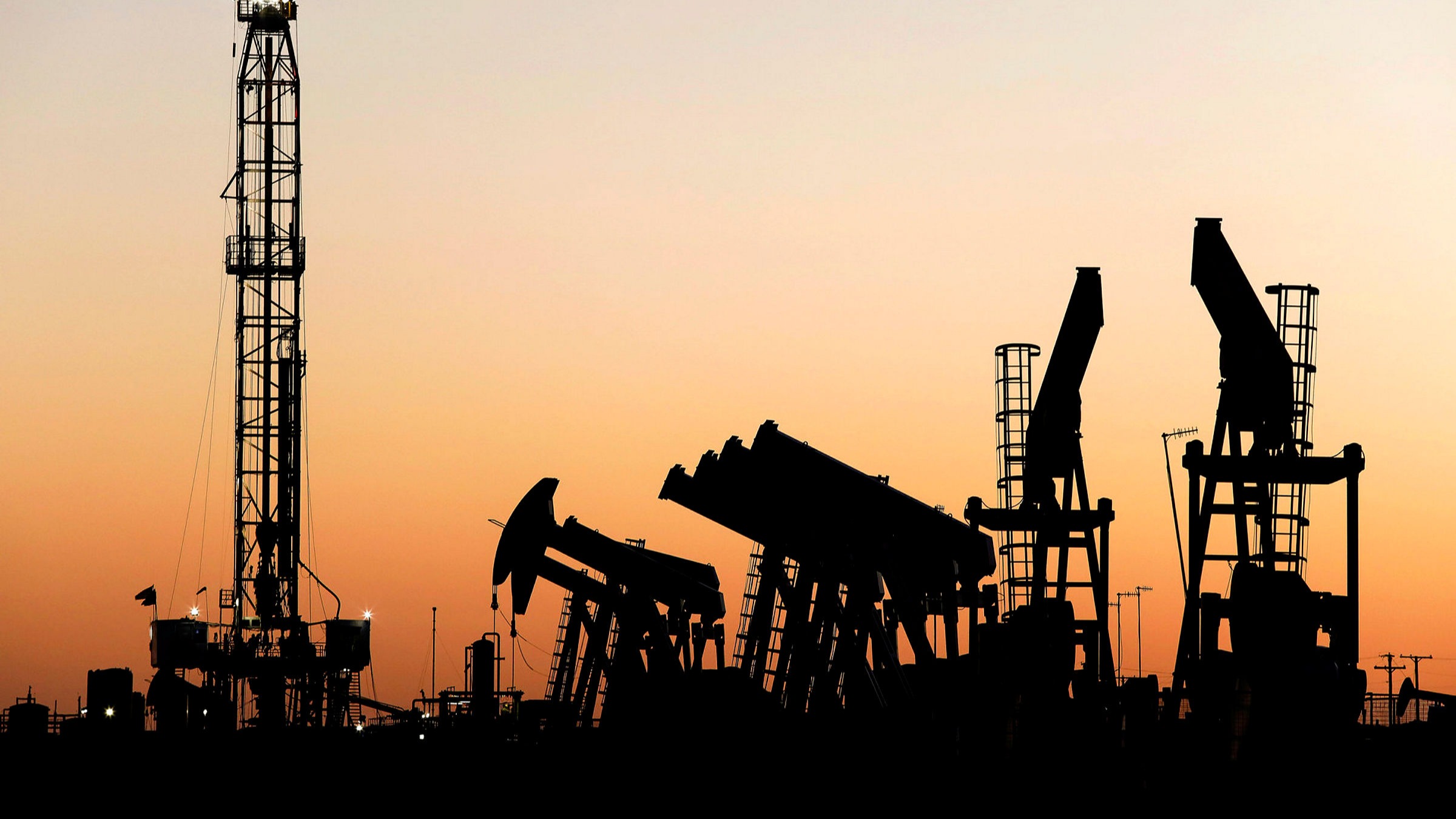
Crude oil prices have soared as Brent oil surged to $100 for the first time since 2014. Russia is the world’s second largest oil producer, which mainly sells crude to European refineries. They’re also the largest supplier of natural gas to Europe providing about 35% of its supply. Russia accounts for one is ever 10 barrels of oil consumed globally (source: Mint). Worries about a squeeze in the oil supplies from Russia pushed the prices up, as it reached higher than $113 (source: BBC).
However, there was some relief in the prices of Brent oil after indications that Russian oil and gas would not be covered in the sanctions covered by NATO and its allies. You’ve got to be a little selfish in today’s world. The Western powers are trying to ensure that the prices of oil don’t go through the roof. A squeeze in the supply of oil will add to the already high prices and result in greater inflationary pressures around the world. Members of the International Energy Agency (IAE), which include the United States and Japan, agreed to release 60 million barrels of crude oil from their reserves in another attempt to control the sharp rise in prices. However, this news had an effect opposite to what they had expected. The prices rose! The reserves they agreed to release is equivalent to less than one day of worldwide oil consumption. It caused worry in the markets that the supply will be inadequate in the near future, causing a rise in prices, again.
Paint companies use crude oil derivatives such as monomers and titanium dioxide as raw materials, which account for more than 50% of a company’s total expense. As we reported earlier, the paint industry is already facing difficulties because of a rise in price of raw materials. This could worsen the situation for paint companies since they can’t push the entire extra cost on the consumers. Similarly, crude derivatives are also used in the manufacturing of tires and account for about 30% of the total manufacturing cost.
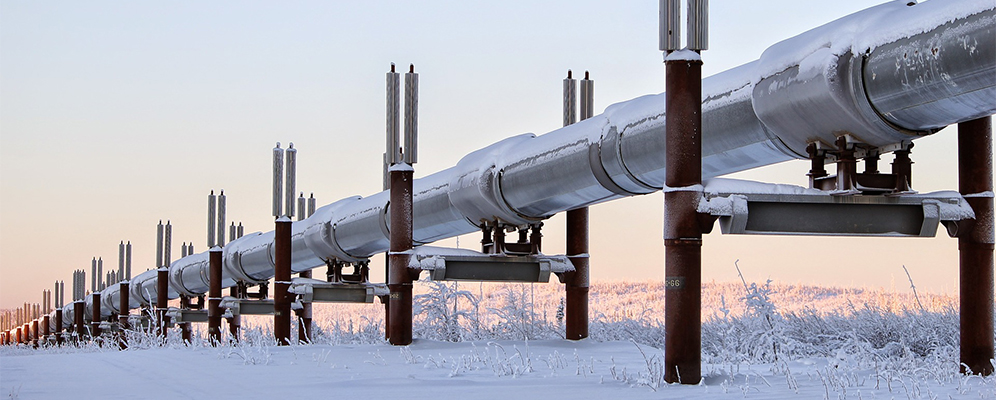
Other than this, much of Europe is still dependent on oil and gas (the price of natural gas also jumped more than 60%) imported mainly from Russia. Fuel in cars and gas/energy for heating and electricity are integral to run households (the world isn’t exactly close to their zero emission goals). Sustained increase in oil prices would add to inflation and hit consumers. The price of energy will rise in Europe and US. India already runs trade deficit with Russia. Since oil makes up a major part of our import basket from Russia, a rise in its prices will only increase the deficit.
This is on the crude oil front. One of the biggest economic impacts of this invasion in Ukraine, especially for India, is edible oil. More specifically, sunflower oil.
India imports more edible oil than any other nation on the Earth. You know, with our population of over 1 billion people and the use of oil in the food we cook. According to latest data, each Indian consumed 19.5 kg of edible oil every year on an average during 2015-16, up from 15.8 kg in 2012-13. That doesn’t sound very healthy but it amounts to an aggregate demand of around 26 million tons of edible oil each year. In 2019, India imported around 15 million tons of edible oil, worth approximately ₹7,300 crore. It accounted for 40% of the agricultural import bill and 3% of the overall import bill of the country (source: Down to Earth). Point being India imports edible oil, lots of it.

You’ve probably seen sunflower oil ads on TV or heard of the brands Sundrop, Saffola, Sungold. That same sunflower oil is imported from Russia and Ukraine. And it’s not just India! Russia and Ukraine account for almost 80% of the world’s sunflower shipments. And since sunflower oil is an essential ingredient for potato chips and cosmetic manufacturers, they could face shortages. Shipments of more than 350,000 tonnes of sunflower oil to India are at risk due to Russia’s attack on Ukraine. If you were wondering about the next crisis, it might be sunflower. The attack disrupted the logistics and loading at some ports.
Talking about interrupted loading at ports, the invasion at Ukraine is worsening the pre-existing supply-chain shortage. Ukraine is a very strategically places country at the nexus of Europe and Asia. The clash between the two countries has caused some flights to be cancelled or rerouted, putting pressure on cargo capacity. It is putting global suppliers of products like aluminum, platinum, sunflower oil, steel etc. at risk. Rerouting flights requires more fuel in flights, which leads to increased shipment cost especially because of the soaring prices of oil. Besides, US is still dealing with port congestion and this situation will only add to it.

Automakers are already feeling the effects of the invasion. Volkswagen said that the shortage of parts would force it to slow down production at its main factory in Wolfsburg and several other German plants. BMV said it would curtail production facilities at Germany, Austria and Britain. Since Russia and Ukraine are produce a substantial amount of palladium, platinum, neon, xenon etc. These also happen to be the raw material required for manufacturing semiconductors. Ah yes, the chip shortage. The chip shortage wasn’t close to being sorted before it was hit with another blow due to Russia’s clash with Ukraine.
If the conflict is prolonged, the summer wheat harvest of Ukraine will be disrupted. The effect of this will be felt in bread, pasta, and packaged food for a vast number of people especially in Europe, North Africa and the Middle East.
Modern times call for modern measures
The Russia-Ukraine involves hard power, for sure. But it’s also a war being fought with crypto. the invasion boosted demand for crypto on both sides, helping to lift the price of Bitcoin nearly 25% since the start of of Russia’s invasion. Decentralized finance (DeFi) is now in the middle of a major military conflict. Ukraine has raised over $35 million in crypto to finance its operations after Ukraine’s vice PM tweeted a link to a digital wallet. Donations poured in from around the world. This amount is miserly compared to the $270 million it raised from war bonds but it’s still something unheard of.
Western powers have imposed a lot of sanctions on Russia which has made it difficult for them to carry out transactions in US dollars and other major currencies. Their access to the global banking system is almost frozen and its currency is nearly worthless. However, they can still use Bitcoin! Crypto transactions are harder to block, which is why Russia can use crypto to try to balance out the damage caused by sanctions.
Ukraine officials did try to stop Russia from transacting in crypto. They asked crypto exchanges to bar all Russian users from their platform. But Coinbase, Kraken and Binance refused to do so. Kraken’s CEO, Jesse Powell, said a ban would contradict bitcoin’s “libertarian views.”
Crypto could change the way modern wars are fought and financed by providing a new, much faster alternative to move money securely.
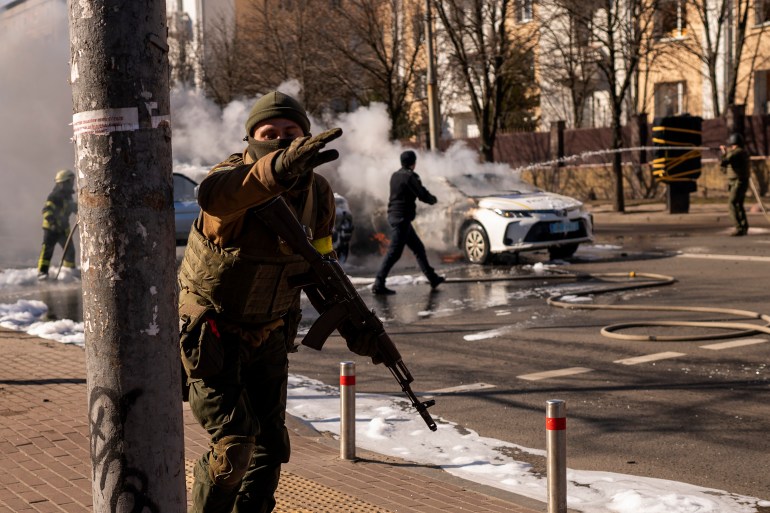
We have mentioned some of the ways in which the economy has already impacted economies, but the effects are more far reaching than what we’ve mentioned. Because the world economies are becoming increasingly integrated, if one country veers off the road, it initiates a domino affect. Just how big an impact this conflict will have on the global economies depends on its length and scope, the severity of western sanctions, and the possibility than Russia might retaliate with sanctions of their own.




 The Echo-nomist
Leave a comment