

It’s that time of the year again, it’s IPL season!
This year, the season will bigger, bolder and stronger because of the introduction of two new teams. You can now take your pick from a total of 10 IPL teams. Obviously, two more teams means more matches, greater competition and also, extra money 🤑,
For those who doesn’t know, the Indian Premier League (IPL), first debuted in 2008, is a professional Twenty20 cricket league organised by the Board of Cricket Control in India (BCCI) on the lines of NBA and the English Premier League. Previously, we’ve talked about how the IPL has an impact on the Indian economy (and for the past two years on UAE’s economy) and the business impact of the league (think: advertising, tourism, streaming rights, title sponsors etc.).

This year, Lucknow Super Giants and Gujrat Titans will bring something more to the economy and business of IPL.
In October 2021, an auction for two new teams were held. The base price was set at a modest ₹2,000 crores, and the bids they received left everyone’s jaw on the floor (what did they really expect though?). We saw entrepreneur Sanjiv Goenka-led RPSG Group buy the rights for the Lucknow city team for a whopping ₹7090 crores, while the second team from Ahmedabad was bought by Luxembourg-based CVC Capital Partners for ₹5625 crores.
Just to give you an idea, the Mumbai Indians team was sold to Mukesh Ambani for merely ₹450 crores in 2008 (at the time of IPL’s inception) and it was the costliest team in the league back then. That is ₹6640 crores less than what the costliest team in the fray paid now. This shows us how much the league has grown in the past 15 years. It’s a testament of IPL’s commercial trajectory and faith in the league by big international players such as CVC Capital Partners that have presence in Formula 1 and Rugby.

The game of cricket is an uncertain one, but it’s economy is the exact opposite. The stock market fluctuates every minute, the prices of cryptocurrency are anything but stable but the value of cricket keeps inching north. Despite all the controversies, scandals, conflict their value remains undamaged. It just comes out stronger… and richer.
From a cricketing point of view, additional teams will provide the players and supporting staff with more opportunities. It will help in discovering new and young talent, who might have the potential to play internationally for India. Some great performances can be seen in the domestic tournaments such as Ranji, where first-class cricketers emerge. Often they don’t get an opportunity in IPL but with 2 new teams they have a greater chance of getting noticed. More international players will also be invited to play in the league. New teams will provide more opportunities for captaincy, giving youngsters a chance to lead a team and gain leadership experience which will aid their performance and skills in international cricket.
It’s also great for expanding the fanbase. Gujrat and UP are big states who love their cricket. In fact, UP is the most populated state in India. Now that’s a fanbase that was necessary to tap into.
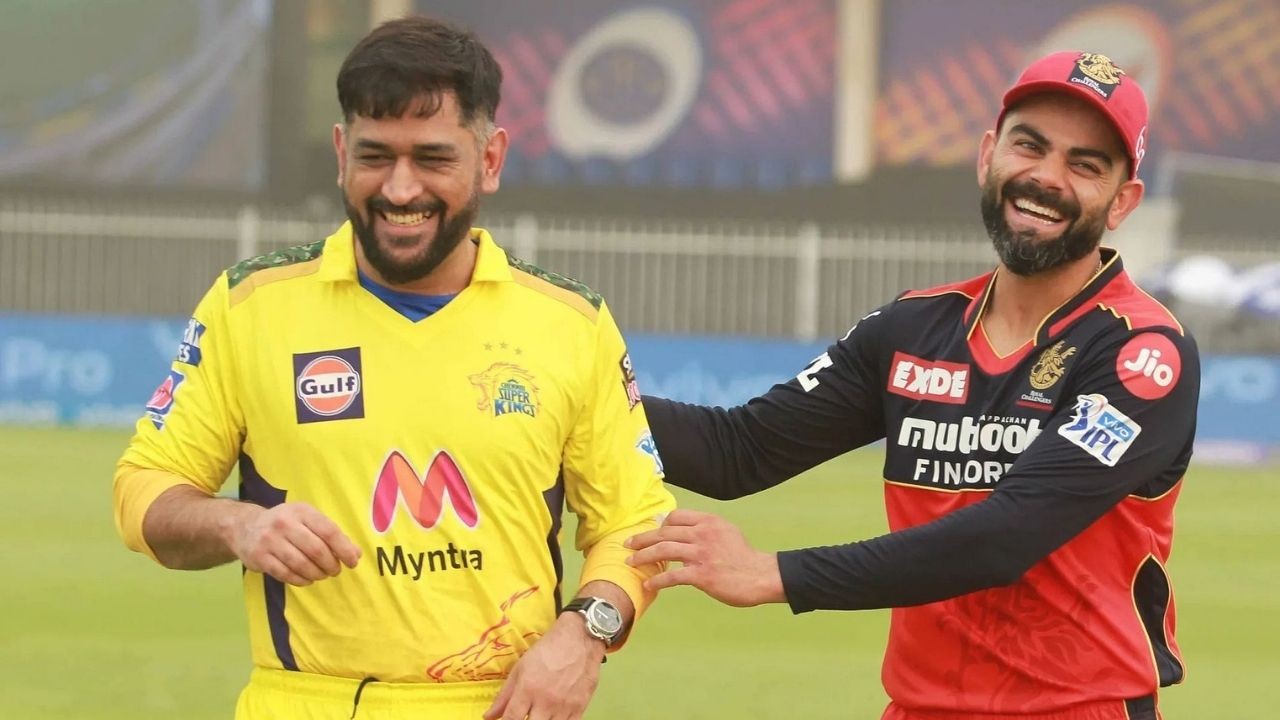
IPL Ecosystem
From a money perspective, this will provide a boon to the already hefty valuation of the league. In 2020, as per Duff and Phelps, the value of the IPL ecosystem was a whopping ₹45,800 crore (approx. $6.2 billion), which will see a surge in the current year.
In the IPL ecosystem, the brand value is derived from a wide variety of reasons keeping in mind the Indian viewers’ vernacular bent, cricketing knowledge and celebrity influence. They’re also dependent on the ability of the team to attract great talent (think: Virat Kohli and ABD in RCB, Captain Cool in CSK, Rohit Sharma in MI etc.). This is evident as Manchester United, Real Madrid, Barcelona, New York Yankees, Dallas Cowboys, Los Angeles Lakers have become the sought-after brands by advertisers and represent brand values in billions of dollars.
Boost in Tourism
IPL invites players from across countries. There are foreign coaches and physiotherapists and players and staff members from other states. If we were to estimate, there are over 40 international cricketers and coaches, an equal number or more in support staff for the franchises they play in, close to hundred international sports journalists and media personnel, friends and family of the athletes, and not to mention, the international fans of the sports and players.
The IPL does a successful job in bringing an influx of international travelers from all over the world. Cox and Kings, a travel company, recently notes that their travel revenue from India increased a whopping 30% due to IPL. From flights, hotels stays, hospitality, training facilities, dining to non-sporting extrusions everything brings in a lot of money for the host cities and those involved.
GDP Contribution
In 2015, a sports advisory group Klynveld Peat Marwick Goerdeler, conducted a survey on BCCI’s request about the contribution of the sports league to the Gross Domestic Product (GDP) of India. It reported that the 60-day IPL back then contributed ₹1,150 crore to the economy. Even without the additional teams, the number is ought to have increased manifold considering the rate at which the value of IPL is appreciating. With a new format and 10 teams, there will be 74 matches in the tournament. This will only jack up the valuation and money invested in the game. Which means, greater contribution to the GDP and more income for the country and BCCI. Win-win.
Rise in Taxes
Before the start of IPL, BCCI didn’t earn that much money. They were considered a “charitable organisation” and didn’t have to pay any taxes. Then they started the Indian Premier League which was a huge success and raked in thousands of crores worth of income. The government was missing out on all this easy money, so the Income Tax department decided to declare the league as a commercial activity and hence, tax the BCCI for every penny it earned through the league. Ever since, they have been shelling out more than ₹350 crore in taxes every year and this number is about to rise in 2022. More teams, more matches, greater income from ticket sales (audience is allowed in stadiums with an occupancy rate less than 50%), broadcaster rights, advertisers etc.
Employment opportunities
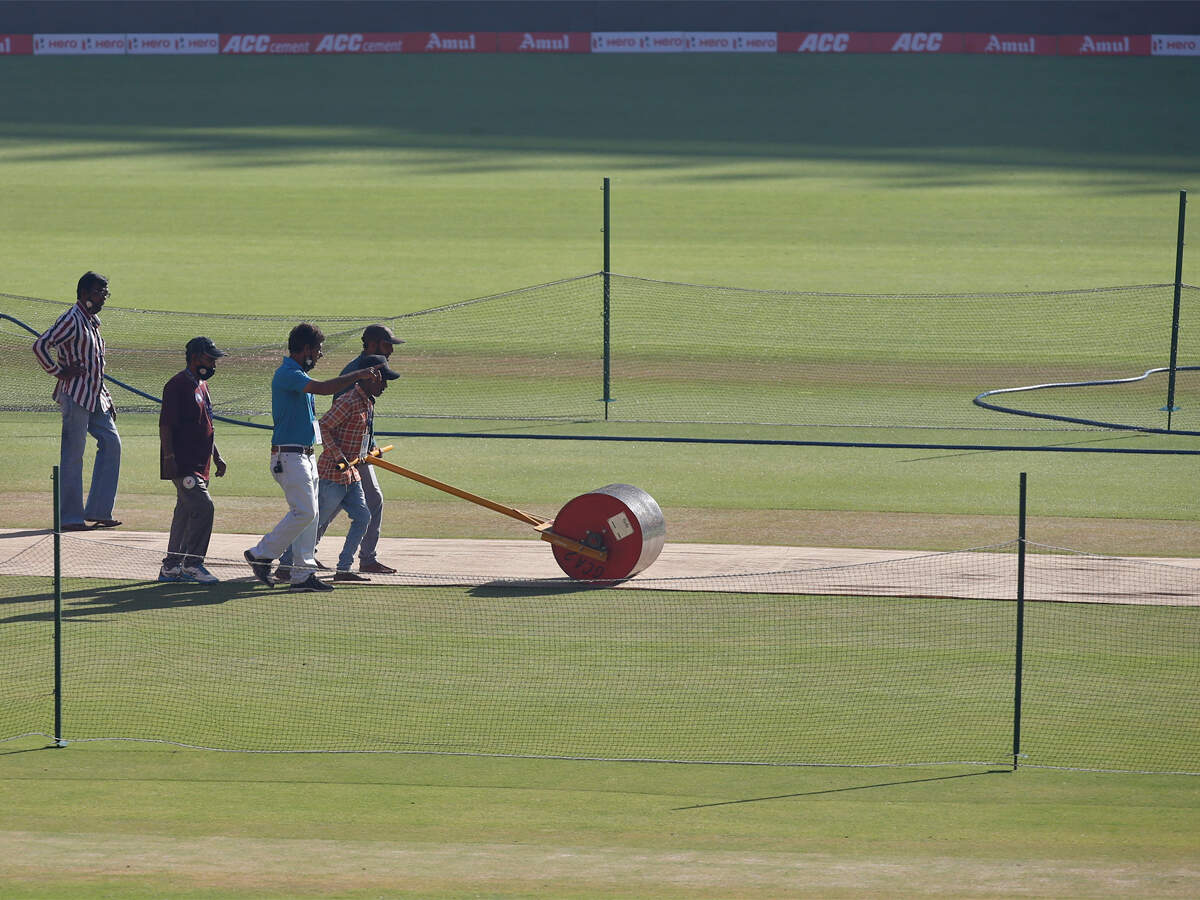
IPL involves a lot of people other than players and supporting staff. There are local gardeners to work on cricket grounds, data science engineers to crunch up the numbers and data real time, cameramen, security etc. Usually, the employees and contractors hired by the league experts are based out of India. In this aspect, the league always puts India first. Self sufficiency, am I right?
This leads to generation of millions of job opportunities in both, the formal and the informal sector. While a majority of the jobs created are in the informal sector, the requirement for formal sector workers isn’t absent. Two extra franchises opens up a lot of extra opportunities. Each team needs its own drivers, chauffer’s, dietician, social media persons etc.
Commercial gains
Each franchise is a mini economy in itself. New teams and more matches are expected to make TV and streaming rights even costlier. Star made a deal which ends this year. They paid $2.5 billion (₹16,347.5 crore) for TV and digital rights for the current five-year cycle. The broadcaster rights for the period 2023-27 period will have to pony up to $4-5 billion for the privilege of telecasting one of the biggest festivals in the country. A big reason for this is an increase in the matches from 60 to 74, other than the bigger pool of teams. And with 4 billion viewing minute recorded last season, I think they’re on track to set a record. We’ll get to witness an another interesting bid for these rights. Everybody’s got a bidder on speed dial!
The advertisers are also all for the 10-team format because their ads will be displayed for a longer period of time. The ads we use to see over and over for 60 matches, will now be displayed for more than 70 matches. It goes without saying that the cost for an ad slot will go up.
In the end, it all comes down to demand and supply. There is a premium in owning an IPL team because it has a barrier to entry and the league has a cap of 10 teams. Exclusivity and lack of supply will drive price. Not to mention, the massive non-economic benefits of owning a team (think: contacts, networking media attention, brand reputation, image building, bragging rights etc.). अभी के लिए, यह हम कर लेते है, आप Dream11 पे टीम बनाओ 😉





 The Echo-nomist
Leave a comment