

The food delivery company, Zomato, came up with a new plan to grow their business- Zomato Instant. Based on the idea of businesses like Zepto and Blinkit, they came up with the idea of 10 minute delivery.
In their blog post announcing this new feature, they wrote about how the consumers are increasingly demanding quicker answers to their needs. Sorting restaurants by fastest delivery time is one of the most used features on the Zomato app. They identified a customer need and wanted to be the first to implement it. The introduction of 10-minute delivery for groceries makes the 30-minute delivery seem slow. Fun fact, Blinkit is one of Zomato’s investments.
Zomato might be on to something here. Logically, such a short delivery time for food has got to be effective. It’s probably more effective than the 10 minute delivery for groceries. You usually plan for 2-3 days or a week while ordering groceries. But you usually order food from outside when it’s not planned. You can’t plan food the way you plan groceries. They will find a demand among bachelors and working persons.
Zomato Instant isn’t that much about the consumer’s need though. It’s more about the competition in the market. They’re probably not the first company to have this idea, but they sure are the first ones to implement it. If they didn’t, someone else would. The food delivery business is a competitive one with Swiggy and Zomato as the biggest players. When they come up with an innovative idea, they have to act before the competitors.
The internet had two different takes on this. On one side, people lauded Zomato for this bold new initiative. But there were others who weren’t so optimistic about their new idea. They were worried the Zomato was putting their delivery folk in danger by setting absurd targets. They also didn’t want Zomato to compromise on the quality of their food. Some of the users said they would much rather have a slower delivery if the food is fresh and well prepared. People gave the same argument to Domino’s a few years ago when they introduced 30-minute delivery.
Dominos’s was the first in the market to promise fast delivery. They promised to deliver your pizza under 30 mins. If it took more time, your order would be free. At the time, people weren’t sure how they were going to achieve this goal of theirs.
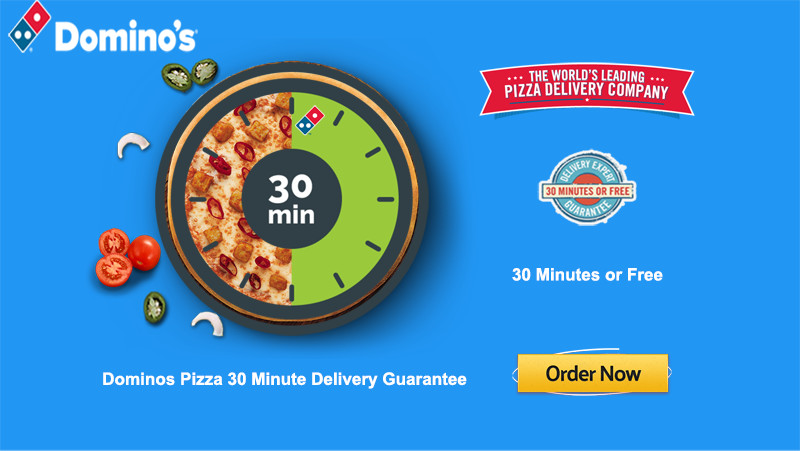
Their plan wasn’t to let their drivers go above the speed limit or risk their lives. In fact, the speed of the drivers’ delivery vehicle was restricted to 45 kmph. They opened stores in dense localities and their drivers memorized every pothole and every traffic light in the city. And by identifying and eliminating every hinderance they faced, they were soon able to achieve the goal of 30-minute delivery.
But it wasn’t just a one thing time, they had to do it over and over. So the utilized a technology to forecast orders. Who knew you’d require math and probability in a pizza biz? For instance, if a customer added a pizza to cart, there’s a 65% chance that they’re going to buy it. If they add an address, the likelihood of buying it rises to 80%. Once they reach the payment page, the probability rose to 95%.
By the time they finally place the order, your pizza will already be in the oven.
Okay but how exactly will this work for Zomato?
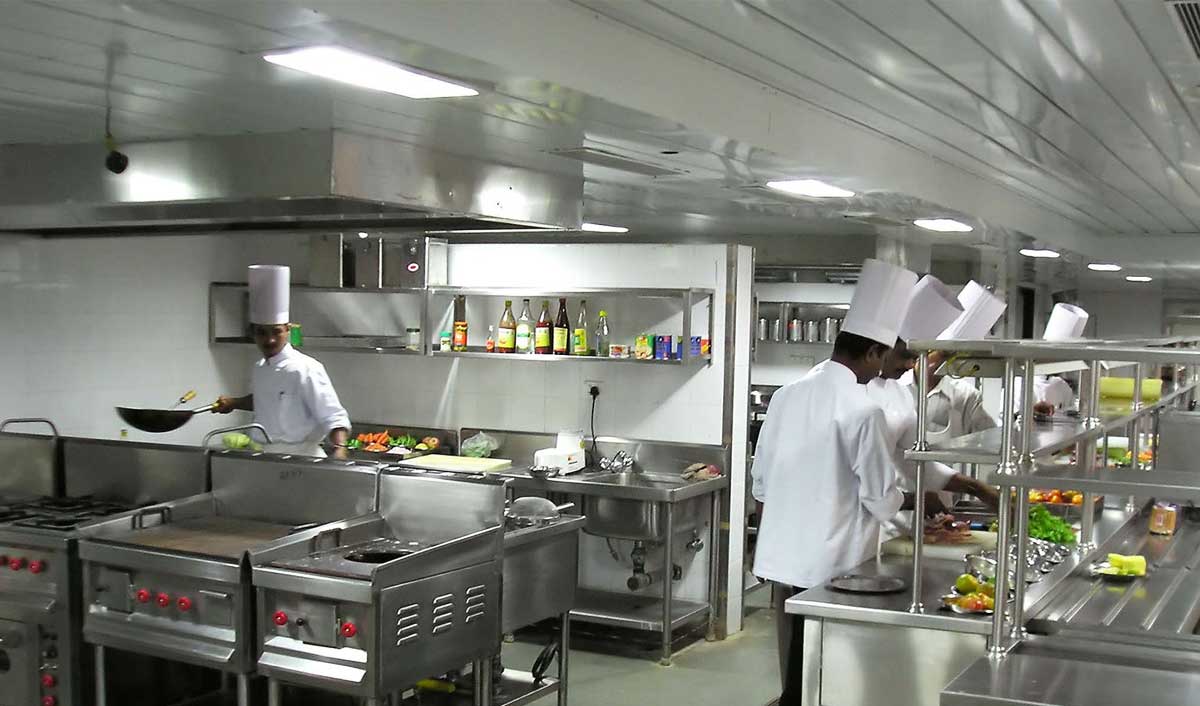
Zomato plans to scatter “finishing stations” with (approximately) 20-30 best selling items from various restaurants based on demand predictability and hyperlocal preferences. The data from 1.35 billion orders will surely be helpful for analysing locality and time trends.
Due to demand predictability, the price for the customers is expected to reduce significantly while maintaining margins and incomes for restaurants and delivery partners.
So they’ll run a cloud kitchen kind of biz with the hot-selling items. For example, they know momos and biryanis are hot favourites. And they can prepare custom menus for micro-communities.
They’ll know what sells and what doesn’t. If people in your locality don’t eat what you eat, then chances are you’ll have to wait a little longer. The 10-minute menu will be different from the normal one.
They are also likely to incorporate automation to expedite stuff. One of their recent investments includes $5 million in Mukunda Foods, a food robotics company and it’s likely they will build on this. They might also leverage Hyperpure, its business-to-business fresh and packaged food ordering platform, to offer quick-to-make foods. They are uniquely positioned to empower the whole food ecosystem with a combination of their investments which will assist them.
Zomato is also claiming that this will not pressurize their delivery partners.
Initially, they will target densely populated urban areas to serve low average order value (AOV) products that can be quickly prepared and delivered (think: ice creams, bakery items, snacks, wraps etc.). It will be piloted at 4 station in Gurgaon in April.
This isn’t the first time delivery platforms tried to crunch delivery times. In 2015, Swiggy tied up with cloud kitchen operators such as Eatongo and Brekkie to deliver food in 15 mins. They were much ahead of the times. However, they faced challenges in unit economics and in serving hot and fresh food and decided to switch back to their normal delivery time until they had it completely figured out.

Around the same time, Ola Café, Ola’s food delivery business, experimented with 10-minute delivery within a specific area. They had 2-3 partner restaurants, dedicated drivers, fixed time slots and limited selection. But the offering didn’t scale up and Ola Café shut down in a year. Ola was also in a head-to-head competition with Uber and saw this as a non-core business, which it exited.
Zomato might have an edge this time, given Swiggy and Ola’s past experiences. Instead of Zomato Instant going down in flames, they can learn a lesson or two about what to do differently. The supply and delivery ecosystem is also much bigger now, having grown exponentially during the pandemic, which works to their advantage.
It looks good on paper, but execution and cost remain key. Only time will tell how effective their system actually is.




 The Echo-nomist
Leave a comment