
Happy women’s day to all the strong women out there!
We thought what’s a better way to celebrate women’s day than looking at some of the inspirational women in the business world.
When I started writing this series on women entrepreneurs, I realised how uncommon it was for women to start a business. Furthermore, most of the women entrepreneurs started their business in recent years. There are extremely few who started their company before the 90s. And no matter when they started their business, it was a tough journey. The common theme in the stories of women entrepreneurs from around the world is the struggle they faced, difficulty in securing funding and people not taking them seriously. On the positive side, the situation has definitely improved over the last few years. There are more women in top management positions as compared to earlier. That being said, let’s look at some of the women who defied all odds and made their business successful!
Kiran Mazumdar Shaw
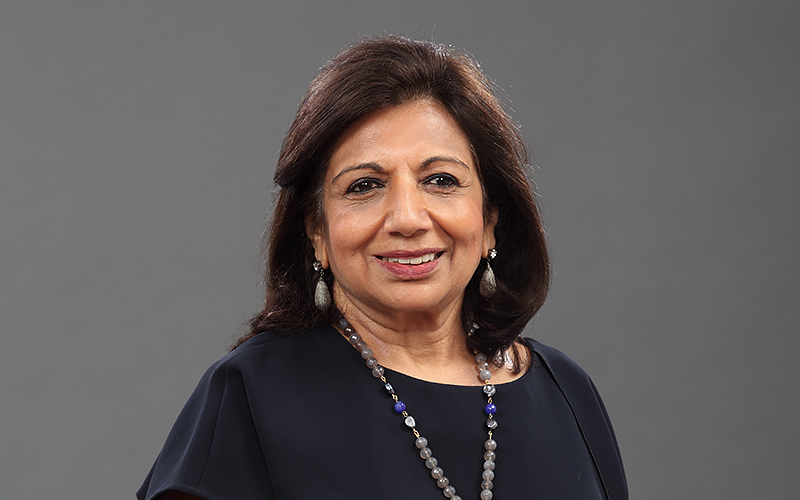
Mazumdar never let gender biases come in her way of becoming a successful entrepreneur. She overcame every hindrance and is an icon for the business of science in India, women and entrepreneurs.
Her childhood in a progressive, middle-class family encouraged her to do something big and accomplish something academically. After a B.S in Zoology and an M.S in brewing, she thought she would have at least a few job offers. But no one hired her because they believed the job was too rough for a woman.
Leslie Auchincloss, the ownder of Biocon Biochemicals in Ireland, wanted to expand operations in India. For that he needed an Indian to set up the company and foreign ownership was to be limited to 30%. And so, she started Biocon with just $10,000 and a plan to produce enzymes for beer, wine, paper, animal feed and detergents.
She had trouble finding employees, banks refused to offer a loan to a woman, landlord’s didn’t rent out an office space to her because they believed she wouldn’t be able to pay the rent consistently and vendors insisted that she bring a male manager if she wanted their merchandise. To say that things were tough for her would be an understatement.
She overcame these challenges and Biocon became the largest producer of insulin in Asia and India’s largest Biotech company. She even took her company public with a very successful debut day!
Read the whole story here.
Linda Alvarado
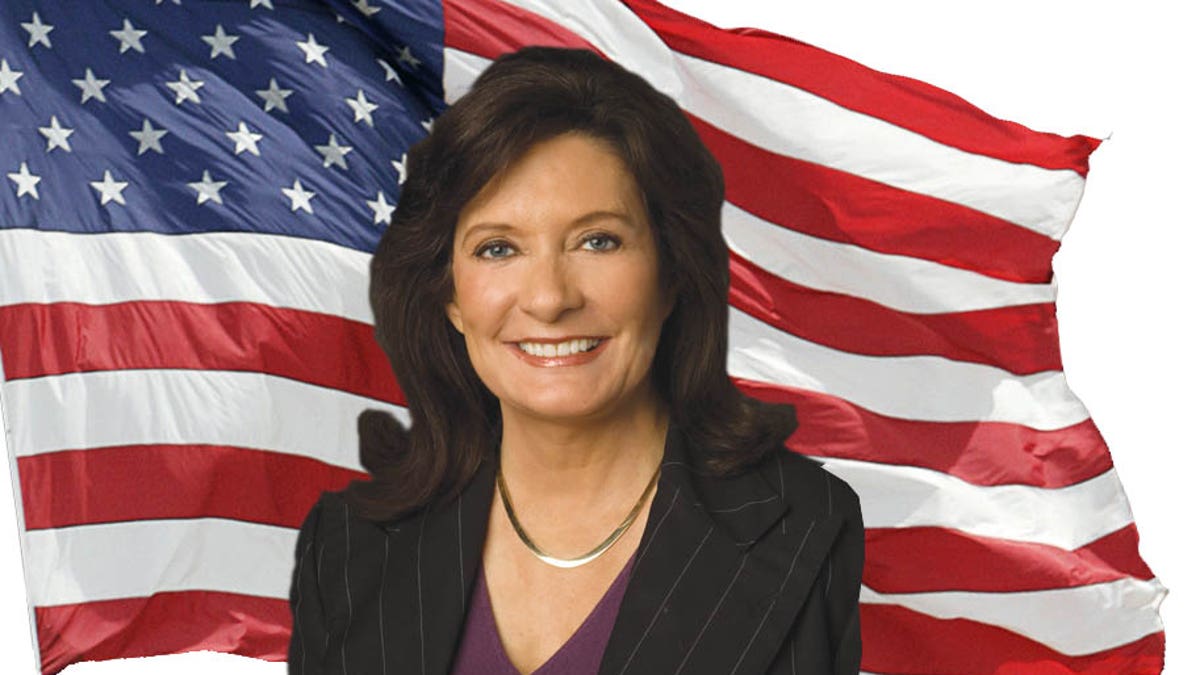
From doing manual labour to becoming one of America’s richest self-made women, Alvarado’s influence and money have only grown. Today, her touch can be seen all over Denver. But nothing came easy to her. She was a woman and a Latina.
She landed a job at a construction management company in Los Angeles after her graduation from college. Being one of the only women, in a largely male dominated environment, she was subject to a lot of discrimination. Despite all the bullying, she enjoyed what she did and realised that she had found her calling in the construction industry. Seeing a building rise from the blueprints was like a metaphor of her dreams becoming a reality.
When she started her own company, she got turned down by 6 banks for a loan. She was able to start her company with $2500 lent to her by her parents (by borrowing against their home at an interest of 24%). Initially, the company worked on projects like pouring gutters and sidewalks and building bus shelters. Eventually, she was able to secure a loan backed by small business administration.
She managed to build a reputation for her company and was hired to work on big projects. However, her reputation took a hit when two ironworkers installing a beam fell to their death while building an office tower at Denver airport. She faced investigations and had to work hard to rebuild her reputation.
Today, her company has offices across states and are responsible for many big, multi-million-dollar commercial developments like Bronco Stadium. She also made history as the first Latino (male or female) owner of a Major League Baseball Team, the Colorado Rockies. It was also the first time a woman was in a bid for ownership of a major league franchise. She faced discrimination and sexism at almost every turn. Despite that, she didn’t give up. Now, she’s a successful woman entrepreneur who has made history more than once. Read the whole story here.
Debbi Fields

Being the perfect wife, hosting visitors and making polite conversations isn’t every woman’s dream. To achieve her dream, Debbi Fields made a business out of her cookie recipe.
She had been baking cookies since she was a 13-year old child. She didn’t always like what her mother cooked but she did like these cookies. Her family didn’t have a lot of money so growing up she used budgeted and inexpensive ingredients. When she got her first pay check, she used real butter and chocolate to make her cookies and was obsessed. She spent the next few months perfecting the cookie recipe.
Once she finally had it, she embarked on a journey to secure funding from her husband’s business acquaintances. With a moth full of cookies, they said it was a bad idea and that it would never work. She got rejected by many banks after finally securing a loan with an interest rate of 21%!
She introduced soft and larger than normal cookies in a market where consumers preferred crispy cookies. Her husband bet that she couldn’t make $50 in sales on the first day and she proved him wrong by making sales of $75. The word went around and she quickly gained popularity among market goers and locals. Warren Simons offered her a space for a second shop a year after the first in the Pier 39 shopping area! She took him up on that offer a year later. She believed in making her customers feel important.
The growth of her business doesn’t end there. Debbi took her business to foreign countries and her husband developed a management system for restaurant./fast-food managers which was used by Burger King. To read the entire story, click here.
Vandana Luthra
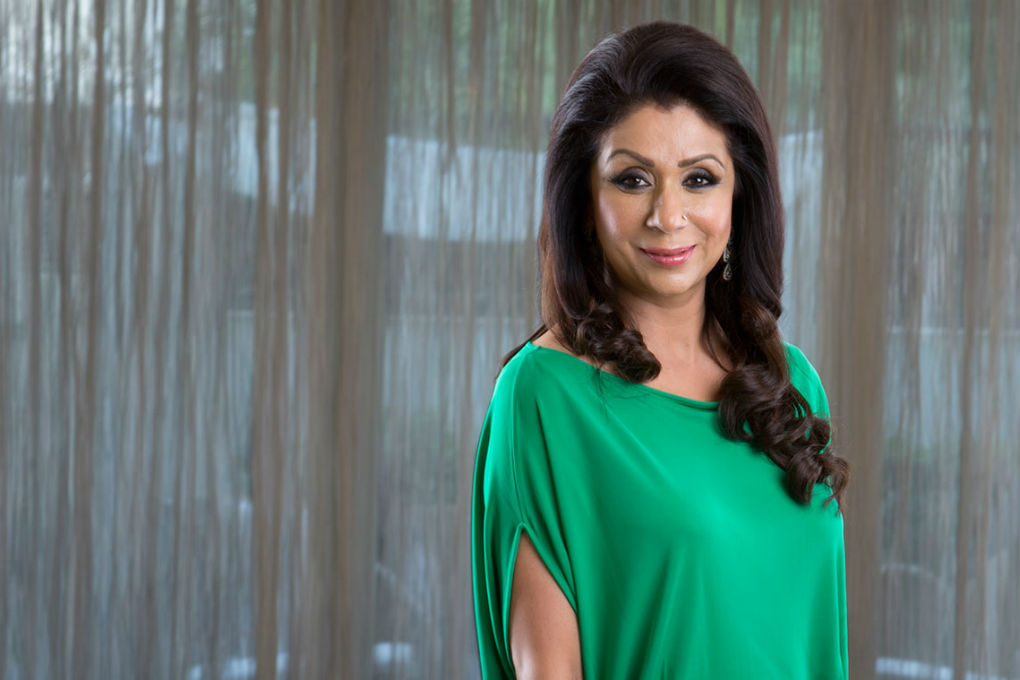
VLCC is one of the most renowned health, wellness and beauty services in India founded by Vandana Luthra. Hers is an inspiring story about beating all odds. She became a successful entrepreneur despite the male-dominated start-up environment and took her company to new heights. All while taking care of the house as well.
She had to leave her three-year old daughter during the day to start her business. This was criticized by many around her but she convinced them that she had a vision and that it was okay. Her husband was with her every step of the way and offered to fund her startup. However, she was determined to make it on her own. She managed to secure a loan of ₹3,00,000, with which she bought an old loss-making beauty parlor in South Delhi and with just three employees, she set up her first centre.
Luthra’s business gained popularity as a household brand. She managed to change the taboo associated with the wellness industry. People used to see her as a ‘beauty parlor-wali’ which has changed now. They introduced a concept where everything was under an umbrella.
They helped customers believe in themselves and spread the message of body positivity. Happy and satisfied customers spread the word for them thus increasing brand awareness. Their offers were getting sold out quickly and her team had to work overtime to manage the traffic. It took five to six years to convince the medical fraternity, but she was persistent and determined. Now 60% of VLCC’s clients are referred by doctors.
She was able to overcome all the hardships and expand her business operations in more than 153 countries pan India. VLCC has spread its wings outside India with a presence in 16 countries. They even expanded their services and now run the largest vocational academy network in Asia in the fields of beauty and nutrition. Her story is inspiring for women around the world. She spotted an opportunity and popularised an entire industry in India. To read her entire story, click here.
Arianna Huffington
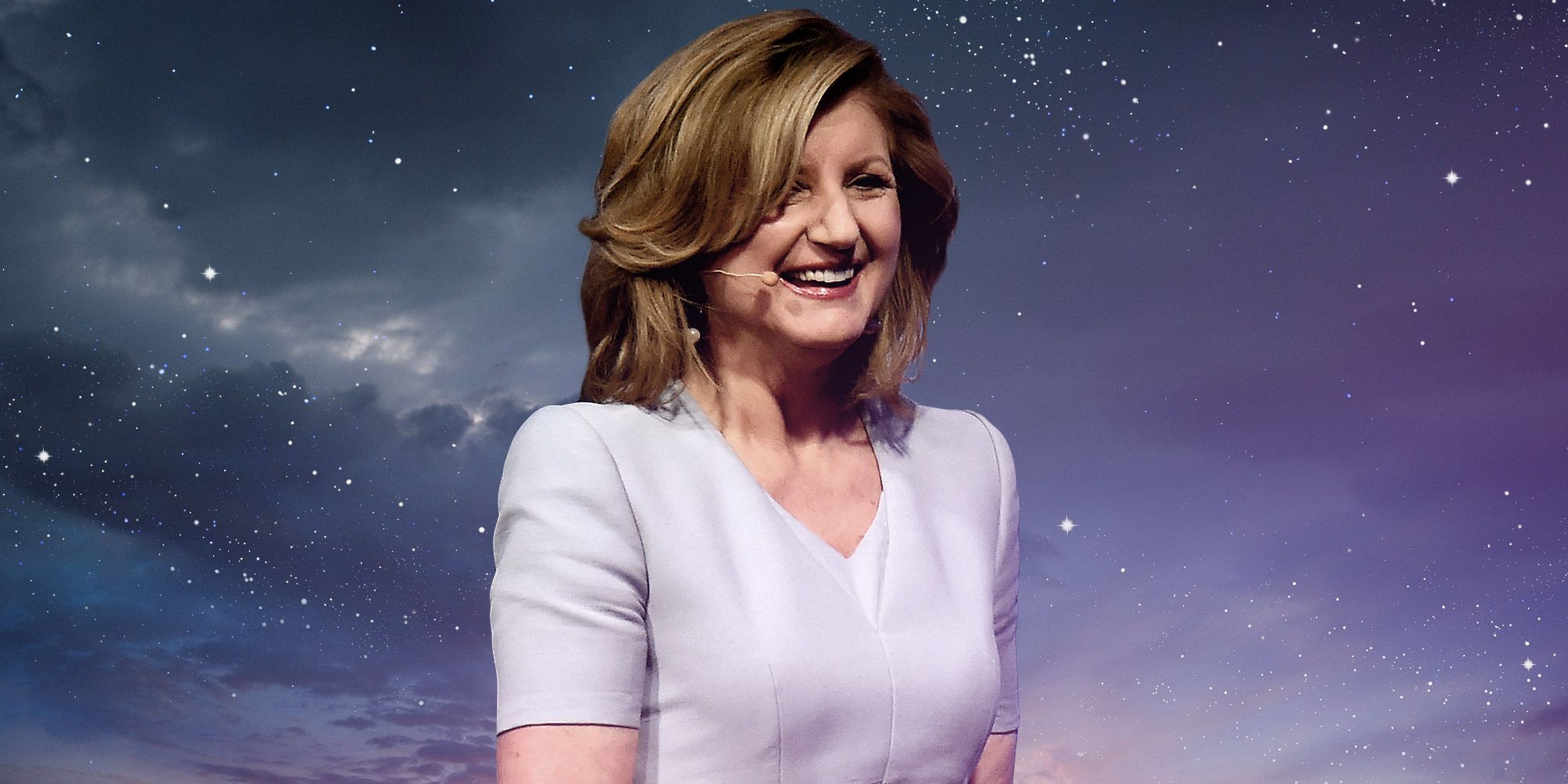
She’s the woman who started The Huffington Post. Arianna is a Greek-American author, columnist, businesswoman and entrepreneur. She is the co-founder of The Huffington Post and the founder and CEO of Thrive Global. She’s had her fair share of ups and downs on the path to get to where she is today.
She always followed the advice her mother gave to her as a teenager– “failure is not the opposite of success, it’s a stepping stone to success.“
In a discussion about the role of media in the presidential elections of ’04, she met Ken Lerer. They discussed about creating a news + blog collection, thus leading to the beginning of something great. With the help of Jonah Peretti and Andrew Breitbart, they founded HuffPost. Along with raising her two teenage daughters, she worked on a book and came up with ideas which resulted in the HuffPost’s success.
To fulfill all her duties and obligations she used to work extra hours and compromised on sleep. It got so serious, that one day she collapsed in her office, hit her head and broke her collarbone. She woke up in a pool of her own blood and realised the need for sleep. She talked to many people while advocating the importance of sleep through which she realised two things- 1) everyone is stressed and burned out and 2) people always want to change the way they work and live. And this was the million-dollar conclusion that led to the birth of Thrive Global. It actually help companies, individuals and communities to improve their well being and performance and unlock their potential.
Needless to say, she had a lot of work to do during the pandemic as she dealt with the epidemic of stress and burnout. Her story is as much about failure as it is about success! To read her entire story, click here.
Jessica Alba
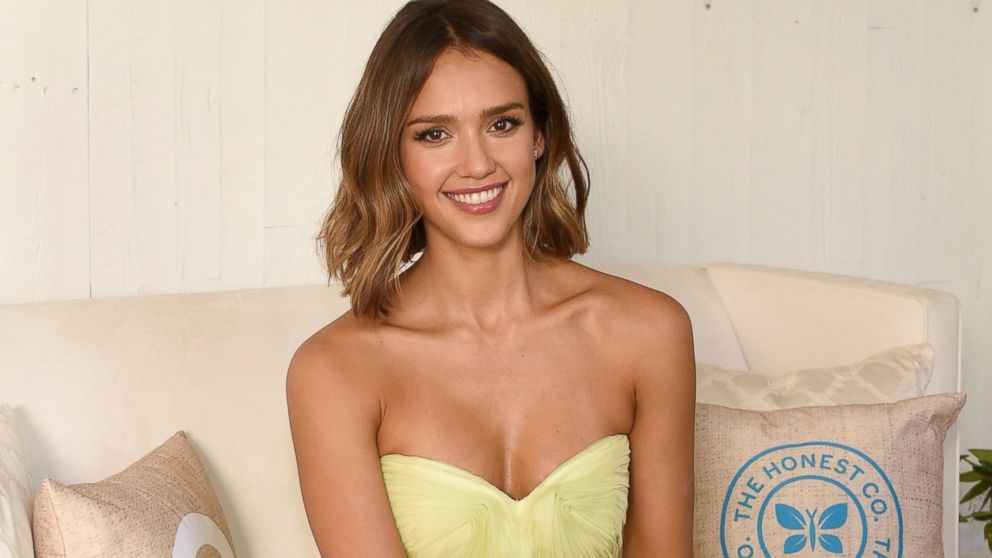
When Jessica Alba was pregnant with her first child, in 2008, she couldn’t find a brand to trust with her everyday needs, which she trusted was safe for her baby. She knew there were other moms just like her. Looking for comfortable, trusted and effective products at a reasonable price. This gave her the idea to start her own brand, giving life to Honest Company.
Jessica Alba is an actress and the founder of Honest Company. The company has been through a lot of ups and downs, but is now a unicorn (a company with a valuation over $1 billion), and went public on May 5th, 2021.
While washing onesies with baby’s detergent in 2008, Alba broke out in a rash. Growing up, she had a history of allergic reactions and had always struggled to find the right stuff. So without much delay, in 2009 she pitched her business for safe-to-use, affordable products. But it was without much luck. She met her co-founder Brian Lee when she went to lobby for the registration to reform the 1976 Toxic Substance Control Act. She also reached out to Christopher Gavigan, the leader of Healthy Child, a nonprofit-organisation. They also teamed up with Sean Kane, an executive at e-commerce site Pricegrabber.com. When these 4 people met in a room, a company was birthed.
They experienced amazing growth in the first 4 years aided by several successful rounds of funding. They noticed entry points to their customers’ houses and hearts and acted upon them. She realised she always ran out of diapers at the wrong time and thus she introduced an eco-friendly, non-toxic diaper delivery service.
As their product lines diversified, their attention got divided and it got tough to maintain authenticity. They faced scrutiny as a customer sued the company for false advertisement by inducing customers to purchase their products under the claim that they only use natural ingredients. They even discontinued their baby wipes after a lawsuit over the ingredients in the product. The lawsuits did double damage by harming their image and costing them a lot of money.
They got back on track after 2 years of losing out between 2015-17. Being a woman of colour, she makes sure that about half of their employees are people of colour, and within the leadership, 53% are women. This journey hasn’t been easy for her but she finally made it. To read her entire story, click here.
Falguni Nayar
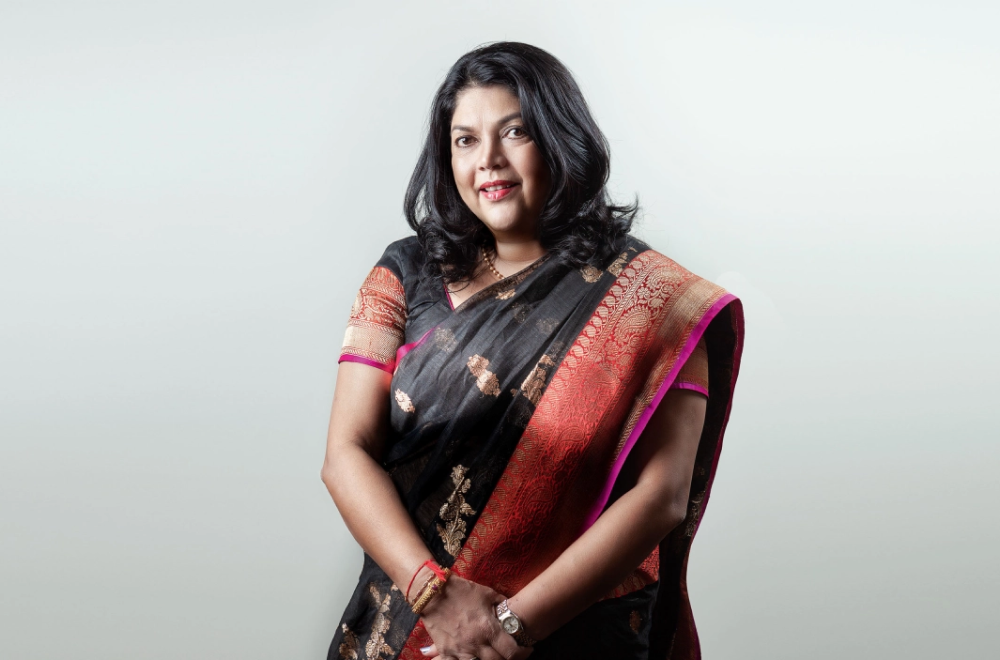
Falguni Nayar is India’s richest self-made woman! Falguni Nayar founded this company and took the Indian e-commerce market by storm. She broke the norm by operating e-commerce, as well as brick and mortar stores.
With an 18 year experience in investment banking and working as the Managing Director at the Kotak Mahindra Capital Company, she had always been interested in beauty and wellness. When she turned 50, the Indian startup scenario was thriving, and at the same time, e-commerce was gaining popularity. The idea of her own beauty business venture flickered in her head, and thus Nykaa came into existence. You’re never too old to achieve your dreams.
She started her business with $2 million from family savings and made her dream a reality in 2012. The name is derived from the Sanskrit word “Nayaka,” which means actress or one in the spotlight. Falguni Nayar saw the need for a multi-brand retail format that gave consumers unbiased advice that could guide them towards the right products from a beauty and health perspective.
They changed the reach of beauty products by establishing their presence in tier-2 and tier-3 cities. They have over 70 brick-and-mortar stores other than a strong online presence. Nykaa has an inventory-led model. This means, they buy the products from the seller at a lower price and sell it to consumers at the MRP. Basically, they own the products that they’re storing in their warehouse. This is unlike Amazon’s marketplace model.
One of the main challenges was asserting dominance in the market and making Nykaa the go-to site for beauty. While they still face competition from other e-commerce giants, Nayar has been successful in asserting their authority in this industry. Nykaa was able to penetrate the market further during the pandemic while taking advantage of their online presence. They became a unicorn in 2020.
In 2021, Falguni Nayar took Nykaa to the markets and it became a public company who’s shares were oversubscribed many times. For the entire story, click here.
Melanie Perkins

How many times have we searched for templates on Canva to finish a school project or to design something? We’ve got Melanie Perkins to thank for that! Melanie Perkins is the co-founder and CEO of Canva. She’s one of the youngest female CEO’s of a tech start up. She is also among the richest women in Australia. Forbes has included her in their 30 under 30 list. All of this at just 32 years old!
When she was 19, she used to teach children to earn some extra income. That’s when she realised that students were struggling with online platforms and resizing, exporting, transferring files etc. on different platforms was really cumbersome. “There must be some better way”, she thought.
With her boyfriend, she started a small business called ‘Fusion Books,’ to design yearbooks. Their customers could create their design on the online portal and the couple would print it and distribute it to the school. It’s now the largest yearbook publisher in Australia.
She met with many influential people such as Bill Tai and Lars Rasmussen (co-founder of Google Maps) who ended up becoming their tech-advisor. They also met Cameron Adams, an ex-Googler who ended up signing as the third cofounder. Canva raised $3 million in seed funding in two tranches in 2012 and early 2013, including a crucial matching grant from the Australian government.
Using this money, Canva was born and the timing was perfect. With the rise of social media, companies and people wanted to create an impactful and impressionable online presence that looked aesthetic. Lucky for them, that’s what Canva specialised in.
Now Canva is a unicorn, valued at $6 billion! It’s the largest unicorn in Australia. Melanie Perkins identified an emerging market need and made it a business. For the full story, click here.
Whitney Wolfe Herd

If you’ve explored online dating, you might have heard of Bumble. Well, Whitney Wolfe Herd founded it. It started off as a dating app and now it’s a dating app, friend app, business app. You can make friends, connect with business people for help/guidance and/or find your match.
It’s a more progressive dating app with the aim of equality. It lets women make the first move. If it’s a match in a heterosexual relationship, the woman has to text first. They have described this as “shifting old-fashioned power dynamics and encouraging equality from the start.”
Whitney was an early executive at Tinder, before she sued them for sexual harassment in June’14. According to her claims, her ex-boss, Justin Mateen, called her a “whore” and “gold digger” and other derogatory text messages that she attached to her complaint. The suit was settled for an undisclosed sum.
Andrey Andreev, founder of the online-dating-network Badoo, reached out to Herd due to a previous impression she had made. She declined his job offer, but they stayed in touch. After the lawsuit was settled, she took Andrey up on his offer: he made an initial investment of around $10 million for 79% and she’d be the founder and CEO with 20% and an access to Badoo’s infrastructure and know-how.
Bumble is giving tough competition to Tinder by evolving with the market. Whitney Wolfe Herd became the world’s youngest woman billionaire (31 years) after taking Bumble public. The Bumble IPO, on none other than NASDAQ, exceeded expectations. For the entire story, click here.



 The Echo-nomist
Leave a comment