

Coca Cola’s quarterly results were “delicious and refreshing” as the market remains rough.
The Coca Cola company reported their results for the first quarter of FY23, showing a continued momentum in their marketplace performance. As more people sip on Gatorade, Coke and Sprite in movie theatres. Coca Cola’s stock hit an all time high after smashing Wall Street’s earning expectations, posting growth in every category.
Here are some of the highlights from their Q1 results:
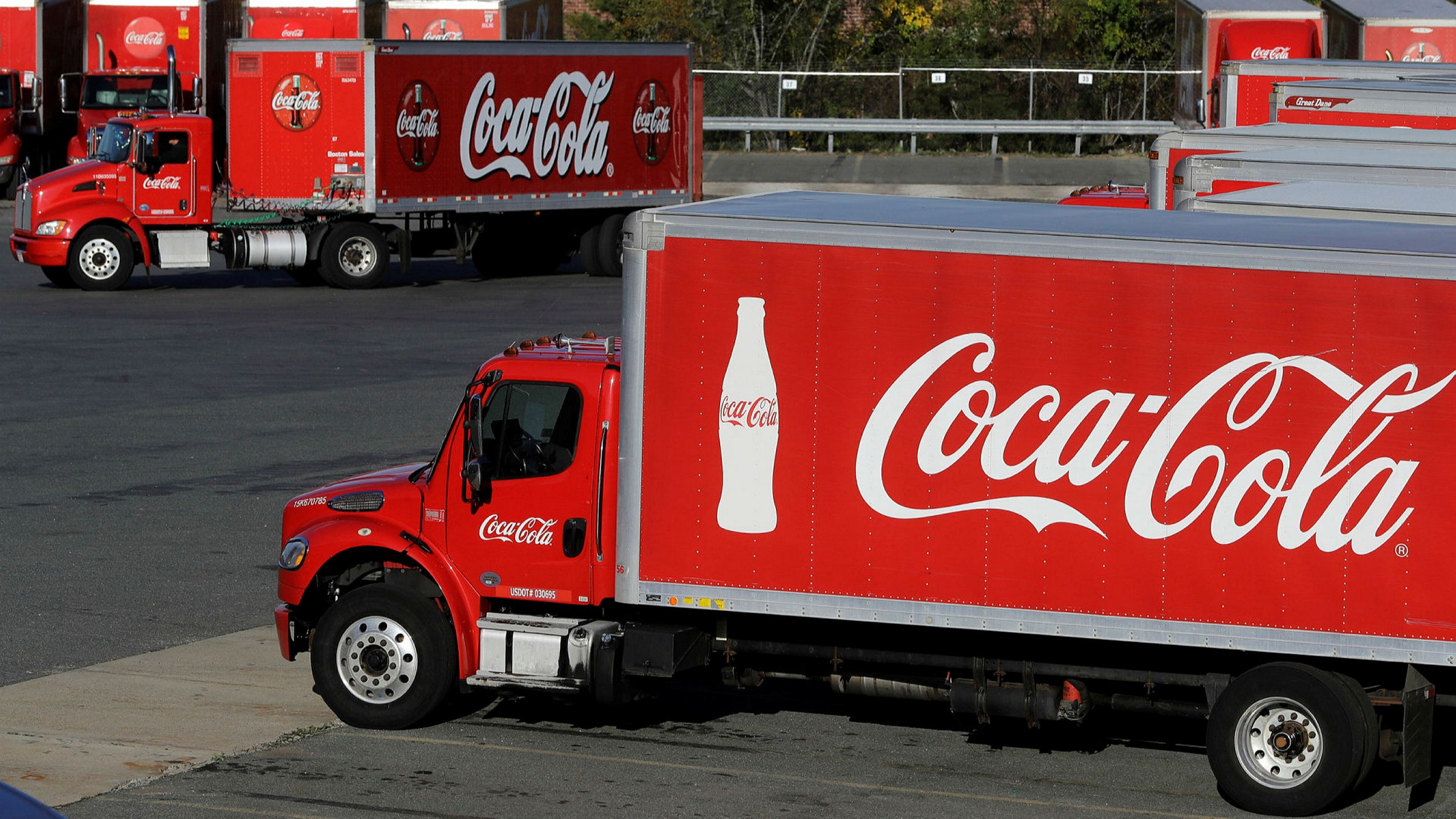
•Revenues: Net revenues grew 16% (double digit growth!) to $10.5 billion and organic revenues grew 18%. This is up 3 times since last year! Revenue performance includes 11% growth in concentrate sales and 7% growth in price/mix.
•Operating Margin: The operating margin rose to 32.5% this quarter, as compared to 30.2% in the previous year. It shows how much operating income is generated from each dollar of sales revenue. Operating margin expansion was primarily driven by strong topline growth.
•Earnings Per Share: The EPS grew 23% to $0.64! Analysts on Wall Street expected EPS of $0.58 and revenue of $9.82 billion in Q1.
•Market Share: Coca Cola gained value share in total non-alcoholic read to drink beverages, which included share gains in both at-home and away-from-home channels.
•Cash Flow: Cash flow from operations was $620 million, a decline of $1.0 billion versus the previous year. This is because strong business performance was offset by the impact of cycling the timing of working capital benefits in the prior year and higher annual incentives in 2021 as compared to 2022. (source: Coca Cola quarterly results)

Their growth was fueled by a combination of increase in volume and prices. Like other businesses, Coca Cola is also experiencing rising costs and offsetting the higher input prices with increases of its own. Instead of directly increasing prices of their products, they masked the price changes with a change in packaging sizes. For example, if the price of a 750ml bottle costs ₹40, instead of increasing they’ll price, they’ll introduce a 700ml bottle that costs ₹40. This means that the per litre cost increased but the consumer is less likely to realise the increase in prices. Blaming higher ingredient and packaging costs, the company hiked prices by nearly 10% but stuck to its upbeat annual forecast. Basically, they expect the consumers to keep paying.
As the world returns to normalcy, Coke has made a come back. With the reopening of theatres, people are pairing their popcorn tubs with a Coca Cola drink. Trademark Coca Cola grew 6% and experienced a growth across the globe. There’s nothing like a nice cool Sprite, Fanta, Coke on a hot summer day. Sparkling soft drinks grew 7%, with a growth in every country but primarily driven by Europe, Middle East and Africa and Latin America. Gatorade is the perfect drink to enjoy post workout. Working on that summer bod but still want something to drink? Coke Zero is just the thing for you. Coca Cola zero grew at 14%, driven by double-digit growth across all geographical operating segments.
Growth across sectors and markets
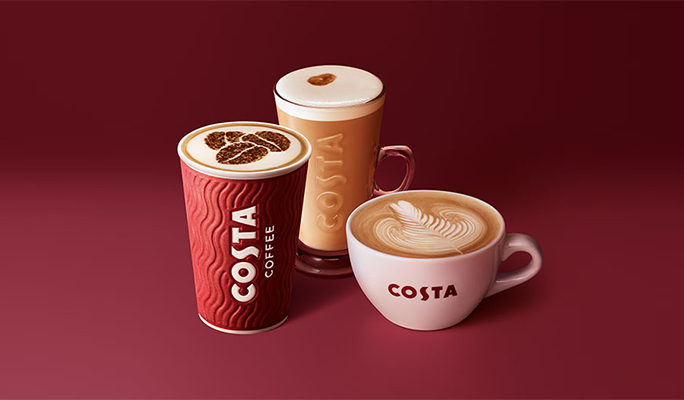
They experienced a growth in ever category! Nutrition, juice, dairy and plant based beverages grew 12%! This growth was led by fairlife in the United States, Minute Maid Pulpy in China and Maaza in India. Hydration grew 8% led by a strong growth in Latin America and Middle East and Africa. Tea grew 8% as a result of growth in Brazil, Japan and Mexico. Coffee grew a whopping 27%, primarily driven by the continued expansion of Costa coffee across markets.
Sports drinks and sparkling soft drinks led growth for the quarter in North America. Sports drinks grew 22%, primarily driven by strong growth of BODYARMOR (one of their recent acquisitions) and Powerade. After the beverage giant first bought a 15% stake in 20218 to become BOYDYARMOR’s second-largest shareholder, they acquired the remaining shares in November for $5.6 billion (source: The Sun). Their earnings report mark the first full quarter for BODYARMOR under the brand. So far, the investment seems like a smart one.
The Indian Market
The company reported a growth in the Asia Pacific region, fueled by India and the Philippines, partially offset by pressure in Chine due to reduced consumer mobilitiy resulting from a resurgence in COVID-19 cases. China is under strict lockdown to contain the spread of Covid, as they aim to have zero active cases.
In India, what worked for them is increasing its consumer base by expanding affordable offerings at key transaction-driving price points through the use of single-serve packages. This strategy yielded strong results with more than 500 million incremental transactions added in India, up nearly 20% versus the prior year. Approximately 70% of these incremental transactions were driven by small packages such as returnable glass bottles and affordable, single-serve packages.

They also increased sales through integrated execution as consumer mobility improved across channels by stepping up product availability, adding approximately 2,40,000 outlets and over 50,000 coolers (source: Businessline). They are also maintaining relevance in the Indian markets with product diversification. They are currently working on launching Maaza Aam Panna to leverage their equity in Mango and Fanta Apple to expand their fast growing fruit flavoured sparkling drinks.
Cheers to Technology
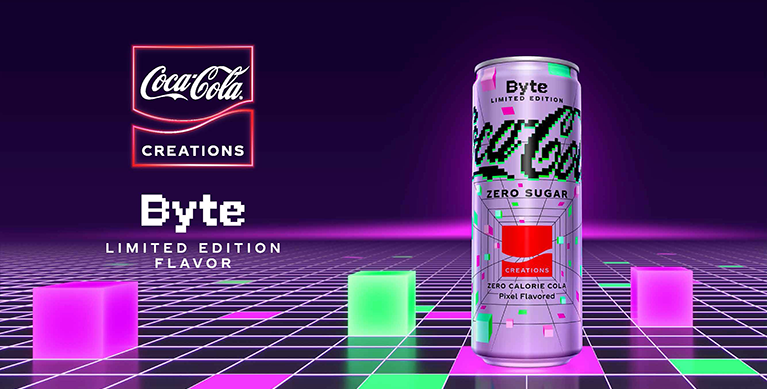
Along with revenues, their product innovation also continues to grow. Last month, Coca Cola unveiled a new, limited edition flavour that’s supposed to taste like pixels. Yup!
“Coca-Cola Zero Sugar Byte makes the intangible taste of the pixel tangible,” sai dOana Vlad, senior director of strategy at Coca-Cola (source: CNN). “Byte” is the second flavour to emerge from the company’s Coca Cola creations division which focuses on digital experiences. It’s fitting that the drink first appeared globally on Pixel Point, an island in the game Fortnite. The company also has a partnership with game developer Riot Games. They described it as the “first-ever Coca-Cola flavour born into the metaverse.”
James Quincey, the CEO, said that the company is trying to invest in brands so Coke drinkers will willingly pay more. They reasoned out that a price hike is more favourable now than in a recession.
Russia-Ukraine Crisis
Following Russia’s invasion of Ukraine, Coca Cole became one of many high-profile western brands that suspended operations in Russia. In their Q1 Earnings report they mentioned that the suspension of business has impacted their net revenues and operating income by 1% to 2% and about a $0.04 impact on comparable EPS.
Coca-Cola and their bottling partners continue to prioritize the safety of associates and their families in Ukraine. They activated relief funds to provide financial assistance to all Ukraine-based system employees. They have also committed to contributions and product donations totaling nearly $15 million. This will further support relief efforts by the Red Cross and other organisations who are working closely with Ukraine and neighbouring countries, helping millions of people who were displaced due to the conflict.
Is the entire beverage industry experiencing a similar growth or is it just Coca-Cola? Shares of Coke, Pepsi and Cheerios maker General Mills are all up about 20% in the past year, while the S&P has only gained 3% and Nasdaq is down 8%. Pepsico’s earnings will provide a better insight about the beverage industry.



 The Echo-nomist
Leave a comment