
The bullish market during the pandemic contributed to super successful IPO’s. The prospect of economic recovery and the bullish market seemed like good reasons for investors to bet on IPO’s. It picked up momentum in the second half of 2020. Mrs. Bectors, Burger King, Airbnb, DoorDash, Bumble, Snowflake, Nazaara, LIC and the list goes on.
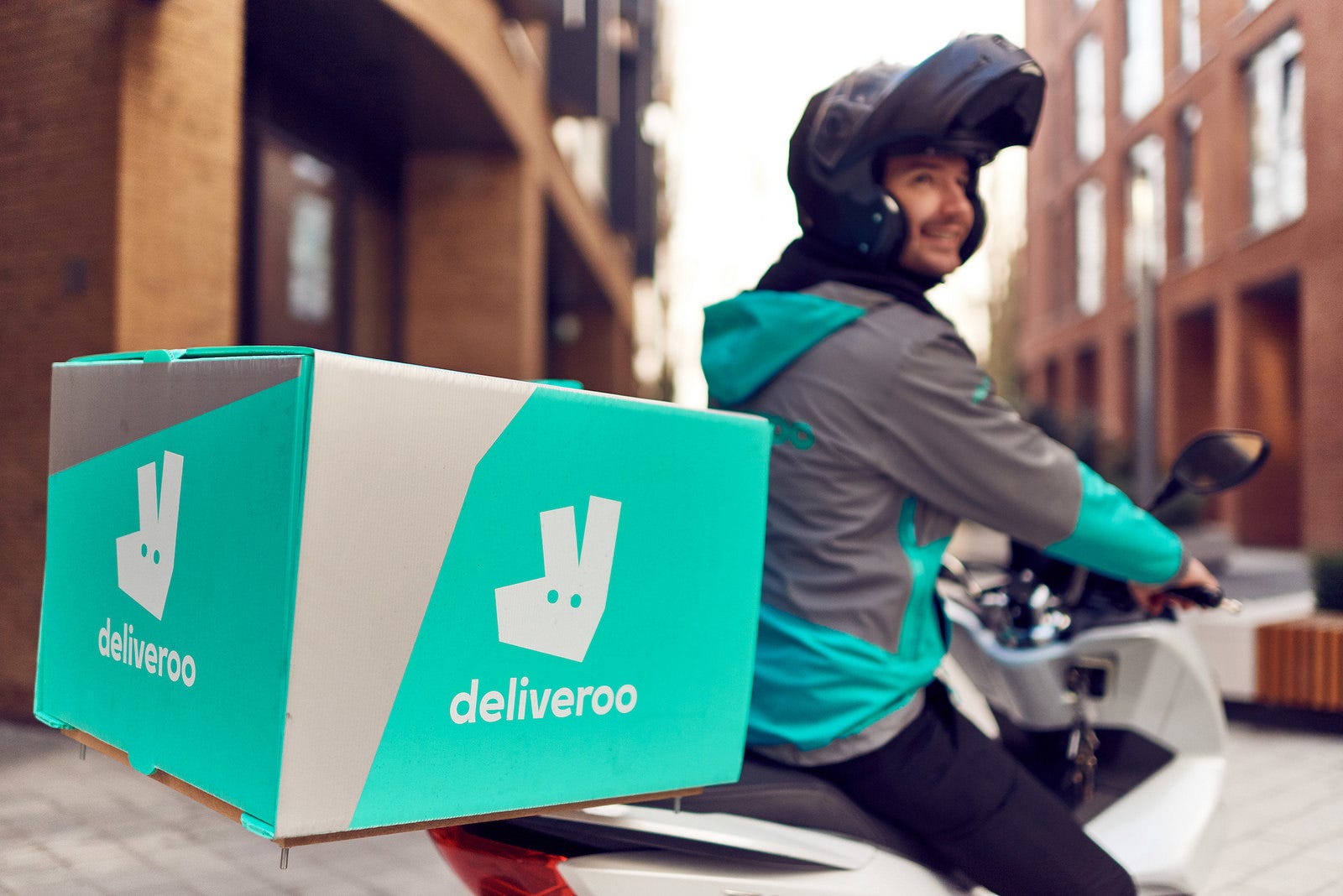
Deliveroo is a UK based company for online food delivery. So it’s the equivalent of DoorDash, Zomato, Swiggy etc. Now, DoorDash’s IPO did dashingly well (pun intended). It had great returns, soaring 85% in its Wall Street debut last year. So Deliveroo thought why can’t we do the same thing. We do the same job, just in different countries, which is why our IPO will be successful.
They went ahead and listed their stock on the London Stock Exchange (LSE). What came next was something they weren’t expecting. Their stocks plunged. They were down as much as 31% in the first few minutes of trading. It eventually closed down 26% at 287.45 pence. It was the worst opening-day fall in over 10 years for any IPO that had raised at least $1 billion.
Deliveroo wasn’t the only one disappointed with the what happened to their much anticipated IPO. UK was too. Their $2.1 billion IPO was supposed to be a win for the LSE. They haven’t been doing that well since Brexit and wanted to use this to lure tech firms from New York. It clearly didn’t work out for them on the first day.
Seems like no one really knows how to price IPOs. In hindsight, three factors seemed to work against Deliveroo IPO.
Firstly, it’s not making any profit. While its business went up in 2020 because of a rise in home deliveries due to COVID, it still was not profitable. It lost more than $220 million in 2020. The prospective of recovery from the pandemic made investors nervous, and things getting back to normal didn’t help their case. Because that means, people will start going back to restaurants and reduce their dependence on home deliveries. Even DoorDash shares have gone down 40% since February.
Secondly, they follow a gig worker model of doing business. They prefer using this as it’s more flexible for them and helps in cost cutting. But recently, there’s been a lot of buzz about workers’ rights. A few days ago, in the UK, Uber had to provide it’s employees benefits like vacation pay, pensions, a minimum wage etc. Investors are worried labour activists will demand Deliveroo to do the same. This will increase their cost and subsequently, their losses.
Lastly, Deliveroo was targeting a valuation of $10 billion (€8.3 billion). But the city investors were doubtful. it was valued at $7 billion in a private valuation in January 2021. Approximately a 50% increase in valuation within 2 months seemed too high. High profile investors were also not enthused by introduction of Dual Class Shares, that allowed Founder William Shu to retain 57% voting rights with less than 7% share holding! As a result Deliveroo was forced to price it’s shares at lower end of its range from £3.90 to £4.60.
All of this combined led to the shares falling 30% (to below £3) in early morning trading. They closed 26% down on their first day.
But you can’t write off successful tech entrepreneurs like Shu who have built a valuable enterprise in just 8 years. Facebook fell by more than 50% in months following its IPO in 2012, before embarking on a journey towards stratosphere! Who knows where this stock will be a few months from now.
April Fool’s:
Meanwhile, on April 1, many customers registered with Deliveroo in France received confirmation emails for orders worth €450 (roughly ₹39,200). One customer said he had “almost had a stroke” after receiving a €466 invoice for 38 pizzas that he had never ordered.
These mails said “Excellent choice, *name of the customer*”
They also mentioned that as a loyalty reward, 50 sachets of hot sauce were being thrown in for free (💀).
It surely is hilarious to read, but the people of France were angered. Many took to twitter to express their concerns and dissatisfaction.
Doesn’t it sound similar to what Swiggy did? Except it wasn’t followed up with a change in membership plans.





 The Echo-nomist
Leave a comment