

The short-form video content craze on social media is currently at its peak. Starting with Vine in 2013, short video platforms have become a hallmark in the online world. The past two years have seen the rise of TikTok as the app has surpassed over 2 billion downloads, thanks to #trends, #challenges and #viral dances. And now it feels like every social media app has its own version of TikTok.
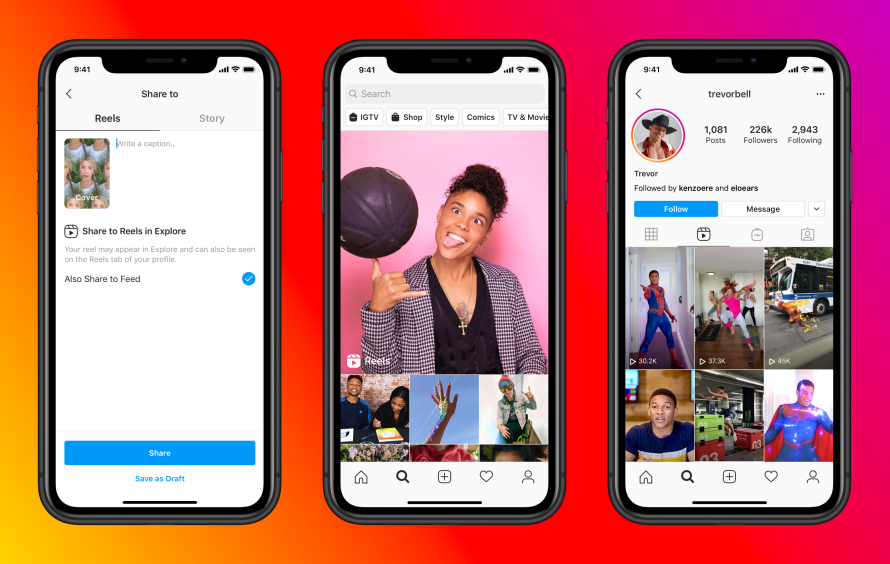
After TikTok was banned in India, there was a void for short video content that needed to be filled and Instagram, to no one’s surprise, was the first to jump at that opportunity with its latest feature called “Reels”. After a year-long test-run in Brazil, the feature was finally launched across over 50 countries including India, Japan, the US, Australia and more, allowing users to share 15 second videos with music, sounds and video effects.
YouTube soon launched its own short form video feature called Shorts for “anyone who wants to create short, catchy videos using nothing but their mobile phones.” (For most users, this update felt about as original as their other most recent addition: Youtube Stories.) In fact, on Tuesday, YouTube announced a $100 million fund to pay content creators who make hit videos on the feature, aiming to court more influencers.
Just as you might begin to think that the short-form video content market is getting a little too saturated, Snapchat got FOMO and became the latest app to hop in on the trend. Launched late last year, Spotlight is the app’s newest feature. In order to boost the new feature, Snapchat has launched a daily fund of $1 million for creators who create the top snaps on Spotlight.
As users, not only does it seem redundant to have the same feature on several apps, the popularity of short video content is yet another sad testament to our society’s collectively declining attention spans. However, on the upside, the biggest beneficiary of this recent trend appears to be the content creator eco-system that can use the multi-platform approach to build a strong online presence and earn from several sources of revenue.
As for the companies, the popularity of their apps will entirely depend on the quality of the content available on their platforms, which is why they have started incentivizing content creators to create high quality videos for their platforms. Who knows, maybe each app will give rise to its own hypehouse. I, for one, can wait.

On one hand, it is disappointing and slightly alarming to see social media companies shamelessly copy ideas from one another every few years, but on the other, it is good to know that no single company will have a monopoly over such a huge market. May the best app win.





 The Echo-nomist
Leave a comment