

When the financial ministers of the Group of Seven leading rich countries meet, they figure out ways to get richer…
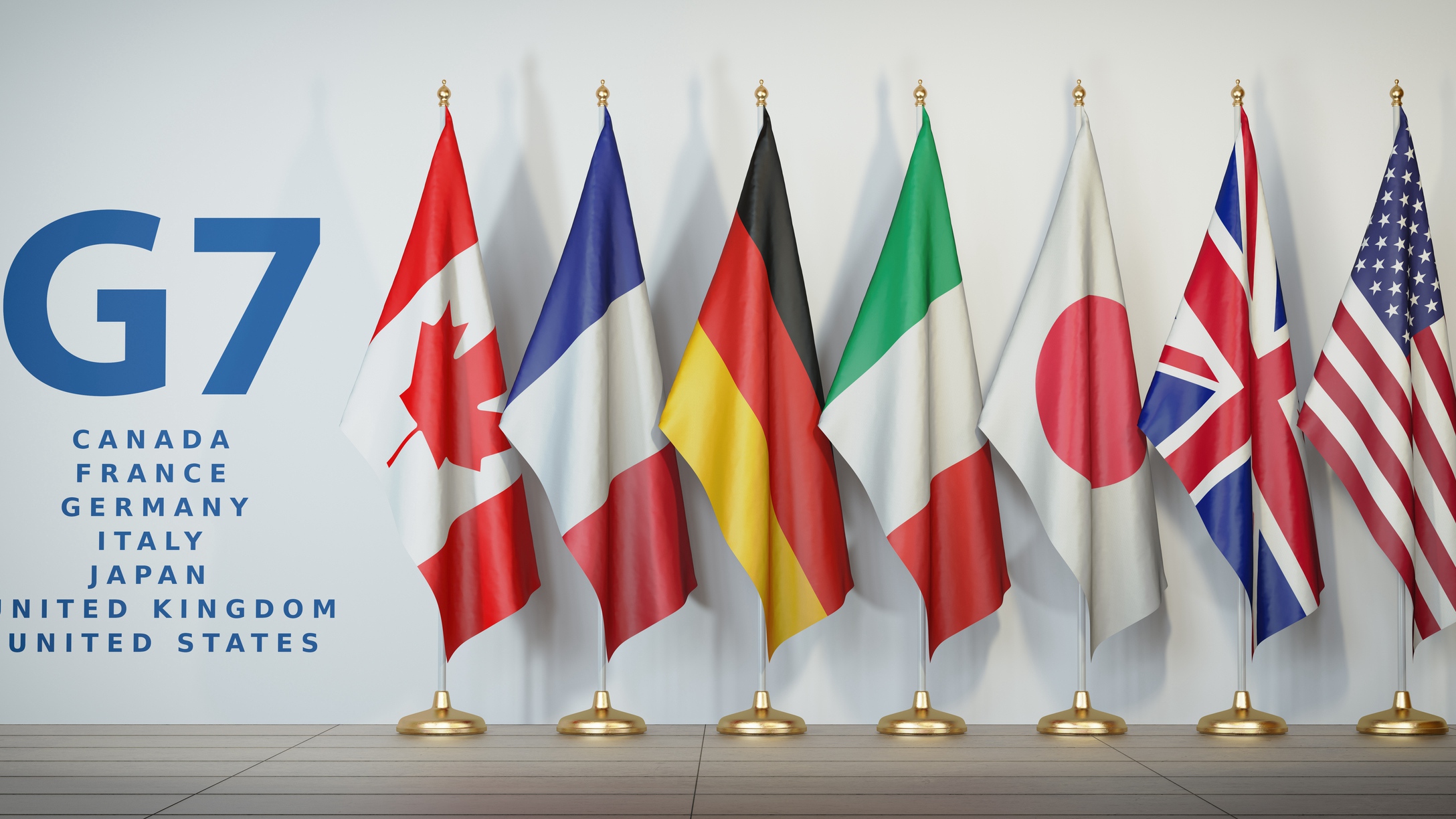
The Group of Seven (G7) currently consists of Canada, US, UK, Italy, Japan, Germany and France. The finance ministers of these countries met in London on 5th June and agreed upon some global tax changes. They have backed the proposal to impose a common global corporate tax.
Their aim is to prevent multinational businesses from evading taxes and also crush the havens that attract these corporations to set up operations due to low taxes. The tax proposal has two main parts.
The first part is a 15% minimum corporate tax rate. Corporate tax is basically the tax paid on the profits earned by a company.
The proposal states that all the countries in the world should tax their home companies at a rate of at least 15%. What will the G7 get from increasing tax rates in other countries?

The corporate tax rates are significantly higher in countries like the US and U.K. Meanwhile, the corporate tax rate is much lower in some other countries as they are trying to attract investments and MNC’s. U.S has a corporate tax rate of 21% as of now and U.K’s is 19%. Whereas the tax rate in Ireland is merely 12.5%.
Ireland is considered a tax haven because of its taxation and economic policies. They favour the establishment and operation of corporations, and it proves to be beneficial for them in the form of tax. Many companies prefer to register themselves in tax havens (like Ireland) because they have to pay lower taxes. This is true especially for software-as-a-service companies. This saves the company a lot of money.
Big corporations like Google and Facebook are known to route their international payments through Ireland, so that they don’t have to pay exorbitantly high corporate tax on their profits. At the same time, companies like India lose goods and services tax when tech companies provide services without setting up a domestic office.
What these countries want now is to raise the corporate tax to a minimum of 15%. This will reduce the corporate tax gap between tax havens and other countries. And hence, these tax havens won’t retain their reputation. Eventually, it will increase the investments in countries which have higher corporate tax rates right now.
This targets Ireland and other tax havens like Singapore, Caribbean islands (including Bahamas and British Virgin Islands) etc.
The G7 companies have justified this by saying a global minimum tax would “end the race-to-the-bottom in corporate taxation.”
The second part of the proposal is to allow countries to tax a share of the profit earned by companies in their domestic territory, “that have no physical presence but have substantial sales.” For example: sales through digital advertisement, ads on social media etc.
Their aim is to simply let countries tax part of the earnings of the largest and most profitable companies- digital or physical presence- if they’re doing business within their borders. They also mentioned that countries have the right to tax 20% or more on profit that exceeds a 10% margin.
This will impact businesses like Facebook, Google and Amazon as well as countries with low tax rates.
For tax havens, it will reduce the taxes received from firms because operating in such countries won’t be as beneficial for companies as compared to before. Some countries received a major source of income from these companies, but they will lose that benefit now. According to an estimate, Ireland could lose €2 billion a year! They have argued that it would be disruptive to their economic model.

I guess somebody else’s loss is another’s gain…
While countries with low tax rates are losing out, EU Tax Observatory estimated that an additional 15% minimum tax would result in an additional €48 billion a year. The Biden administration projected that this could bring in $500 billion in tax revenue over a decade to the United States.
These taxes are applicable to businesses with an online presence as well, so Google and Facebook can’t escape it. This means such companies will have to pay higher taxes. However, most tech companies have seemed to welcome the G7 agreement.
A spokesperson for Google said, “We hope countries continue to work together to ensure a balanced and durable agreement will be finalized soon.”
An Amazon spokesperson said something along these lines, “A multilateral solution will help bring stability to the international tax system.” The Vice President of Facebook global affairs also tweeted:
The G7’s sentiment is understandable as countries are losing over $427 billion in tax each year to tax evasion and avoidance by big corporations who move their money to tax havens. And the US in particular loses $90 billion per year.
What’s going to happen next?
Since it’s a global decision, just the approval of G7 isn’t enough. Also, there are still significant details to be worked out. For this, they need the support of G20 which includes developing countries like India and China. The Financial Ministers of G20 are due to meet in Venice on July 9-10.
For how long can Ireland hold the title of tax haven? They seem keen on fighting for it.





 The Echo-nomist
Leave a comment