

Previously, I wrote about the tax proposal that was agreed upon at the G7 meeting of Finance Ministers. The proposal is for a minimum 15% global corporate tax rate and to allow governments to tax a share of the profit earned by companies in their domestic territory. This is aimed mostly at big tech companies (namely: Google, Facebook, Apple etc.) Since it is a global deal, it can’t be approved merely by the approval of G7 . Hence,
It seems like India will butt heads with US on this policy. Why?
Google Tax
Google tax isn’t the tax on Google. Well, it is but not just on Google. For many years, big tech companies paid less corporate tax in some geographies (despite generation of a significant percentage of their revenue in some of those countries) by diverting their profits to tax havens. Ireland, Singapore, Caribbean islands are some examples of tax havens where the corporate tax is significantly lower as compared to countries like USA, UK etc. For example, the government was gaining nothing from the profits earned by Facebook in India as they completed their transactions through Ireland, where the tax rates were lower, to Facebook’s benefit. This means, the money was taxed in Ireland but it was actually earned in India. And we’re talking about millions and billions of dollars of tax.
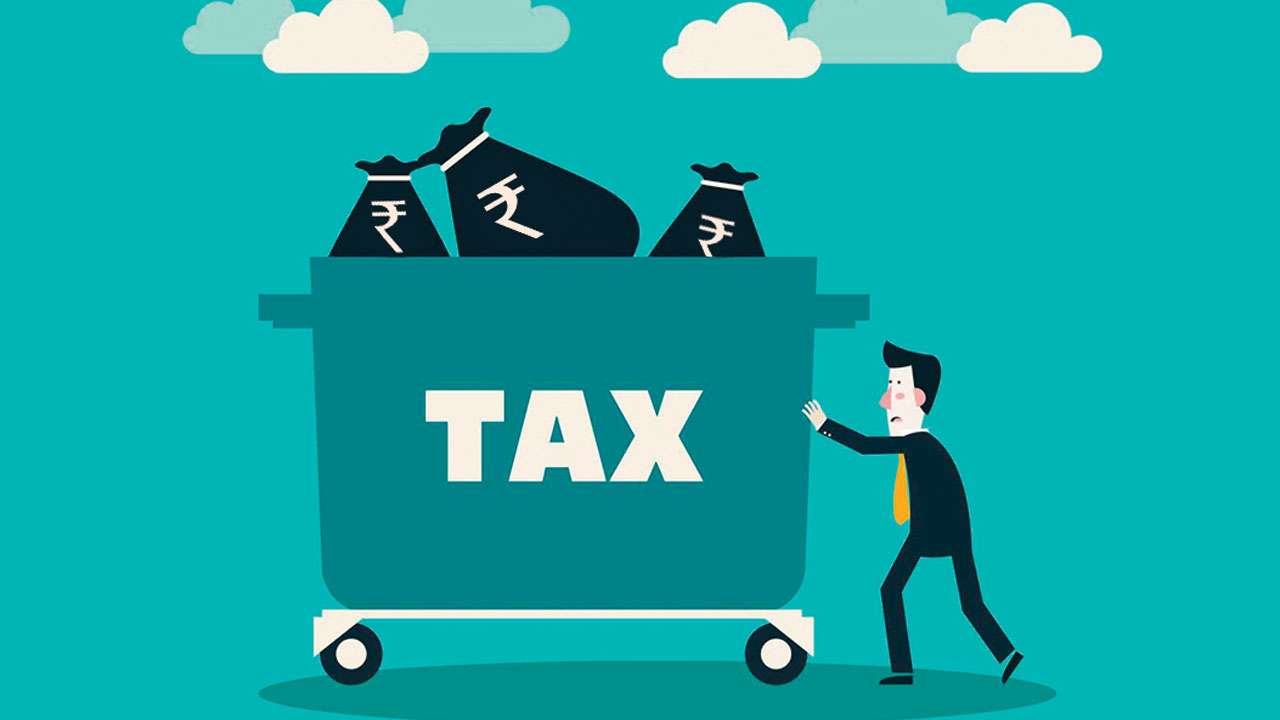
Government’s around the world begun to notice this pattern of tax avoidance. In their attempt to prevent this, every country came up with its own taxation laws to make big tech companies pay up for the revenue/income earned in their domestic territory. Since Google was one of the biggest tech companies, it kind of acted like the representative for other tech firms. Hence the name Google Tax.
Even India came up with its own Google tax, or as they call it “Equalisation Levy.” It was first introduced in 2016. The government imposed a 6% levy (if they earned more than ₹1 lakh) on payments for digital advertisement services received by non-resident companies without a physical presence in India.
Then e-commerce became popular and such companies were getting rich but the government wasn’t getting any tax. So this Google tax was amended in 2020 by taxing foreign e-tailers at 2% (if their turnover is ₹2 crore).
Coming back to the G7 proposal. Their proposal was aimed at big tech. They said that companies that report at least a 10% profit margin globally, countries would have the right to tax them at 20% if they do significant business in their country. It’s also an effort to stop companies reporting profits in tax havens where they barely do any business.

This proposal isn’t all that flawless. It’s not common for tech companies to report a 10% profit margin, especially if they’re new and upcoming. In fact, it usually takes a few years before tech startups become profitable. This significantly narrows the number of firms that countries will be able to tax. Hence, it’s not as beneficial for most governments as it may seem.
India has already clashed with US about its Google tax. India’s equalisation levy was aimed at the tech giants which had a huge user base/audience in India. Out of the companies that are subjected to equalisation levy, 72% are American. This could have been a mere coincidence as America is known for successful tech startups from Microsoft to Facebook to Zoom. However USA saw this as a sign of discrimination against US tech companies.
Under Section 301 of the Trade Act for being unreasonable, burdensome and discriminatory against American companies and inconsistent with international tax principles. USTR (US Trade Representative) conducted their investigation and said that the digital services tax (DST) burdens or restricts US commerce by negatively impacting US companies’ operations in India. And so they imposed tariffs on India but with a six month delay on grounds that a “multilateral solution under OECD is being deliberated where all tax treaties will get amended automatically.”

India isn’t the only country that US plans on imposing trade tariffs on. They announced that around 25% tariffs would apply to about $2.1 billion worth of goods from Austria, UK, India, Italy, Spain and Turkey for imposing digital services tax (DST) on e-commerce companies. The tariffs are proposed on 26 categories of Indian goods including shrimps, basmati rice, cigarette paper, silver jewellery etc. USTR is set to imposed tariffs $1.3 billion worth of French goods including cosmetic, soap and handbags.
The G7 tax proposal will be an agenda for the G20 meet. Their approval and support is required to make it a reality since it is a global decision.
The same laws cannot be applicable globally since every country is different and what might be suitable for one country, might not be suitable for another. It depends on the economy, development status and many other factors which are tremendously different for each country. The tax arrangement that works for India is its equalisation levy as it has been carefully deliberated upon by the government and amended according to the business demographic in India. On the other hand, India may accept the G7 proposal without much fuss because it will award them rights to tax big tech companies. This could mean a lot of money for the government.




 The Echo-nomist
Leave a comment