
You know how parents bribe their children with some reward if they eat their fruits and vegetables? Similarly, governments around the world have to sneak in incentives for people to get vaccinated!
While some of the population is waiting to get vaccinated, others aren’t so keen. Vaccine hesitancy is common to every country in the world. People are scared for various reasons- safety concerns due to emergency authorisation of COVID-19 vaccine, distrust in the efficiency of the vaccine, misinformation and conspiracy theories, access to healthcare etc.
By 20th May, 2021, 50% of the American population had received their first dose. As of 25th July, 2021, Only 57.4% of the population in US received the first dose. In just over 2 months, only 7.4% Americans received a single dose of the vaccine. This can be compared to 10% of the population getting the first dose in just 18 days from 1st April’21 to 19th April’21. The Covid vaccination curve for US is getting flatter. Unlike the coronavirus cases curve, the government wants this to be steeper.
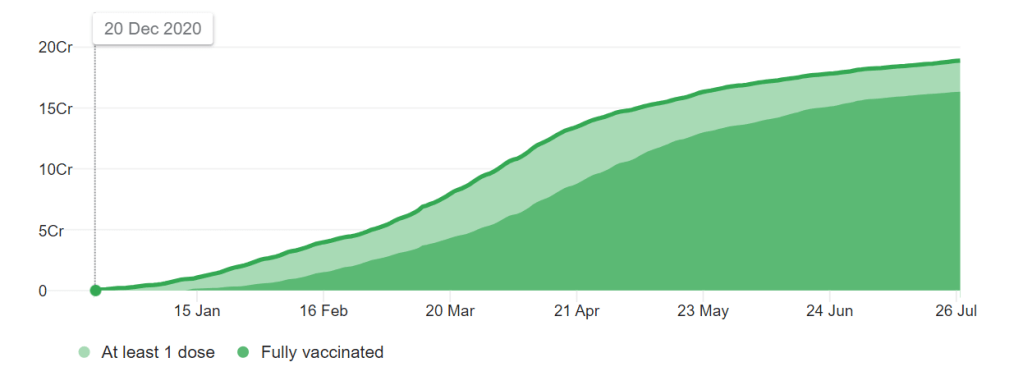
This lag in vaccinations exists all around the world. Initially, all the people who have been waiting to get vaccinated, get it and what remains is the population that isn’t willing to get vaccinated. That’s why the rate slows down. To get the reluctant residents to get vaccinated, a classic economists’ trick was used…
Incentives, Incentives is how people get what they want, or need. As stated in Freakonomics, it’s a bullet, a lever, a key: an often tiny object with with astonishing power to change a situation. So the government turned to incentives.
Incentives is the way the world works. From a young age, we’ve been taught to respond to them. You’ll get a treat if you get good marks. If you break a rule in school, you get suspended. If you stay out after dark, you’ll get grounded. If you drop out of college, you’re ridiculed and are stuck in the family business. If you excel in college, you’ll find an outstanding placement. Someone has to create incentives to get things their way, they don’t come about naturally. In case of coronavirus vaccines, the government, celebrities, musicians, restaurants, companies and the likes created these incentives.

What are these incentives?
Everyone got really creative while creating the incentives. They branched beyond offering money… Dating apps have gained popularity in the US during the pandemic. So the White House is partnering with various prominent dating platforms like Hinge, Tinder and Bumble to give premium content without paying to those who can prove they have been vaccinated. They will also receive a special “vaccinated badge,” which, according to OKCupid, helps a person receive 14% more matches than people who don’t get vaccinated. (Source: BBC)
Cincinnati Reds, a baseball team, are selling some tickets at $10 off to vaccinated fans. Tickets to concerts, like Bruce Springsteen, can only be bought if you are fully vaccinated.
“Shot and a Beer” for New Jerseyans! Anyone who got their first dose in May’21 could redeem a free beer at one of the 13 participating breweries. Of course, it’s only for ages 21+ :p The Greenhouse of Walled Lake, a marijuana dispensary in Michigan, has handed out more than 35,000 free joints to those who got the vaccine.

West Virginia is hosting a vaccine giveaway including huge sums of money, scholarships, custom outfitted trucks etc. The highlight of the giveaway, however, is lifetime hunting and fishing license, custom hunting rifles and custom hunting shotguns (Source: West Virginia govt.).
Other countries also resorted to healthier and safer incentives! Residents of Dubai will be allowed a fortnight’s gym membership. Goldsmith’s in Gujrat, are offering free gold nose pins to women and hand blenders to men for getting the jab.
Companies are incentivising their employees to get vaccinated too. Amazon set up an on-site vaccination camp. Other than this, vaccinated employees were eligible for an $80 bonus. Target offers a free Lyft ride to its employees to vaccine appointments.
This one is my personal favourite, Krispy Kreme is offering a free glazed donut everyday for the rest of the year if you can show proof of vaccination.

There are still many more incentives that I have not mentioned like lotteries, visas, gold, apartments etc. Everyone seems to be spending a lot of money on bribing people, but is it effective?
There’s no direct answer to this. Some incentives work better than the others. As of now, there isn’t sufficient data if all types of incentives have yielded a positive response or not.
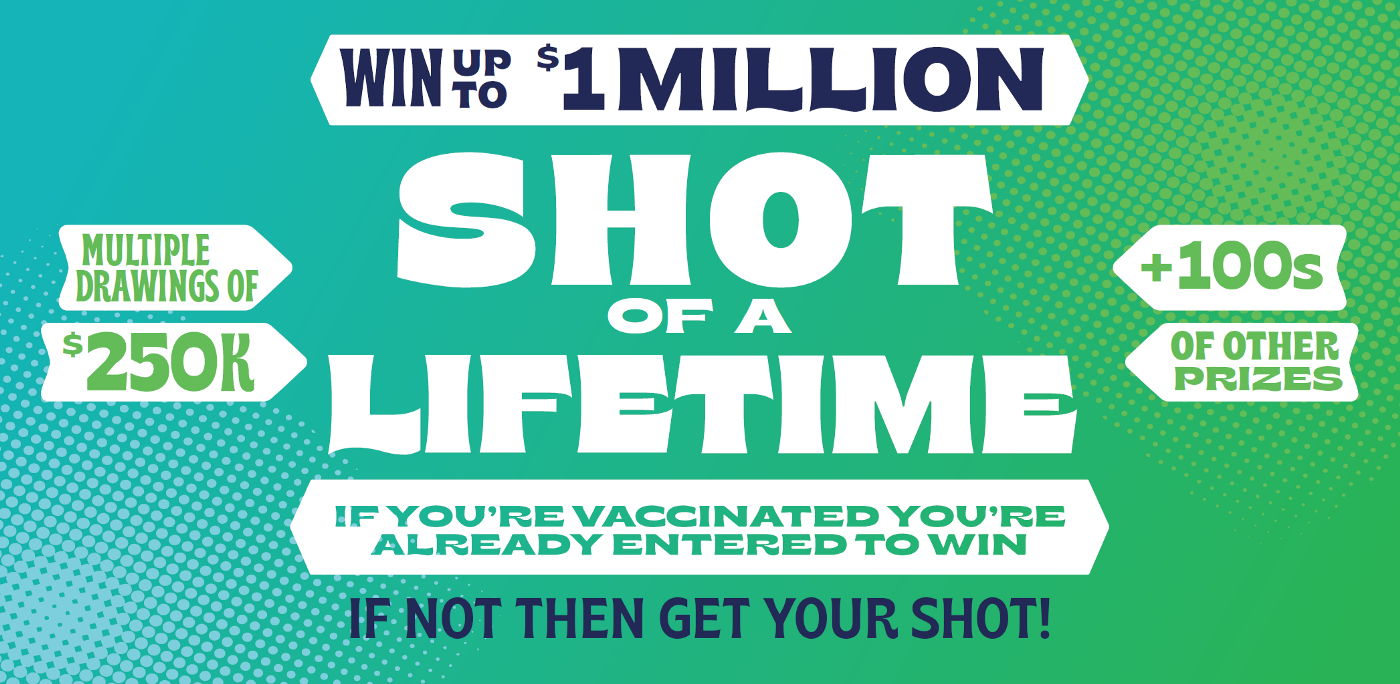
The state of Ohio announced a lottery system to pay randomly selected vaccinated people to receive up to $1 million. According to a study by the Boston University, they did not find evidencw that the lottery was associated with an increase in rate of vaccination among adults. Instead, the rate of vaccinations declined after the May 12 lottery announcement.
French President, Emmanuel Macron announced plans to require “health passes” to places of leisure, cafes, shopping, restaurants and more. To receive a health pass, you have to prove you’re vaccinated, or tested negative for Covid (which will be a lot more expensive, as PCR tests in France won’t be free starting August). Just this announcement was enough to mobilise 4 million people to get the shot and nearly 6 million sign up for it (source: Forbes). Nearly 1 million residents book an appointment for vaccines everyday now in one of the most vaccine resistant countries of the world.
A similar move by Italy, spurred a wave of Covid vaccination bookings, dubbed as “Draghi Effect” by the media. Vaccine appointments were up from 15%-200% depending on the region.


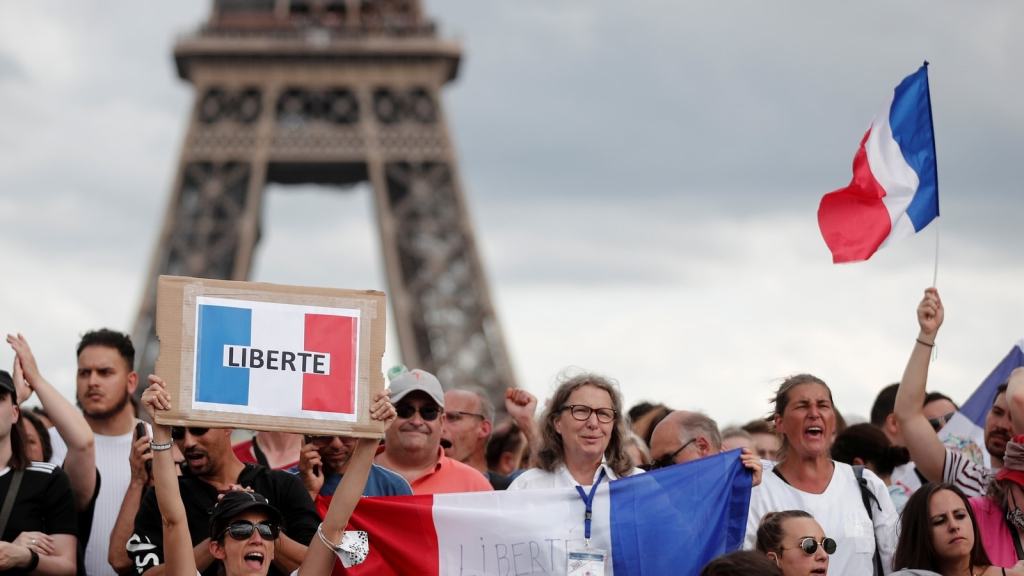
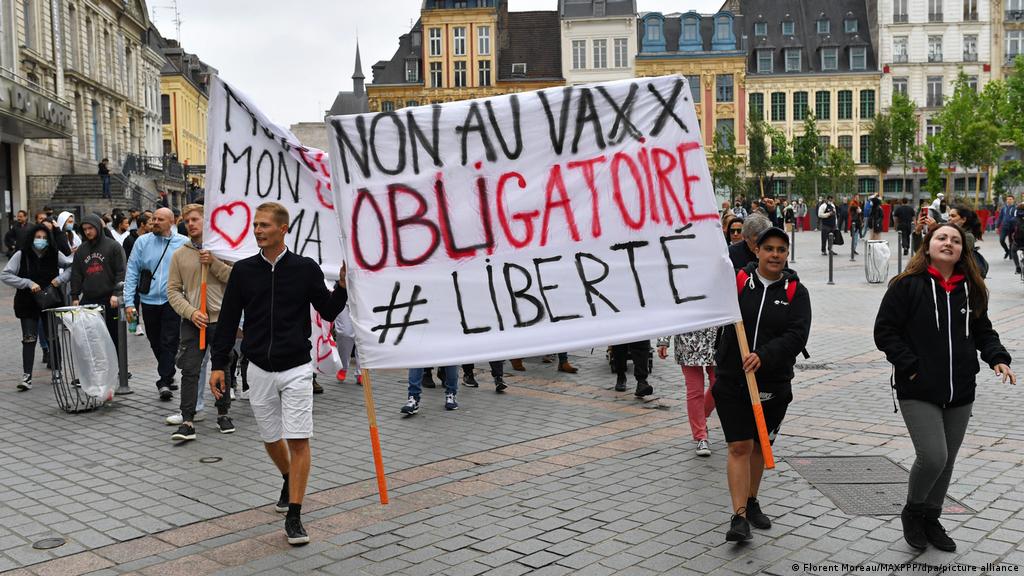
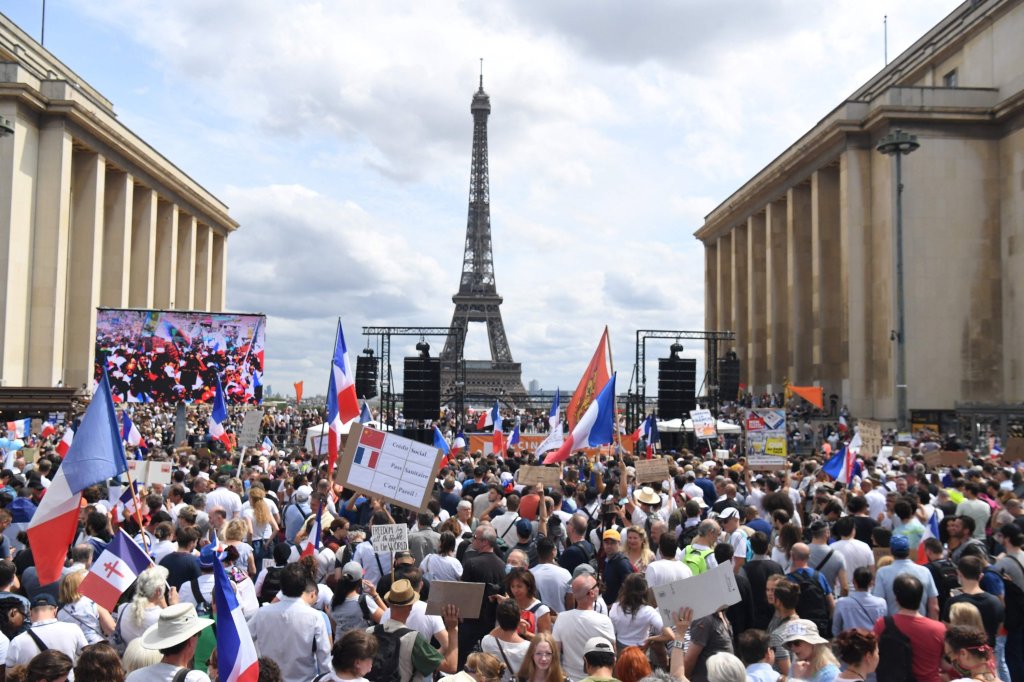
From this, we can conclude that just incentives isn’t enough. The government needs to introduce mandates. The announcements in France and Italy were met by protests but it also led to mass sign up for Covid vaccines.
According to Susan Michie, a psychology professor, incentives risk being a distraction and it could be counterproductive. Since people are getting vaccinated for the money, and not the virus itself, people might be less likely to get a “booster” jab in the future if the reward no longer exists (source: BBC). For example, if you get $1 for doing helping out in the house, you might not want to help out when the reward of $1 is taken away. Which is why, along with monetary incentives, they also have to promote the rationale behind getting jabbed.
Like in other countries, India can also expect to see a slow-down in vaccination rates in the near future. The government will then have to decide between making it compulsory or just focusing on incentives. A mandate might be more effective in the long-run, but incentives are more productive for immediate, short-term results.



 The Echo-nomist
Leave a reply to 2021 recap: The year in stories – The Echo-nomist Cancel reply