

This article is long overdue. Electric vehicles are relatively new but they are finding a promising customer base in India. They have hurtled past the bad press about exploding batteries, low-speed and more. Indian EV companies are living their best life right now.
When EV’s were introduced for the first time, they only seemed like realities for rich people and something you’d see in movies and tv shows. It also appealed to people who care about the environment and climate change. We’re talking zero pollution and no fossil fuels. Isn’t that the dream? But again, it was a luxury.
There were a few other major hinderances including lack of suitable vehicles and the dreaded question of range, inadequate charging infrastructure for EVs and technology uncertainties causing durability and reliability concerns. For a long time, these barriers remained unaddressed. EVs available then had a usable range under 100kms and were not comparable to the internal combustion engine (ICE) vehicles. There were virtually no charging stations even in major cities. Purchasing an EV cost twice as much as ICE vehicles, even after the subsidies provided by the government. Little was done to assure the customers about the dependability and life of the vehicle. As a result, it had a very limited reach.
Over the past few years, however, significant developments have been made to address these issues. Several charging points were set-up across cities and there are more in the pipeline. The range has increased significantly, with some cars having a certified battery range of 300kms! People formed EV communities who installed their own captive chargers. The government bought down the cost and encouraged consumers through subsidies, reduction in GST, waiver of roads tax and registration and other such incentives.
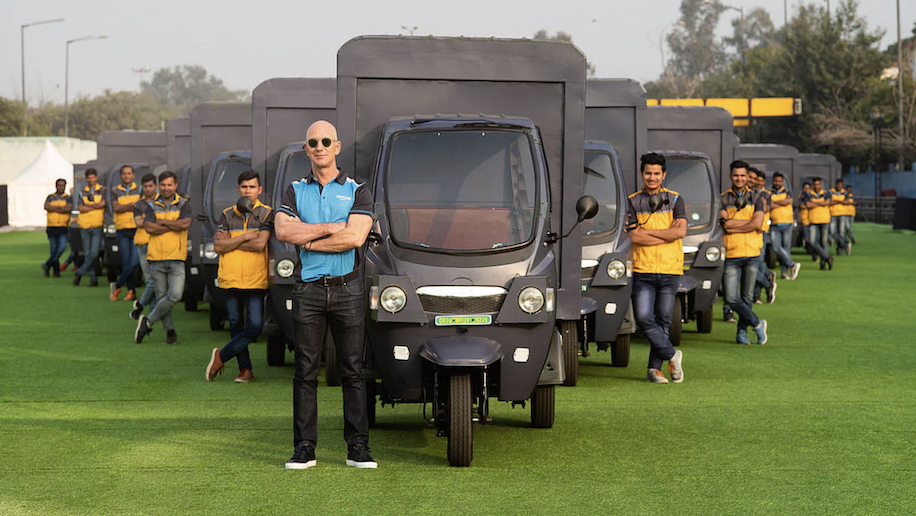
The government has played an undeniable role in underwriting the growth of this industry. They increased existing customer subsidies on two-wheeled EV prices by 50% and doubled the cap on this incentive to 40% of the price, bringing the formerly high prices of EVs more in line with similar gas powered vehicles. FAME II provided subsidies up to 3 lakh for commercial use electric vehicles. In mid-September, the government announced $3.5 billion in incentives to ramp up the local production of batteries and hydrogen fuel cells, both of which are essential in electric vehicles. These moves are all in support of the government’s declared goal to have at least 30% of all new vehicles sold to India, including two-wheelers, be EVs by 2030. The industry could easily be worth $206 billion in the coming decade, if they were to achieve this target by 2030 (source: Business Standard).
The time is now… Fuel prices are at record high (with petrol touching ₹100 in Mumbai). State governments are competing to offer attractive subsidies for electric vehicles. Ola, Ather, Hero and the likes have been advertising and hyping up an all-electric future. Big investors are financing their dreams. And the cost of production is on a constant decline (and government subsidies are only helping).
Does that mean we’re on the cusp of a revolution?
There’s no doubt that the EV industry is witnessing the perfect storm. 2020 has been a year where we witnessed the boom of electric vehicles in India. The industry grew 128% in FY21 as compared to FY20 (source: Mint). There is a growing consensus among automotive professionals, the public and the government that future is electric.
While talking about the revolution, we can divide it into three main parts: two wheelers, last mile connectivity and shared mobility and four-wheelers (cars).
Two-wheelers

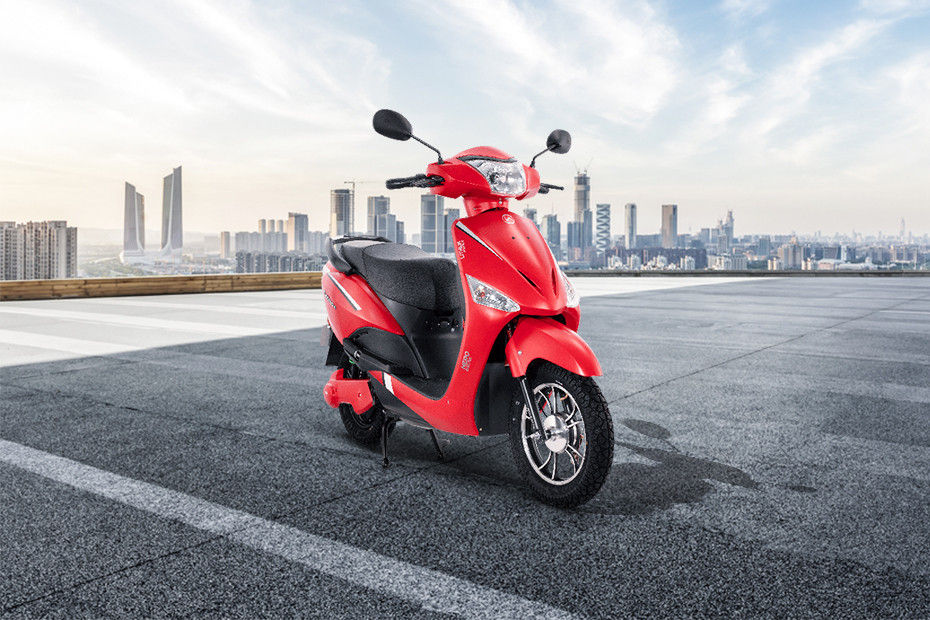
Let me start by saying, I have an electric scooter and it’s one of the coolest things in the world for me. It’s so convenient! Oh and it looks goodddd. Anyway, the numbers speak for themselves when it comes to electric scooters/bikes. In 2020, the industry sold 25,000 units despite the pandemic. In 2021, they had already sold close to 30,000 units in the first 6 months (source: Finshots). This number is expected to easily cross 2,00,000 units this year. While these numbers don’t seem like a lot, they are record-breaking for India. Meanwhile, the sale of ICE two-wheelers has declines over the past few months. The sale of ICE scooters reduced by 37% in July’21, as compared to Oct’21 (source: ET).
Many players have emerged in the market for electric two-wheeler. Some of the notable ones are HeroElectric, Ather, Okinawa, Bajaj Auto, Ampere, TVS Motors and more. The latest in the game is Ola. They have promised to scale production by millions. They announced their factory would be capable of producing two million electric scooters a day. A new scooter every few seconds. They have two models as of now: Ola S1 (₹99,999) and Ola S1 pro (₹1,29,000). They claimed to have sold scooters worth over ₹1,100 crore in just two days. Their scooters sold themselves at a rate of four scooters every second in the first 24 hours (source: Mint)! Delivery for these scooters are expected to start soon.
With such aspirations, increased competition, affordable prices, convenience and positive customer experiences, the electric two-wheeler industry has been evolving swiftly. India has huge potential in the two-wheeler industry. People love two wheelers- motorcycles, scooters and mopeds have been a primary feature on Indian roads. It’s the most economical option in terms of price, suitability and fuel economy. As fuel prices are rapidly rising, targeting the right audience and advertising can be beneficial for the industry. An important aspect for the manufacturers is to educate customers, spread awareness and break myths associated with EV performance so that the demand kicks off a virtuous cycle.
Last mile connectivity and shared mobility
The e-commerce industry was given a major push during the pandemic and they are set to grow in the coming years. In the wake of this, electric vehicles in the last mile delivery within the city would be preferred given the lower total cost of ownership and operating costs for commercial uses. To paint a clearer picture, EV based two-wheelers can be fully charged for just 14 paisa and travel between 60-70kms. On the other hand, petrol-based motorcycles need more than a litre of petrol to travel the same distance (worth over ₹95). Further, they are low-maintenance when compared to ICE vehicles as they have fewer parts and are less complex.
Free deliveries are often used to attract customers and EVs might just be the last piece of this puzzle.
Delhi has made massive advancements in turning last-mile connectivity and shared mobility electric. The metro has had a transformational effect on the city. It has enabled movement across the capital and provided an affordable travel option and those who have to travel long distances for work can avoid the traffic. There have been some hiccups about shared mobility because of the pandemic but as cases have reduced, people are returning. They are also switching to electric buses and rickshaws.
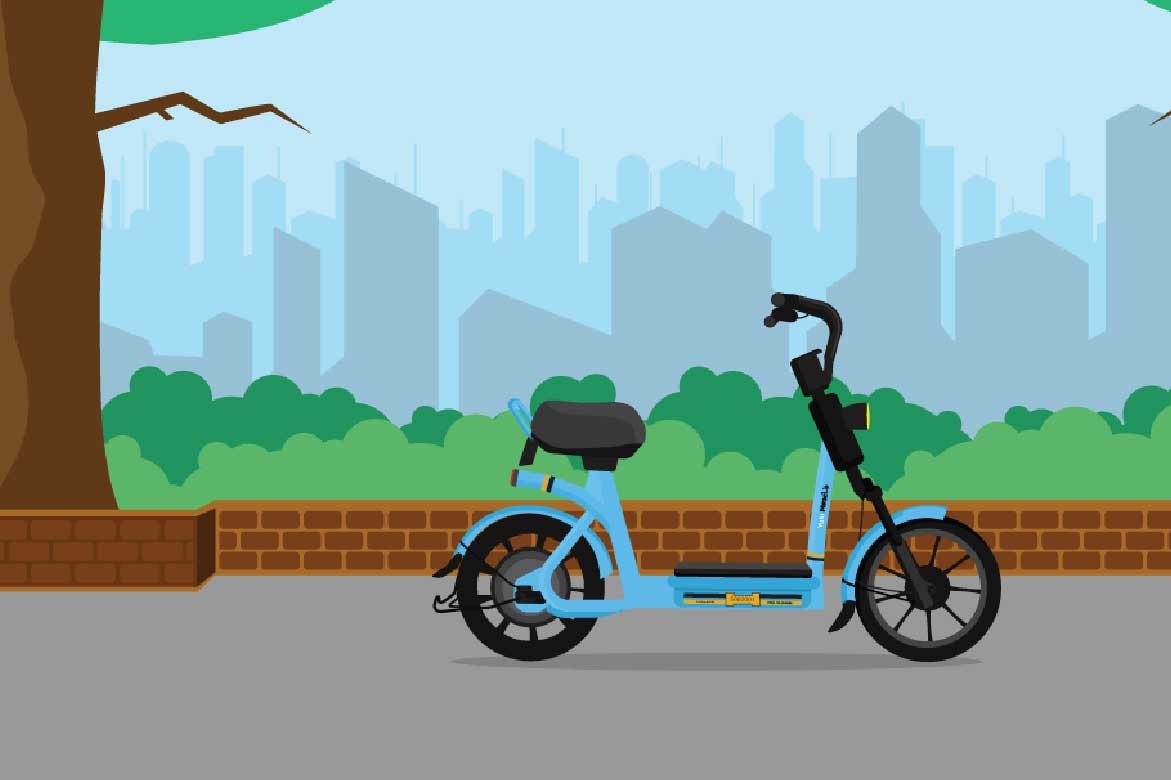
Various services has emerged to improve and electrify last mile connectivity such as Yulu. They provide electric two-wheelers in major cities of India to travel the city. You just have to go to a Yulu zone, download the app, scan the vehicle, enjoy the ride and park it at a Yulu zone to end the ride. Their tie-up with Delhi Metro has made the dream of fully electric travel, a reality.
EVs in the last mile connectivity and shares mobility is a win-win for for customers and the manufacturers. However, electric LCVs need to be made as efficient, if not more, than ICE vehicles.
Cars
All the major automakers, except Maruti, are now dabbling in EVs, and they’re aggressively looking at replacing their fuel versions. EVs have moved beyond the passion project stage. Even Tesla has entered the Indian market. Elon Musk confirmed that Tesla was looking to start operations in India in the coming year. The launch of Tesla cars in India is expected to boost the adoption of electric cars in the country.
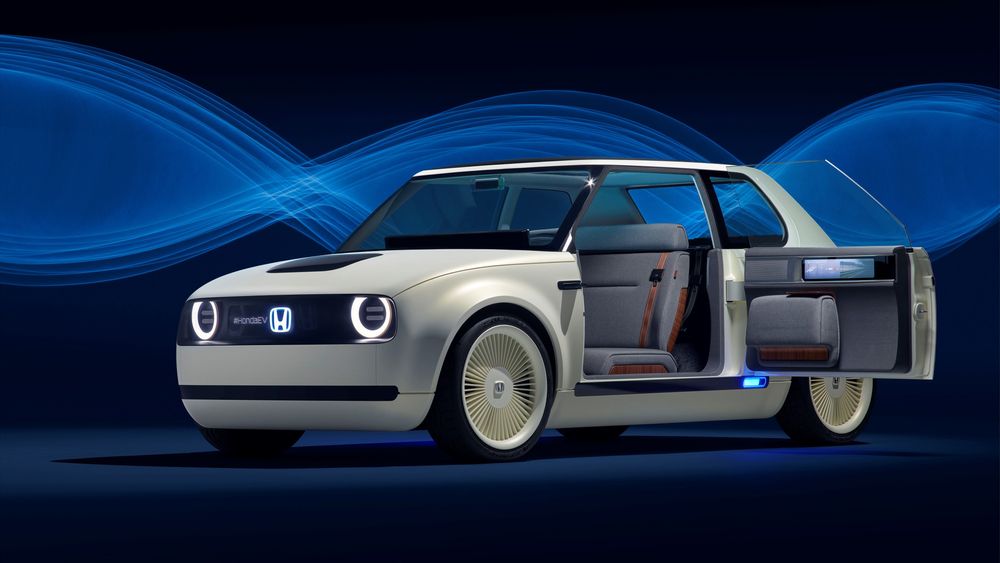
Tata Motors has acquired a 70% market share in the electric four-wheeler segment with their cars Tigor EV and Nexon EV. There are many other electric cars on sale, such as MG ZS and the Hyundai Kona. However they are premium models and demand premium pricing. On Sept 24th, Tata announced that they had sold 10,000 electric cars in total, out of which 1000 units were sold in August’21 itself (this is their best figure ever). Tata Nexon sold a total of 2,529 units in 2020 (source: Financial Express). This indicates an enormous growth but they’re still far from their peak. These cars have addressed one of the biggest doubts people had- range. Hyundai’s Kona can run up to 452km and MG ZS up to 340km when fully charged (source: Lokmat).
EV cars still have a long way to go in India. Unlike two-wheelers, the power required to run a four-wheeler is much greater. And the price remains much higher. Electric two-wheeler vehicles account for nearly 97.5% of all the EVs sold in Fy20. Praveer Sinha, the CEO and MD of Tata Power, articulated the problem perfectly, when he said, “It is not a chicken and egg problem anymore. There is traction in two and three wheelers. Charging stations are coming up. What is missing is electric four wheelers. We need more companies to join the fray and expand the market.”
The future is electric and so far, things seem to be looking up for EV companies. It’s not all rainbows and butterflies. There are still bumps on the road and potholes that need to be filled. A stable supply chain needs to be built to supply the vehicles to masses and for acquiring parts.
When electric cars hit the road, they’ll need charging stations. Governments and companies are working on building a network of charging stations. However, the mere existence of charging stations isn’t enough. There need to be vehicles using these stations. The current utilisation rate is only 1-3%. It should at least be 20% to make it viable (source: ET).

The issues that need to be dealt with is a whole other article. What I meant to say is, there are still problems that need to be overcome but they’re on the right path.
It’s safe to say that the future of EVs in India is positively electric.



 The Echo-nomist
Leave a comment