
2022 has been a rollercoaster year for cryptocurrencies. The year started out on a positive note for crypto after an amazing previous year. In November 2021, Bitcoin and much of the industry reached an all-time high, reaching as high as $69,000. Hoping this sentiment would continue, crypto enthusiasts predicted that the market would continue to rise and Bitcoin would reach a record $100,000 in 2022. All of this remained but a hope…
At the time of writing this story, the price of Bitcoin is merely $16,857. This is far below its all-time high. Clearly, it wasn’t a great year for Bitcoin. No single event can be isolated as the cause for this. It was a crazy year for crypto to say the least. Let’s look at some of the moments that highlighted the crypto world in 2022.
The year started out on a positive note with NFTs hitting their peak. A record $17 billion was traded in January. This was probably fueled by OpenSea’s (an NFT trading platform) crazy valuation and Bored Ape Yacht Club (BAYC). Remember those cartoon Apes that differed in faces, accessories and backgrounds? That’s BAYC. They fueled a lot of the NFT traffic in January.
1) Superbowl or Cryptobowl?
Do people watch the Super Bowl for the match or for the ads and half-time show? It’s tough competition for sure. The 2022 ads were dominated by crypto companies including features from Coinbase, FTX, Crypto.com and eToro. One of these ads was Coinbase’s very memorable QR code. People were quick to term it the “Crypto Bowl” because each of these companies airing a major TV spot.
2) War in the time of Crypto?
The Russia-Ukraine war forced thousands of Ukrainians to vacate their homes, caused shortages across the world and cause large-scale destruction. In such a time of crisis, the world came together to aid those in Ukraine via donations. While various platforms exist for fiat donations, this war also saw the emergence of platforms with crypto-based donations.
In March 2022, the Ukrainian government managed to raise over $68 million in crypto assets. This included donations from major market players- Gavin Wood, the founder of Polkadot, donated $5.8 million; the founder of Ethereum, Vitalik Buterin, made Ether donations worth $5 million; a CryptoPunk NFT worth $200,000 was donated; and FTX gave $25 to each of their Ukrainian users. Ukraine’s official Twitter account, posted Bitcoin and Ethereum wallet addresses for people to donate crypto.
This was an example of how crypto can be used for purposes other than hacking and crime as well. It was helpful because people from around the world openly donated resources in a decentralised way.
3) The Luna Crash
The collapse of Terra was one of the most devastating capital destruction incidents in human history. The scale of destruction was so large, it’s hard to pinpoint the actual amount lost in Terra’s UST depegging. The estimates range from at least $60 billion to as much as $200 billion (source: Coindcx). It was just one of those experiments gone terribly wrong.

Basically, the crypto world was introduced to an algorithmic stablecoin called UST by Terra. It was supposed to maintain a 1:1 peg to the USD. Luna was pegged to the UST and hence indirectly pegged to USD. However, when UST lost its peg to the dollar, people rushed to the market. Within a matter of 24 hours, its market value fell by 20 cents. Eventually, instead of rising back up, it just kept on plunging.
We tried to simplify and break down the Luna crash. You can read this story here.
4) The Merge
The Merge transitioned Ethereum from Proof-Of-Work (PoW) blockchain to a more energy-efficient Proof-of-Stake (PoS) system. This was one of the most monumental technical achievements in the history of crypto. The move eliminated the need for energy-intensive mining and instead enabled the network to be secured using staked ETH.
Prior to the Merge, transactions that were sent over the Ethereum network were verified and added to its blockchain via a PoW system. The system involves crypto miners competing to verify transactions on the network by submitting the solution to a computationally rigorous mathematical puzzle (which is difficult to solve but easy for the rest of the network to check).
Post Merge, Ethereum miners were replaced by stakers, who lock up ETH for the right to validate transactions. Staking achieves the same goal as mining: validating transactions. However, those approving the transactions are forced to behave with integrity by first committing cryptocurrency as collateral and penalising individuals for not being honest. This process is expected to reduce energy usage on the network by 99.5%.

The Merge proved that crypto doesn’t necessarily have to be harmful to the environment. The success of Ethereum’s Merge might compel other projects to do the same. Its successful execution was definitely something to be applauded, especially with the high stakes involved in handling a $200B+ network.
5) Elon Musk Takeover
In October, Elon Musk finally bought Twitter after a long-drawn battle. This isn’t exactly a crypto event but Musk has a history of influencing the buyers in the crypto space ( *ahem* dogecoin and Tesla previously owning nearly $2 billion in Bitcoin!). While he has already made a lot of changes only a few weeks into this new role, none of them involves crypto. Shocking. He, however, has teased the use of crypto on Twitter. His ideas include the integration of Dogecoin with Twitter and encouraging payments in cryptocurrency, rather than fiat money.
When Musk initially took on the role, there was word on the street about accepting payment in dogecoin. The anticipation was so much that the value of the largest meme coin saw its value rise nearly 35% in a matter of 2-3 days during the acquisition!
6) FTX
The crash of FTX was, without a doubt, the biggest crypto event of the year. Maybe the biggest event in crypto’s history. It was the cherry on top of a bad year for crypto…
FTX was one of the world’s largest cryptocurrency exchanges. It provides a platform for customers to trade digital assets for other digital assets or fiat money and vice versa. It was run by trader Sam Bankman Fried and was the world’s third-largest crypto exchange by trading volumes (source: Coindcx). FTX has recently earned a reputation for being reliable and trustworthy and was endorsed by various celebrities. So, what happened?
Things started to go downhill when CoinDesk accidentally leaked a balance sheet of FTX’s sister company, Alameda Research- a hedge fund that was also co-founded by Bankman Fried. The company’s assets seemed to primarily consist of FTT, FTX’s self-issued token that gave users a discount on its platform. Immediately after, Changpeng Zhao, the CEO of Binance, publicly voiced his concerns about FTX’s stability and capacity to back its self-issued coin, FTT. Soon after, Binance dumped its huge share of FTT. As other traders followed suit, the already volatile price of FTT fell from around $26 to merely $1. FTX paused further withdrawals and announced that Binance would acquire it. However, when the deal fell through, no one stepped up to save the platform. Just 9 days after the article was leaked, they filed for bankruptcy.

There were also other factors at play, for example, the CEO committed fraud. Sam Bankman Fried used customer deposits to fund his purchases in real estate, investments in venture deals, political donations, and loans issued to his hedge fund. Eventually, he was arrested in the Bahamas in December.
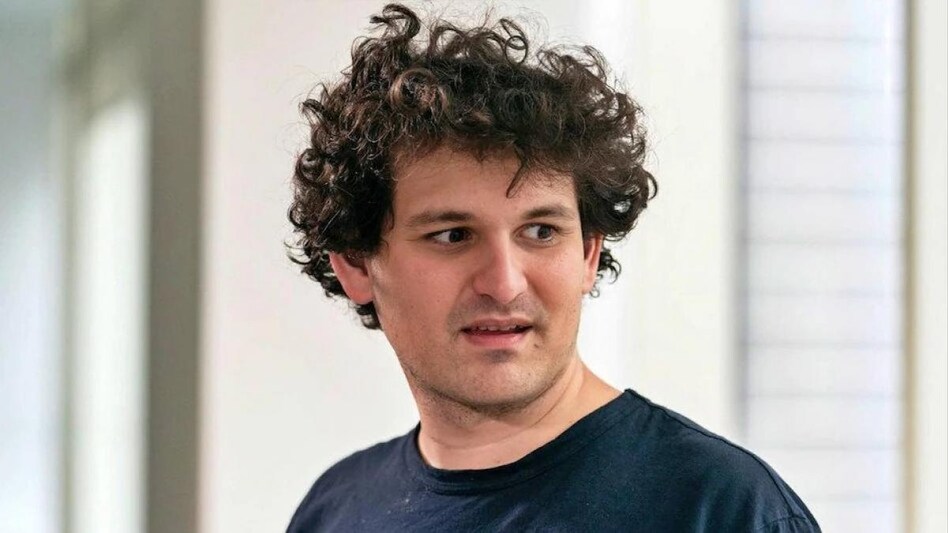
It was definitely a crazy year for crypto! The year was tough on the whole industry, but it provided many lessons for individual investors and institutional players alike. As we move into 2023, the regulatory framework for crypto remains a mystery. You never know what the government’s next step in regulating crypto will be. The confidence that investors have in crypto is constantly being questioned. But at the same time, innovations and progress in the sphere of digital assets continues. Do you think crypto can come back stronger than ever?




 The Echo-nomist
Leave a comment